Last updated November 22, 2026
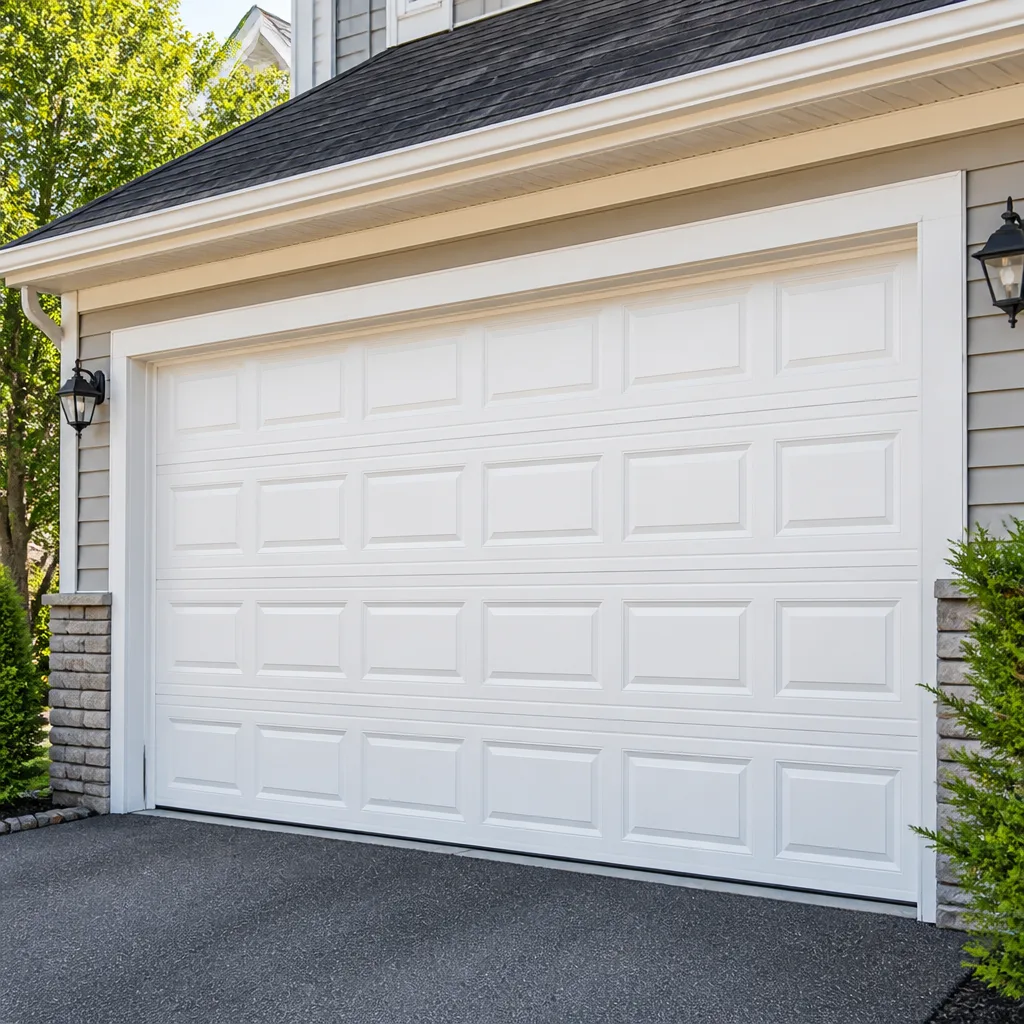 Raised-panel steel
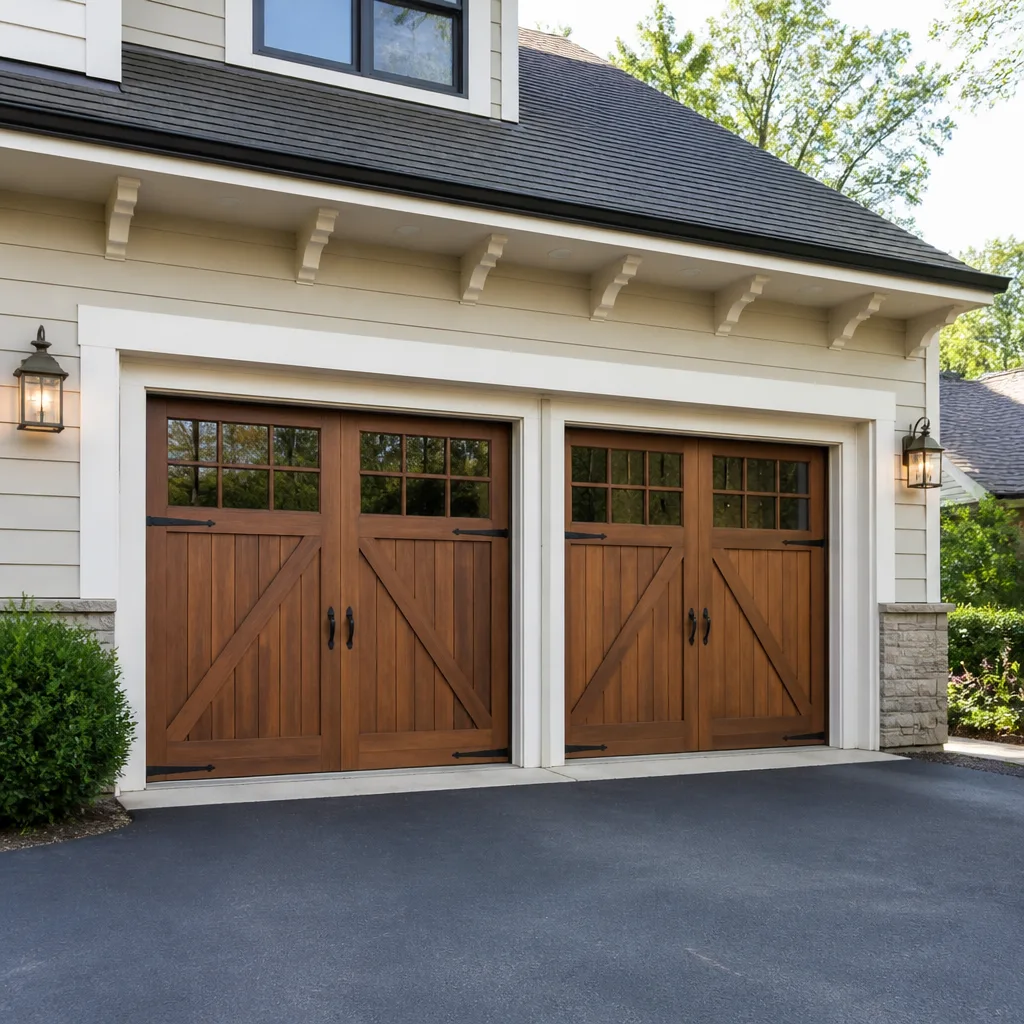 Carriage house
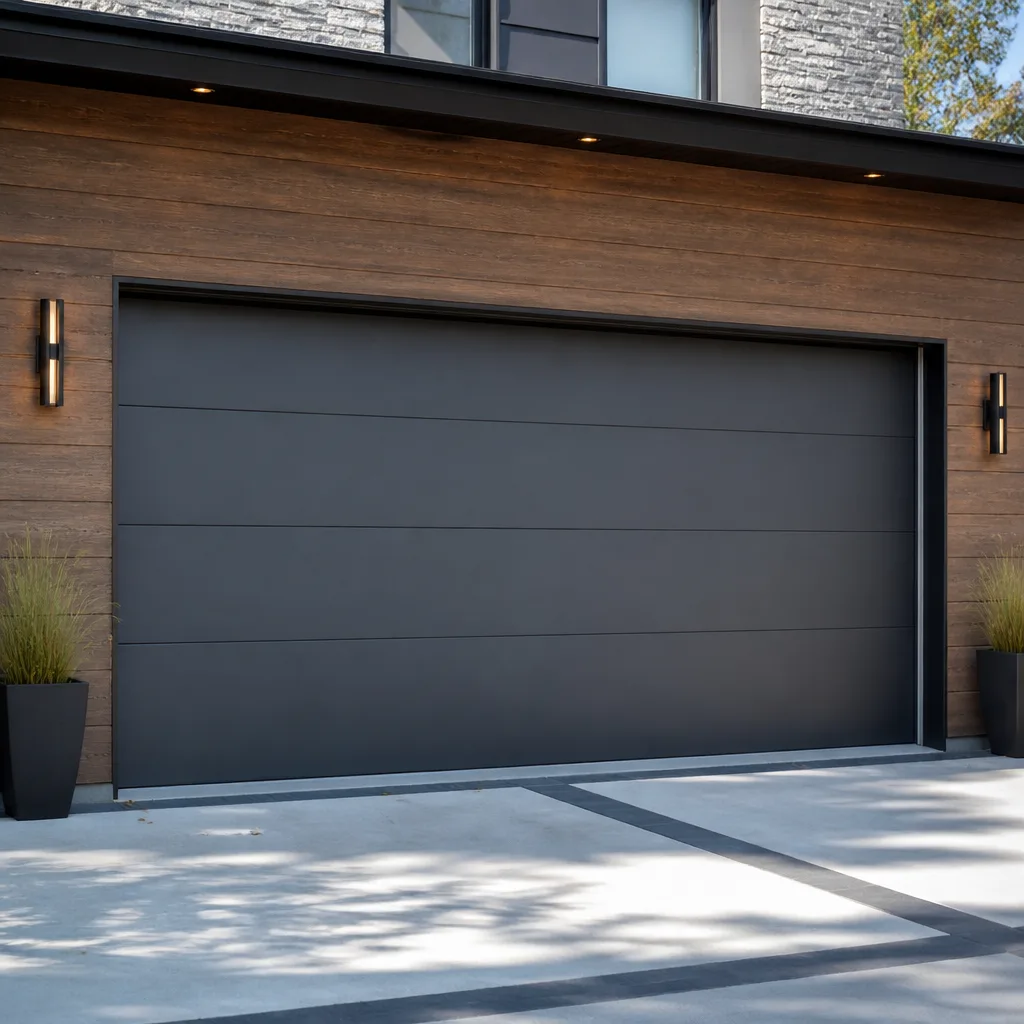 Modern flush
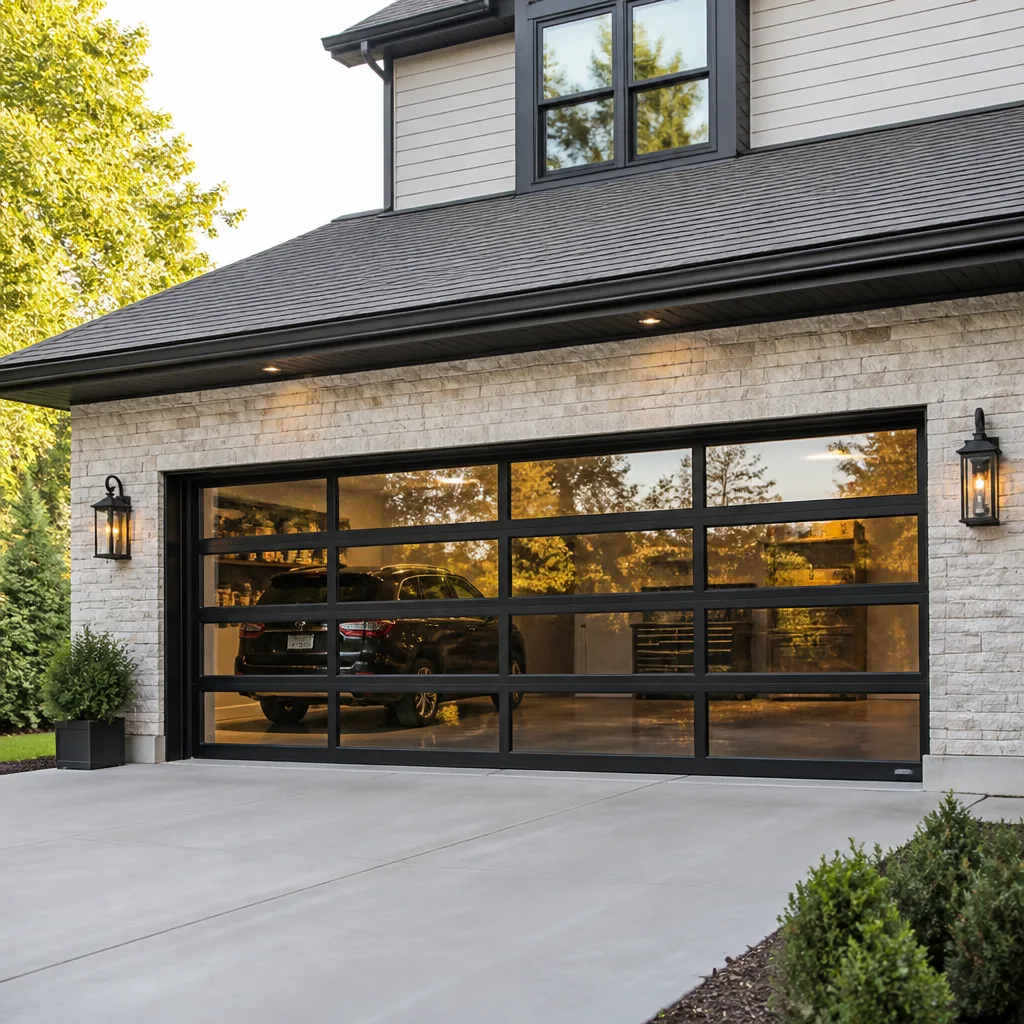 Full-view glass
 LiftMaster openers
 Chamberlain openers
Full 25-point door and opener safety check with every visit - springs, cables, rollers, tracks, and your LiftMaster or Chamberlain opener included
You get a price before we start. It does not change when the pro arrives.
Get your free estimateGarage Door Emergency Preparedness Guide for Plantation Homes
Most garage door emergencies don’t announce themselves. A torsion spring snaps with a sound like a gunshot, the door drops six inches and stops, and suddenly your car is trapped and your house has a wide-open hole in its wind envelope. The counterintuitive part is that the failure itself is usually the calm moment. The panic comes later, when a homeowner yanks the red release cord without knowing what the door will do next, or realizes a certified wind-load rating on the label doesn’t mean the brackets were anchored to code. This guide covers both kinds of emergencies: the mechanical failure at 7 a.m. and the named storm bearing down on Plantation. You’ll learn the manual release sequence done right, how to check your wind-load installation, what to do when the opener loses power, and what your insurance adjuster actually needs after a storm.
Quick Answer
A garage door emergency in Plantation means one of two things: a mechanical failure (broken spring, snapped cable, dead opener) or a storm event where the door must be secured or made to perform. For a failure, don’t force the door, don’t pull the release if a spring is broken, and call a specialist. For a storm, the priority is verifying your wind-load rating is correctly installed and knowing how to disengage the opener manually if the power fails. Preparedness is knowing both sequences before you need them.
Styles & brands we work with
- Raised-panel steel
- Carriage house
- Modern flush
- Full-view glass
- LiftMaster openers
- Chamberlain openers
Table of Contents
- The Two Kinds of Garage Door Emergencies
- The Manual Release Procedure Done Correctly
- Pre-Storm Protocol: Verifying Your Wind-Load Rating Is Actually Installed
- When the Power Is Out and Your Opener Has No Battery Backup
- Getting Priority Response: What to Tell a Repair Technician
- Post-Storm Damage Documentation for Insurance
- Building a Garage Door Emergency Kit
- Why Brand Matters in an Emergency
The Two Kinds of Garage Door Emergencies
When a Plantation homeowner calls us in a panic, the first question we ask isn’t “what’s wrong with the door?” It’s “was there a storm?” The answer changes everything about how we respond. Mechanical failures and storm events need completely different preparation, and most emergency guides only cover one.
A mechanical emergency is a component failure: a torsion spring breaks, a lift cable frays and snaps, an opener motor burns out, a roller jumps its track. These happen with no warning and no weather involved. South Florida’s humidity works on metal hardware year-round, and a door that cycled fine yesterday can fail without a single symptom. Mechanical emergencies need one thing: a technician who can safely stabilize the door and diagnose the exact failure. Springs and cables are under extreme tension, and this is not a job for anyone without training.
A storm emergency is different in kind. Broward County enforces wind-load requirements for garage doors in new construction and major renovations, and a garage door is the largest opening in a home’s wind envelope. During a named storm, an improperly secured or under-rated door can fail and let pressure into the structure. Plantation neighborhoods like Jacaranda, Plantation Acres, and Central Park sit in the same wind zone, and every home has the same exposure through that one bay.
So preparedness splits in two. Learn the mechanical release sequence and know when not to use it. Verify your wind-load installation and know what to check before a storm. We cover both below, in order.
The Manual Release Procedure Done Correctly
Here’s the step nearly every video tutorial skips: if you suspect a broken spring, do not pull the manual release. A garage door’s spring is a counterbalance. It holds the weight of the door so a person can lift it by hand. If that spring is broken, the entire weight of the door (often a couple hundred pounds) is resting on the opener, the cables, or nothing at all. Pull the release cord and the door can free-fall with no spring to slow it. This is how people get seriously hurt.
The correct sequence depends on whether the spring is intact. Follow these steps:
- Look before you touch. Before you pull anything, inspect the torsion bar (the horizontal shaft above the door) and the spring coils. A visibly separated, gapped, or dangling coil means the spring is broken. Stop here.
- If the spring is broken: do not pull the release cord. Do not try to lift the door by hand to check it. Do not run the opener. Call a garage door specialist and keep people and vehicles clear of the door.
- If the spring is intact and the opener is the problem: make sure the door is fully closed. Then pull the release cord straight down, which disengages the trolley from the opener carriage. Lift the door slowly by hand to test that it moves freely and holds its position partway up. A properly balanced door stays where you leave it.
- To re-engage: close the door fully, then pull the release cord toward the opener (in the direction of travel) to reconnect the trolley, or follow the specific re-engage instruction for your opener brand. Run the opener once and confirm the carriage catches the trolley.
- Test before trusting it. Cycle the door with the opener and confirm the safety reverse works. If anything feels off, stop using it.
We’ve seen more injuries from a panicked release than from the spring failure itself. When in doubt, treat the door as dangerous and call us at (866) 937-8852.
Pre-Storm Protocol: Verifying Your Wind-Load Rating Is Actually Installed
A wind-load rating on a door’s label is a claim about the door. What matters during a storm is whether your door’s installation matches that rating. The label can say the panel is rated to a certain wind speed, but if the track anchors are short, the hinges weren’t upgraded, or the brackets went into wood rather than through to structural framing, the door won’t perform as rated. This is the gap most homeowners never check until a storm is two days out.
Before storm season, walk through these checks:
- Confirm the label matches the opening. Your door should have a wind-load or impact rating label that corresponds to your home’s required design pressure. If you can’t find a label, that’s your first question for the manufacturer or your builder.
- Look at the anchor pattern. Wind-rated installations use a specific number and type of fasteners per bracket, and the anchors go into the structural framing behind the jamb. A quick visual check can reveal whether only a couple of screws hold each bracket or a full pattern is used.
- Check for added reinforcement. Wind-rated doors often use heavier-gauge hinges, stiles, and a center reinforcement strut. If your door is rated but the hardware looks like standard-duty hardware, ask a specialist to verify.
- Test the balance and the safety reverse. A door that binds or bounces is at higher risk of failing under wind load. Have it adjusted before the season.
- Know your opener’s status. If your area loses power mid-storm, you’ll be operating the door by hand. A well-balanced, wind-rated door is far easier to control.
Our technicians know how this hardware looks when it’s installed correctly versus when a rating exists on paper only. A pre-storm inspection is cheap insurance against the alternative.
When the Power Is Out and Your Opener Has No Battery Backup
The manual disengage is the same idea across brands, but the gesture and the release location differ. Here’s how the sequence works for the five most common opener families a Plantation homeowner is likely to have:
- LiftMaster and Chamberlain: the release handle hangs from a red or yellow cord. Pull it straight down and toward the door to disengage. These are the same family under the hood, so the procedure is identical. If it’s a smart unit, check whether it has a battery backup before the storm.
- Genie: the manual release is typically a red T-handle or a cord near the rail. Pull down firmly and toward the opener to release the carriage. Genie’s Aladdin Connect models may include a battery backup option.
- Craftsman: the release cord is usually on the trolley near the door. Pull down and back to disengage. Many older Craftsman units have no battery backup, so plan for manual operation.
- Raynor: the release mechanism is generally a cord with a handle on the trolley assembly. Pull down and toward the door to release. Raynor openers often support a backup accessory, so check your model.
- Wayne Dalton: the release cord position depends on the opener. In most installations the handle is near the door track. Pull down and toward the opener to disengage.
To re-engage after the power returns: close the door completely, pull the cord in the direction of travel to reconnect the trolley, then run the opener once. If the door won’t catch, stop and call. Forcing it can bend the trolley or strip the carriage.
If your opener is a LiftMaster or Chamberlain with MyQ, or a Genie Aladdin model, a battery backup keeps the door operational through an outage. If it doesn’t and you’ve been thinking about one, our garage door opener repair team can walk you through what’s available for your model.
Getting Priority Response: What to Tell a Repair Technician
The single biggest factor in how fast a garage door problem gets resolved isn’t the company’s schedule. It’s the quality of the information you give when you call. A vague call (“my garage door is broken”) goes into a general queue. A call that gives the right details lets the technician assess urgency immediately and route the right person with the right parts.
Before you dial, gather this:
- The exact symptom. “The door went up six inches and stopped with a bang” is different from “the opener hums but nothing moves” and different again from “the door is crooked and off the track.” Each points to a specific failure.
- Whether the door is stuck open or closed. A door stuck open is a security emergency. Say so.
- The door make and model, if you know it. A Clopay, Amarr, or Wayne Dalton panel door with a specific opener has specific hardware. If you can read the brand off the door or the opener housing, share it.
- Whether you’ve already tried the manual release. Tell the technician if the door is disengaged, and whether it’s currently secure.
- Whether anything is trapped. A vehicle inside, an animal, a child – say it first.
- Your address and whether the door is accessible. A car blocking the bay changes the approach.
That’s the difference between a fast callback with a plan and a long wait. Plantation Garage Door Repair Pros offers emergency garage door service, and the more precise your description, the better we can prioritize the visit. Call (866) 937-8852 and lead with the symptom and the door’s position.
Post-Storm Damage Documentation for Insurance
Insurance adjusters handle thousands of storm claims after a named storm. The ones that sail through have complete documentation; the ones that stall get a re-inspection scheduled weeks out. What adjusters actually need from a garage door claim is specific, and you can capture most of it with a phone camera.
Document this before you clean anything up:
- Wide shots of the whole opening. Photograph the full door from outside and from inside the garage, with the door in its current state. Include the surrounding wall so the adjuster can see how the door sat in the opening.
- Close-ups of damage points. Every bent panel, dented section, separated hinge, and pulled anchor gets its own photo. Include a ruler or a common object for scale.
- The wind-load label. Photograph the rating label on the door or panel. This is often the detail that confirms the door met requirements and supports the damage claim.
- Measurements. Note the door’s width and height, and the height of the opening. Adjusters need this to price replacement or repair.
- The opener and track. Photograph the opener make and model and the track alignment. Storm damage often includes opener strain from the door being forced.
- A written timeline. Note the date and time of the storm and when you observed the damage. Don’t guess at a number.
- Your policy and claim number. Have it ready when you call.
We can work with your insurer on documentation and repair scoping. Get the photos first, then call us at (866) 937-8852 to assess what’s repairable versus what’s a replacement.
Building a Garage Door Emergency Kit
A little preparation goes a long way when the power is out and the storm is coming. Keep these in the garage, in a place you can reach without opening the overhead door:
- A flashlight and spare batteries. When the opener loses power, the garage goes dark. You’ll need light to find the release cord and inspect the spring.
- Work gloves. Springs, cables, and track edges are sharp. Never handle them bare-handed.
- A step stool. Many release cords are high on the trolley assembly. Don’t climb on a car.
- The opener manual. Print the re-engage instructions for your specific model and keep them in a zip bag. This is where brand-specific detail matters.
- A weather radio. When cell service is congested during a storm, a weather radio keeps you informed.
- Your garage door’s paperwork. The installation spec sheet, the wind-load label photo, and your opener model number. Keep a digital copy in your phone gallery.
- Our number. (866) 937-8852, saved in your contacts as “Garage Door.”
None of this costs much, and all of it saves time when the door is stuck and you’re not thinking clearly.
Why Brand Matters in an Emergency
Here’s a practical reality that most emergency guides skip: in a real emergency, the fastest path to a fix is a technician who already knows your hardware. A Clopay panel door uses different hinge and strut specs than an Amarr. A Genie opener’s trolley and release mechanism differ from a LiftMaster’s. When you call a specialist who works across all the major brands, you skip the diagnostic detour.
We work with equipment from LiftMaster, Chamberlain, Genie, Clopay, Amarr, Wayne Dalton, Craftsman, and Raynor. That breadth matters in two ways. First, we diagnose what you already have instead of recommending a replacement because we only know one product line. Second, we know the specific release and re-engage sequences for each, which is the exact information you need when the power is out or the door is disengaged.
If you’re considering an upgrade or a new door, the brand-agnostic approach is just as useful. A garage door installation recommendation should fit your opening, your wind-load requirement, and your opener ecosystem, not a single manufacturer’s catalog. For a door that needs a repair, the same principle applies: we fix what’s there. Our garage door repair team handles hardware, springs, and tracks, and we can assess whether a repair or a replacement is the right call.
Common Mistakes to Avoid
- Pulling the manual release with a broken spring. This is the number one way homeowners get hurt. A broken spring means the door is un-counterbalanced, and the release lets it drop. Inspect first, then release.
- Assuming the wind-load label means it’s installed to spec. The label is a claim about the door, not the anchors. Check the fasteners and the framing before storm season, not during it.
- Forcing the door by hand when it’s off the track. Lifting a crooked door can bend a panel, warp a track, or drop the door on you. Leave it and call.
- Trying to lift a door with a snapped cable. A cable failure on one side means the door is twisting. Lifting it can cause the other side to snap.
- Waiting until the storm is two days out to ask for an inspection. Wind-load checks, balance tests, and opener backup installs should happen before the season, not the day before a named storm.
- Taking storm damage photos after the cleanup. Once panels are removed or a broken door is set aside, the adjuster’s job gets harder. Document first.
- Running the opener when it’s already humming or stalling. A straining opener usually means the door is binding. Keep running it and you’ll burn out the motor and possibly the door.
See the difference
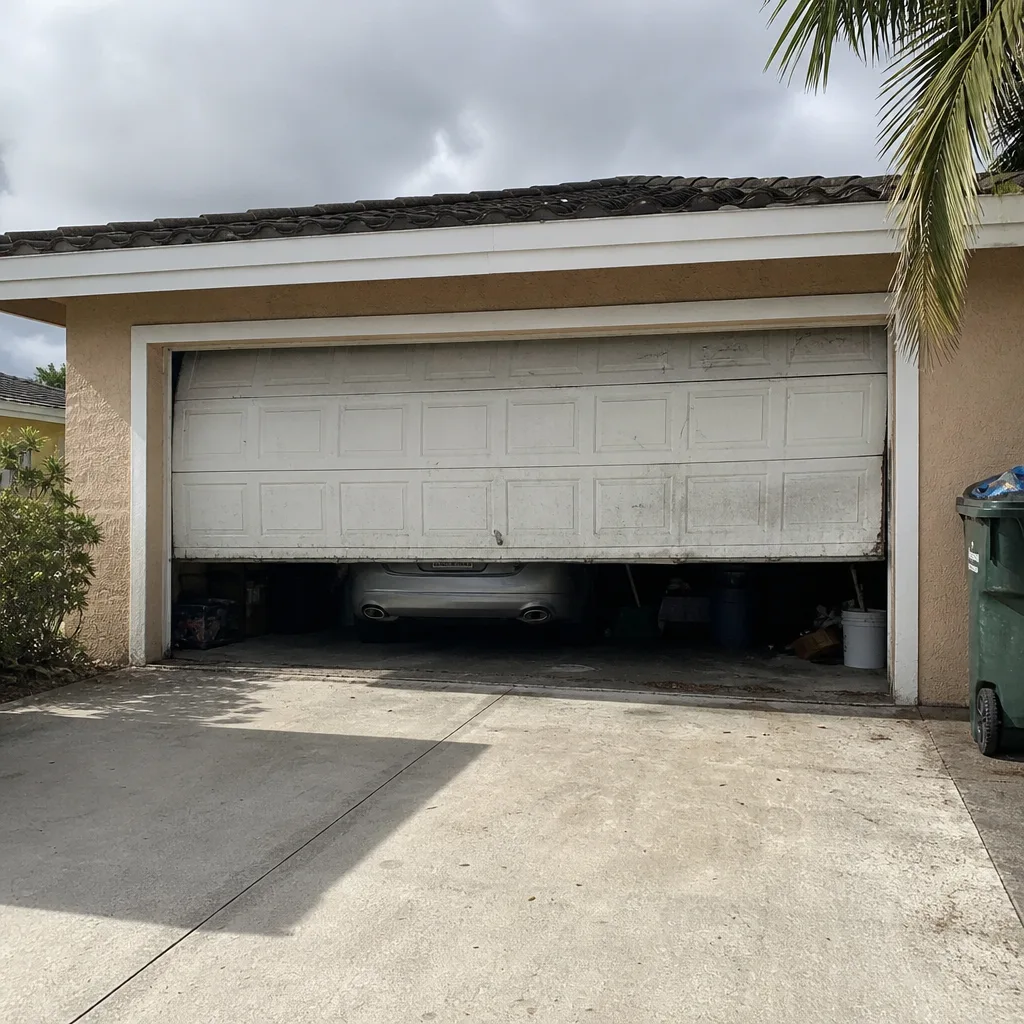 Before
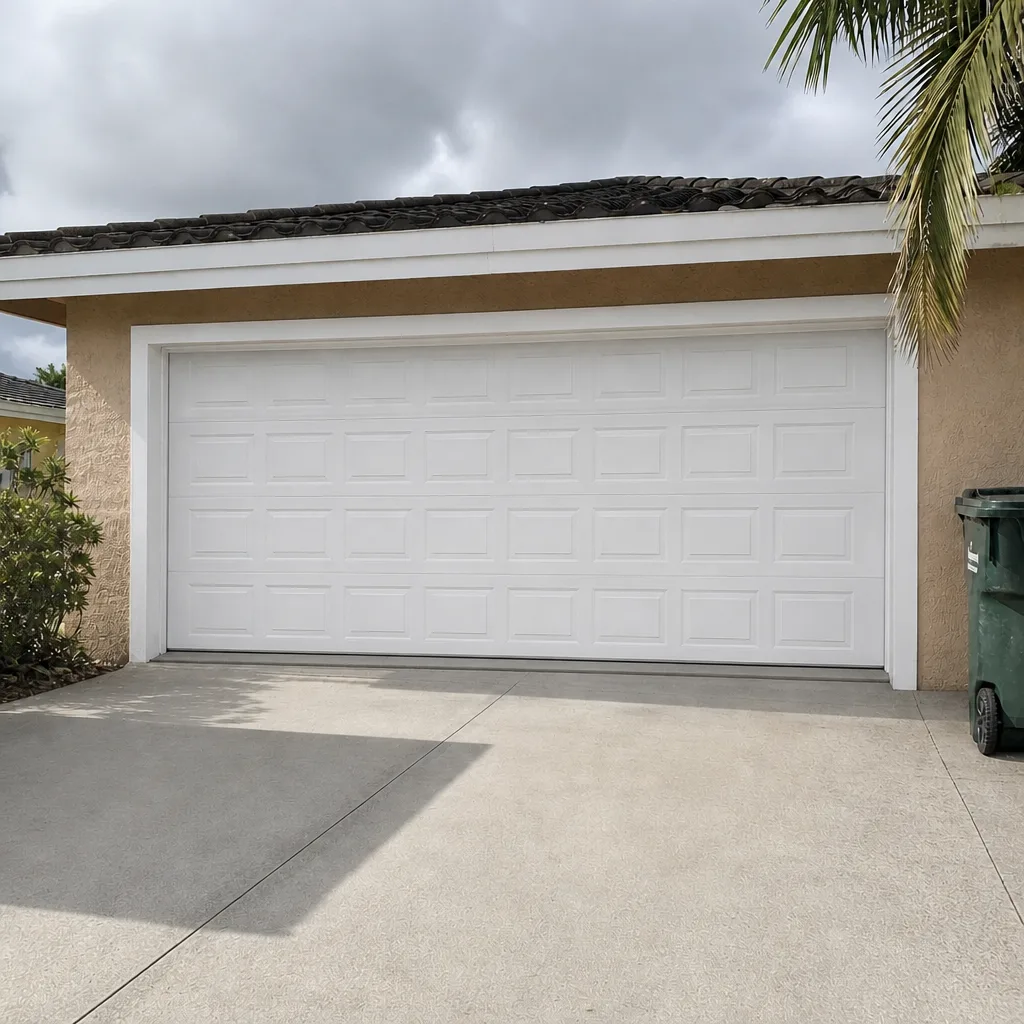 After
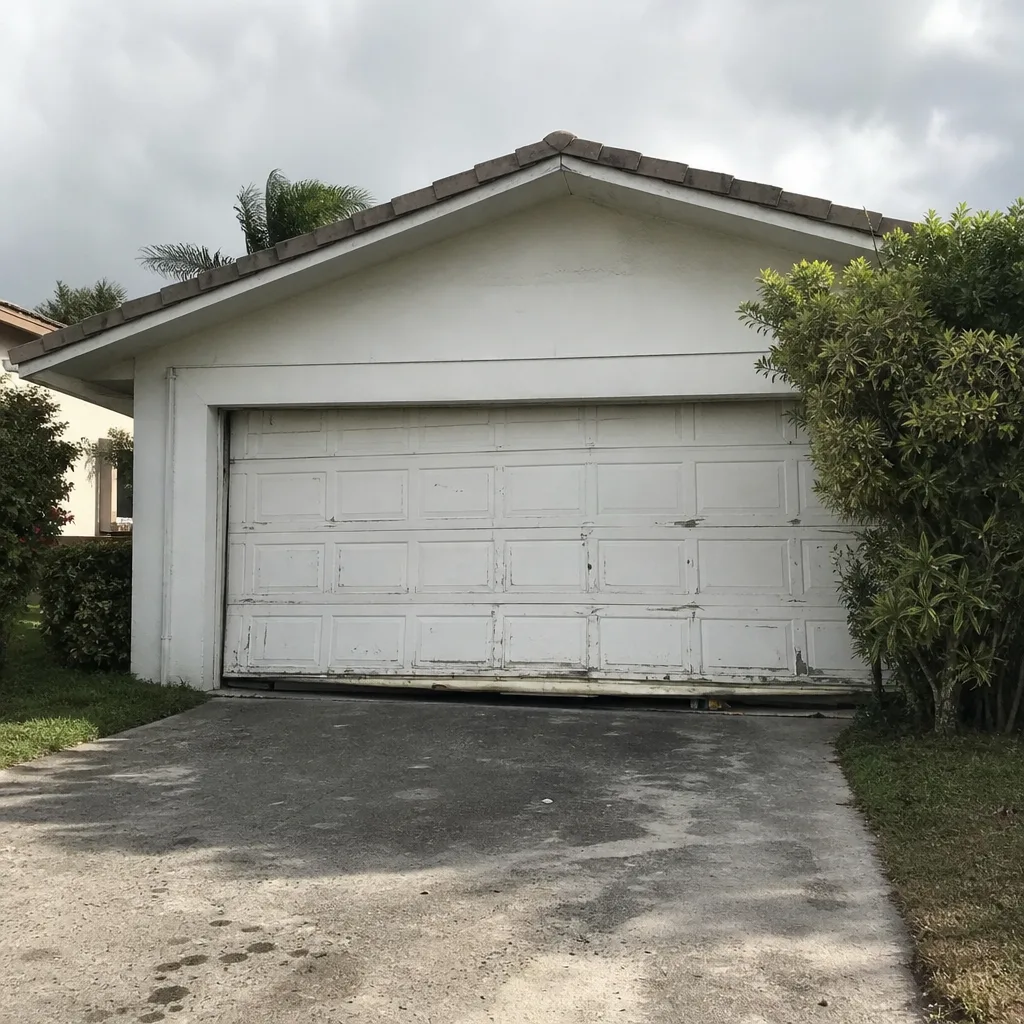 Before
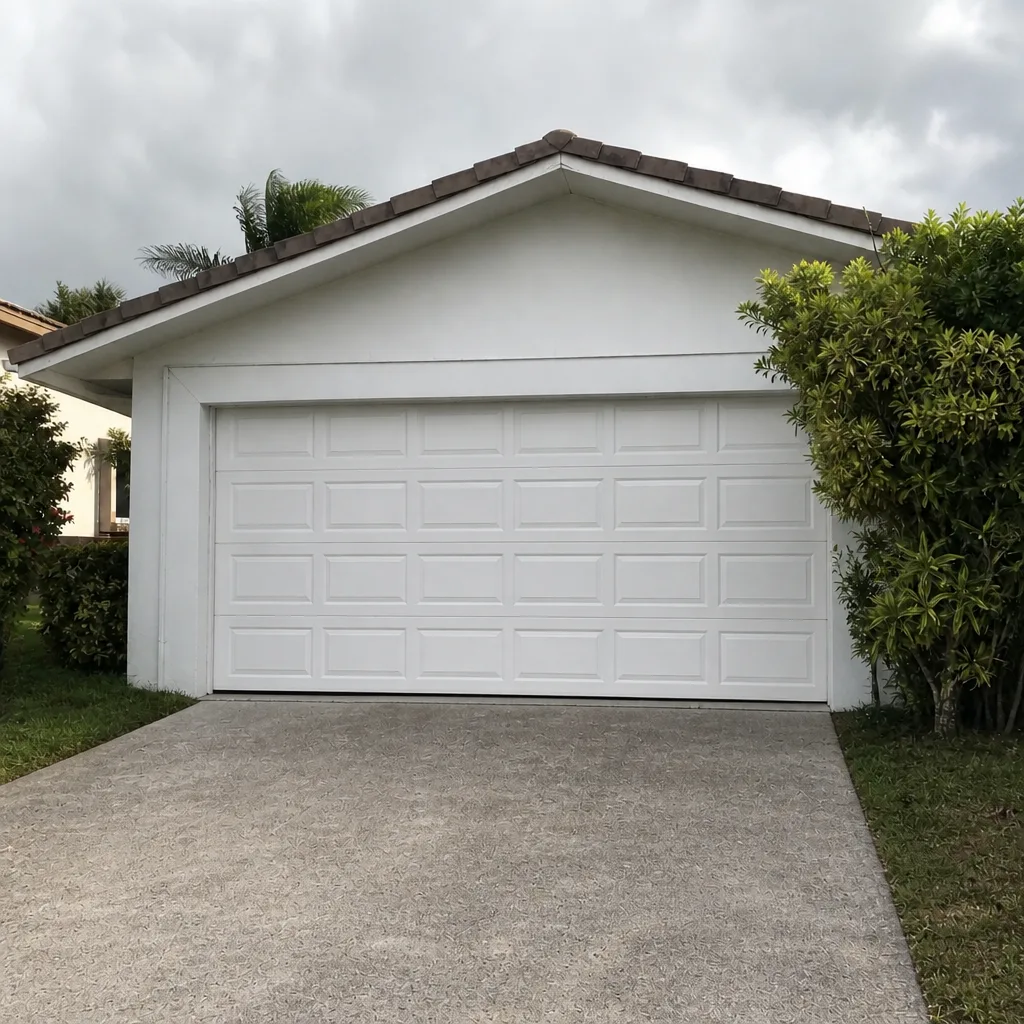 After
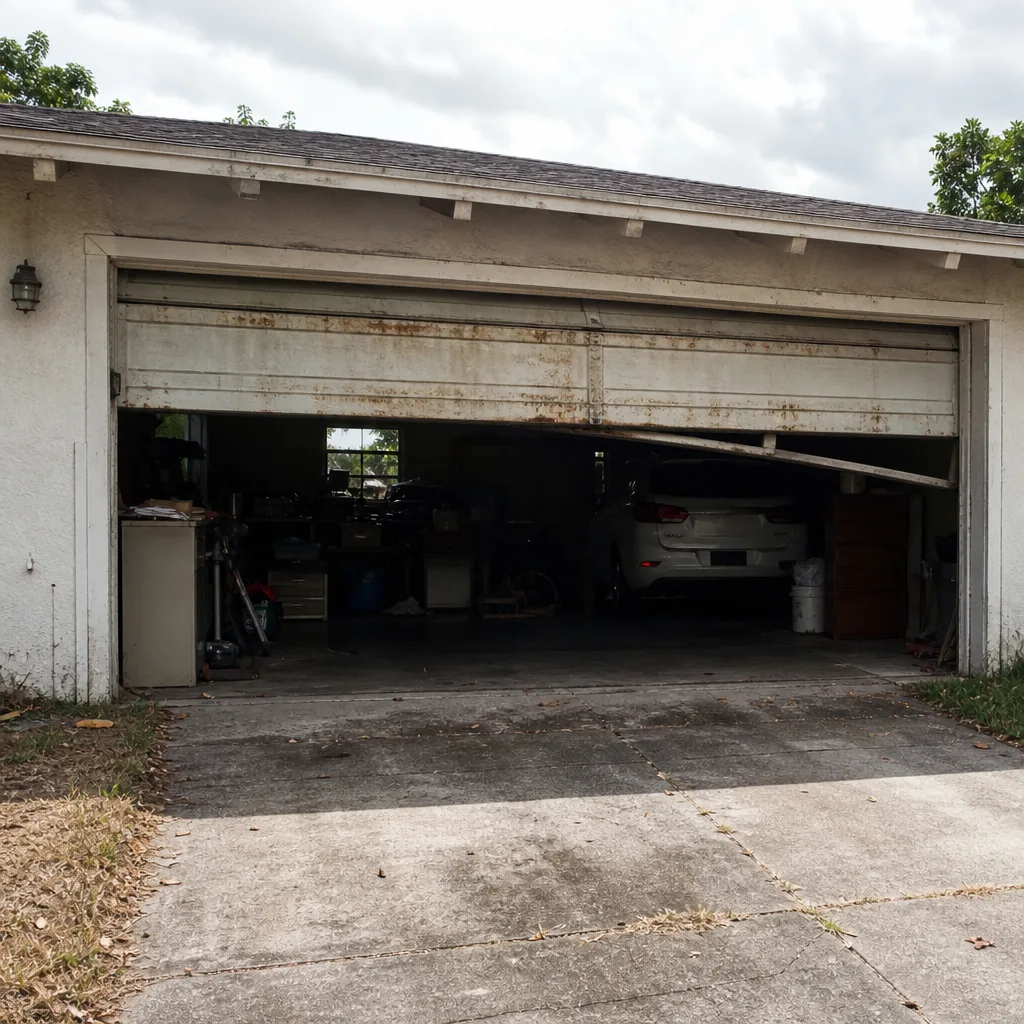 Before
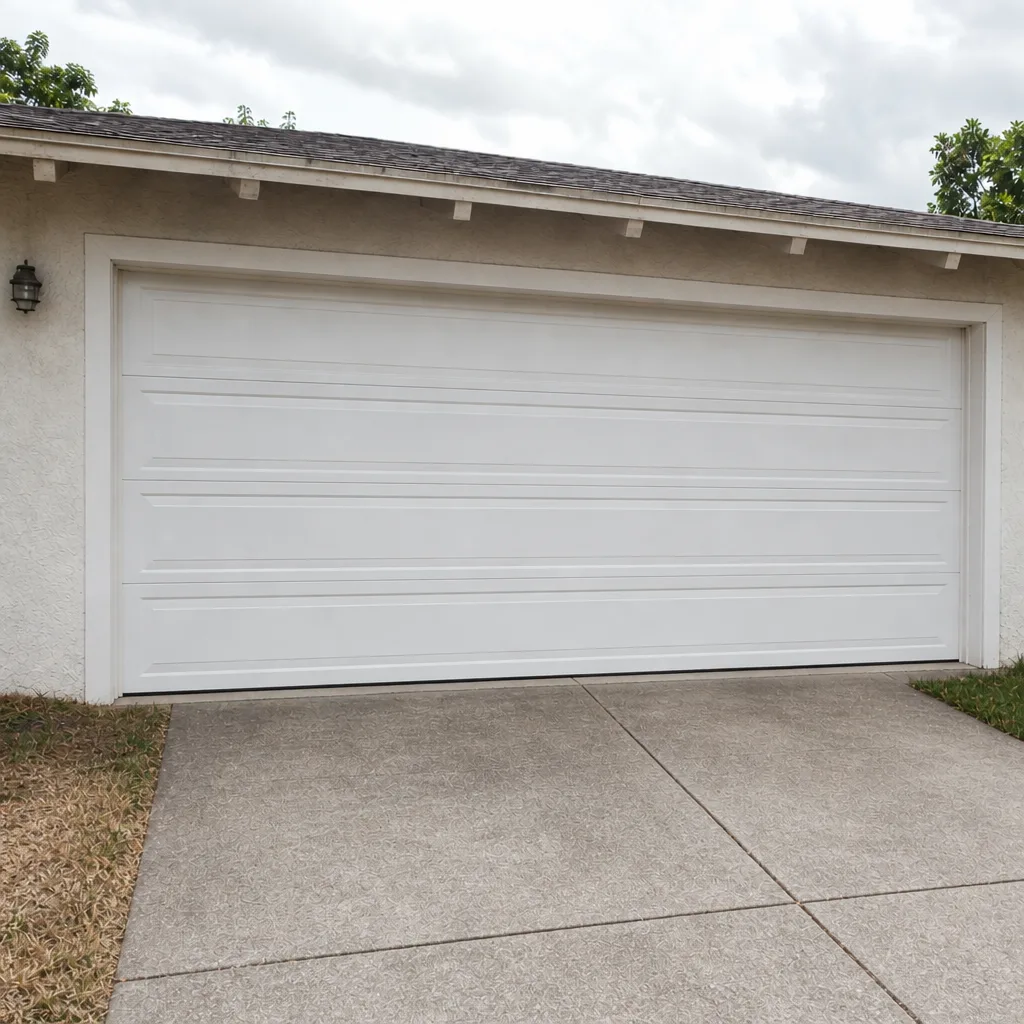 After
When to Call a Professional
Call a specialist for any spring or cable failure, because those components are under extreme tension and can injure you. Call if the door is off its track, crooked, or stuck open. Call if the opener hums without moving the door, if the safety reverse fails, or if the door won’t stay up when you lift it by hand. Call if you can’t verify your wind-load installation before a storm. And call after a storm if the door is bent, the track is misaligned, or the opener is straining. Plantation Garage Door Repair Pros offers free estimates in Plantation – call (866) 937-8852. Our technicians have up to 9 years of experience and can diagnose the problem and tell you exactly what’s needed.
Frequently Asked Questions
Check whether the opener is powered and whether the safety reverse is tripped before anything else. If the opener hums but the door doesn’t move, or if you hear a bang, stop and call a specialist. If you suspect a broken spring, don’t pull the manual release. Call (866) 937-8852 for an assessment.
No. If the spring is broken, the door is un-counterbalanced and pulling the release can let it free-fall. Inspect the torsion spring first; if a coil is separated or dangling, do not pull the release. Call a specialist. The release procedure is only safe when the spring is intact and the door is closed.
Check the rating label on the door, then look at the anchor pattern on the brackets and whether the fasteners go into structural framing. Wind-rated doors use heavier hinges and a specific fastener count. If you can’t confirm the installation, have a specialist inspect before storm season. Call (866) 937-8852 to schedule.
Use the manual release to disengage the trolley from the opener, then lift the door by hand if the spring is intact. The release gesture differs by brand: LiftMaster, Chamberlain, Genie, Craftsman, Raynor, and Wayne Dalton all use a cord or T-handle near the trolley, pulled down and toward the door. Re-engage by closing the door fully, pulling the cord in the direction of travel, and running the opener once.
Give the exact symptom, whether the door is stuck open or closed, the door and opener brand, whether you’ve already tried the manual release, and whether anything is trapped. That information lets us route the right technician with the right parts and prioritize the visit. Call (866) 937-8852 with those details ready.
They need wide shots of the full opening inside and out, close-ups of every damage point with scale, a photo of the wind-load label, the door’s width and height measurements, and the opener make and model. Also note the date and time of the storm. Document before cleanup and keep the photos with your claim number.
The Bottom Line
Garage door preparedness in Plantation comes down to two sequences. For a mechanical failure: inspect before you release, never pull the cord with a broken spring, and call a specialist for springs, cables, and track damage. For a storm: verify that your wind-load rating is actually anchored to spec, know your opener’s manual disengage, and photograph everything before the cleanup. Keep a kit, know your brand, and give the technician precise information when you call. Those habits separate a quick fix from a long wait. When you’re ready for a free estimate or an inspection, call Plantation Garage Door Repair Pros at (866) 937-8852. Our technicians have up to 9 years of experience, and we work on what you already have – whether that’s a LiftMaster opener, a Wayne Dalton panel, or anything in between. Visit Plantation Garage Door Repair Pros for the full range of what we handle.
Written by the team at Plantation Garage Door Repair Pros.