Last updated November 22, 2026
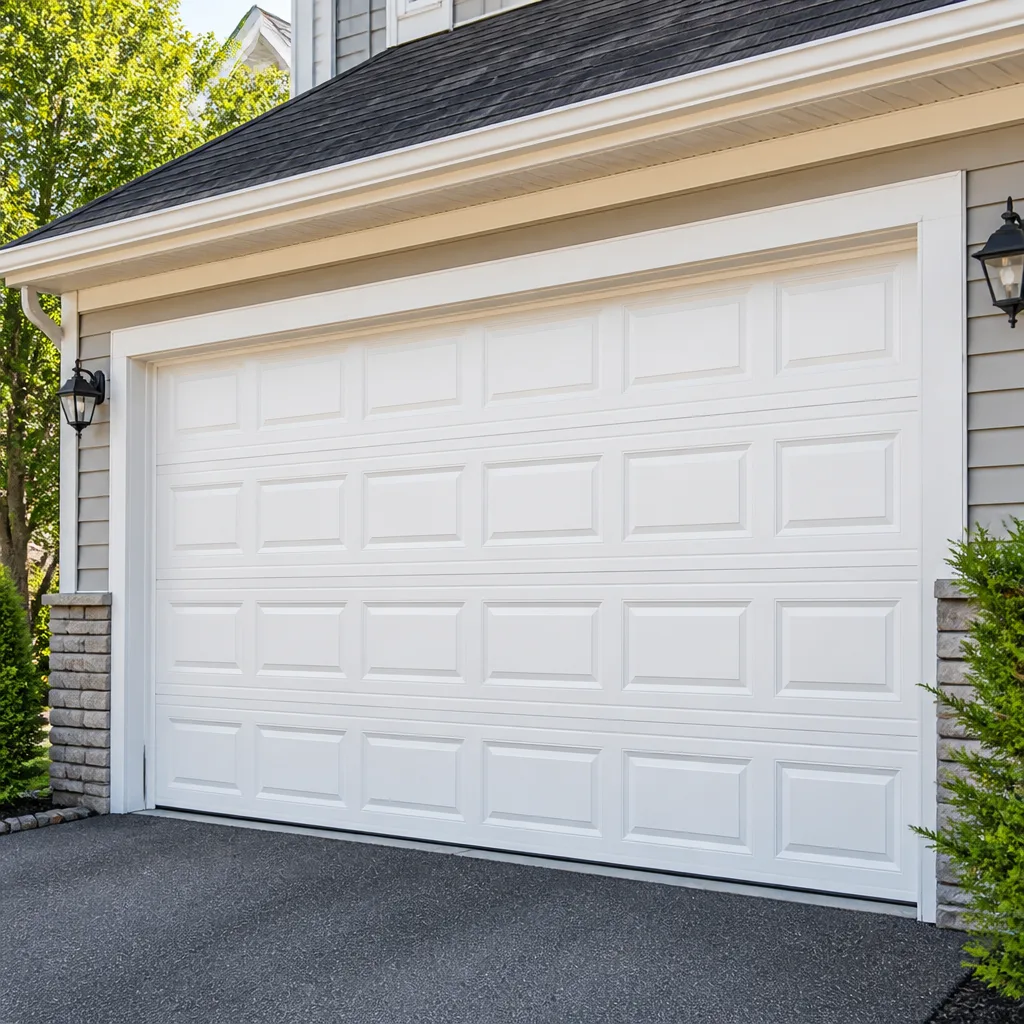 Raised-panel steel
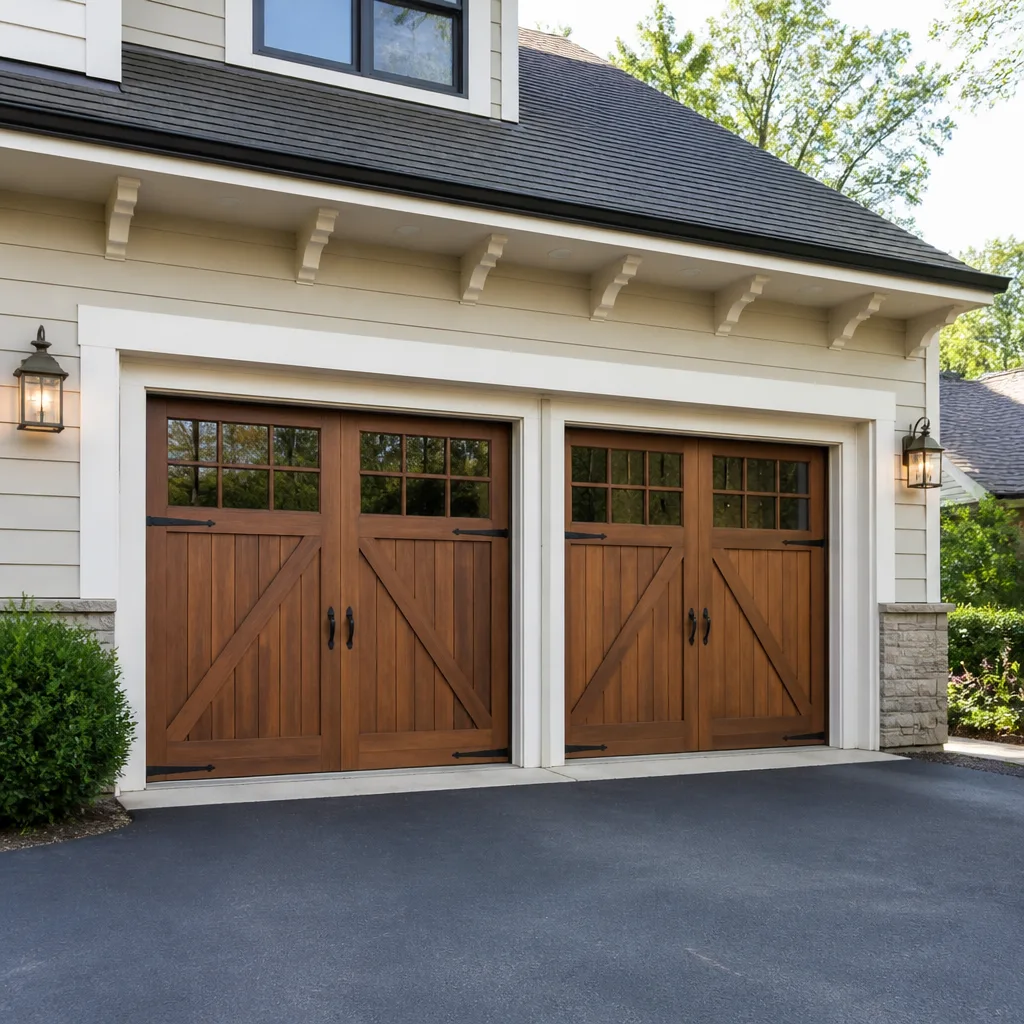 Carriage house
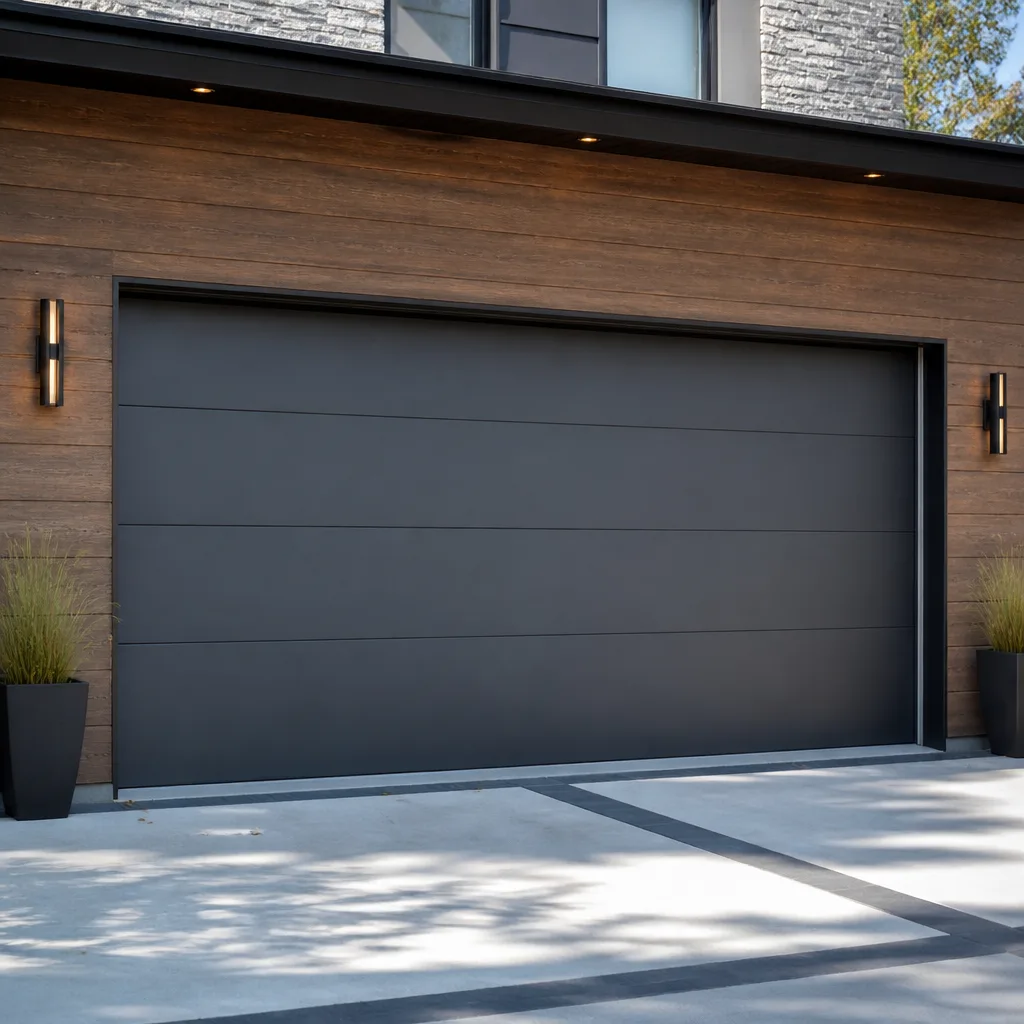 Modern flush
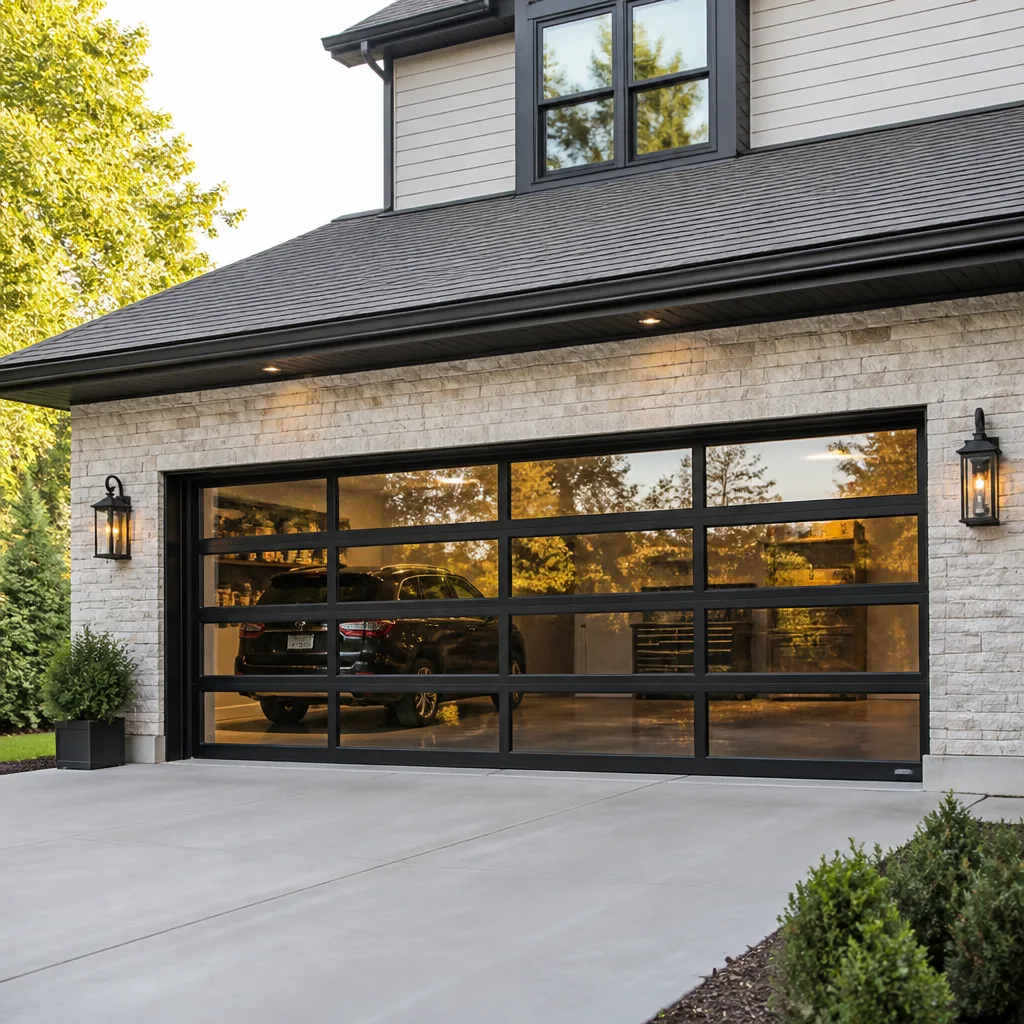 Full-view glass
 LiftMaster openers
 Chamberlain openers
Full 25-point door and opener safety check with every visit - springs, cables, rollers, tracks, and your LiftMaster or Chamberlain opener included
You get a price before we start. It does not change when the pro arrives.
Get your free estimateGarage Door Permits, Codes & Inspections in Plantation, FL: What You Need to Know
Most homeowners assume a garage door swap is the same as replacing a light fixture: buy the door, hang the door, done. In Plantation, that assumption is where trouble starts. A garage door is a structural opening on an exterior wall, and in South Florida it sits on the wind-load path of the whole house. That’s why the work is regulated, why a permit may be required, and why the paper trail matters years after the door is up. In this guide we’ll walk through when a permit is required in Plantation, what the inspection actually checks, how product approval numbers have to line up with the application, and how to untangle unpermitted work before it slows down a sale.
Quick Answer
In Plantation, a like-for-like garage door replacement using an identical door model with a current Florida product approval can sometimes be handled without a new permit, but any change in door size, weight, model, material, or wind-load rating generally requires a permit through Broward County and an inspection before the job is closed out. Unpermitted door work can show up later on insurance and resale inspections, so it’s worth confirming the requirement with the city’s building department before the door is ordered, not after.
Styles & brands we work with
- Raised-panel steel
- Carriage house
- Modern flush
- Full-view glass
- LiftMaster openers
- Chamberlain openers
Table of Contents
- When a Garage Door Replacement Needs a Permit in Plantation
- What the Florida Building Code Wind-Load Inspection Actually Checks
- Product Approval Numbers and Why They Have to Match the Permit
- Pulling a Permit Through Broward County: Timeline, Cost, and Who Should Manage It
- Unpermitted Work on a 4-Point Inspection and How to Resolve It
- Springs, Cables, and Why This Isn’t a Homeowner Job
- How to Choose an Installer Who Handles the Paperwork Correctly
When a Garage Door Replacement Needs a Permit in Plantation
A garage door replacement in Plantation is treated differently depending on whether the new door is a true like-for-like swap or whether anything about the door changes. A like-for-like swap means the exact same door model, same dimensions, same wind-load rating, same product approval number, same anchoring system, on the same opening. When all of those line up, some jurisdictions allow the swap without a new permit. In our experience, most real-world jobs don’t perfectly line up. A discontinued model gets replaced by a newer one. A homeowner upgrades to an impact-rated door. The width changes by two inches to fit the finished opening. Any one of those moves takes the job out of the like-for-like lane.
That’s the first threshold to understand: the permit question hinges on whether anything about the door’s wind-load characteristics or physical size is changing.
The like-for-like checklist
Before assuming a permit isn’t required, work through these points with your installer:
- Same door model. The replacement door must be the same manufacturer and model as the original, not just the same size and style.
- Same product approval number. The Florida product approval number on the new door must match what was originally permitted for the home.
- Same dimensions. Width and height identical. No changes to header or side clearances.
- Same anchoring. Same track layout, same jamb attachment, same track bracket placement.
- Same wind-load rating. No upgrade, no downgrade.
If every box checks, most jurisdictions treat the job as routine maintenance and won’t require a fresh permit. If any single box is unchecked, plan on a permit.
The code-triggering alternation
What most homeowners don’t realize is that an upgrade is often the very thing that turns the job into a permitted alteration. Swapping an old, non-impact door for a new impact-rated model increases the wind-load performance of the opening, and that increases the load transferred to the surrounding framing. The Florida Building Code treats that as an alteration, and alterations require a permit and an inspection. If you’re considering an upgrade, plan the permitting step into the schedule from day one. If you’re installing new equipment as well, our team can walk you through garage door installation scheduling and the inspection timing together.
What the Florida Building Code Wind-Load Inspection Actually Checks
The wind-load inspection is the heart of the whole process, and it’s the step most homeowners know the least about. The inspector’s job is to confirm that the installed door matches what the permit describes and that the anchoring system will hold under the wind pressures the code assigns to that opening. This is a look-and-verify process, not a stress test, but the inspector is checking details that are hard to fix after the door is up.
What the inspector looks at
- Product approval label. The door must carry its Florida product approval number, legibly, in the location the manufacturer specifies.
- Track anchoring. The jamb attachment, brackets and lag screws must match the manufacturer’s approved installation instructions for the door’s rated wind pressure.
- Header and jamb condition. Any rot, cracking or weakening at the header will fail the inspection because the wind load has to transfer through that framing.
- Clearances. The inspector checks that track clearances and reinforcing posts are configured per the approval drawings.
- Label on the door. The anchor wind-load label and any interior labels required by the approval must be present and intact.
- Wall reinforcement. On wider openings, the door’s approved system may require specific reinforcement plates at the track attachment, and the inspector looks for those.
What happens if the door fails
A failed inspection isn’t a disaster, but it does delay the job. Most failures fall into three buckets: missing label, incorrect anchoring, or product approval doesn’t match the permit. The fix is usually re-anchoring or replacing the label, both of which require a reinspection. That second inspection adds another trip and another wait. If the failure is deeper (incorrect door model relative to the approved permit, or header damage), the door may actually have to come back down. Preventing that means verifying the approval match before the permit is submitted, not after the door is hanging.
Product Approval Numbers and Why They Have to Match the Permit
Every garage door sold in Florida for a regulated installation carries a Florida product approval number. That number is what the building department uses to verify the door has been tested to meet the wind-load requirements for its rated opening pressure. The number ties to a specific model, specific dimensions and specific installation method. The permit application has to cite that number, and the door delivered to the house has to carry the same number on its label. In our experience, this is the step where shortcuts get taken.
Here’s the typical shortcut: an installer quotes a door based on what’s in stock or what’s in a spec sheet, submits a permit citing an approval number, then delivers a door with a different approval number from a different production run or a related model. When the inspector comes out, the label doesn’t match the permit. The door goes back, the schedule slips, and in some cases the installer is on the hook for a return trip that wasn’t in the quote.
How to protect yourself on the approval match
- Ask for the product approval number in writing before the door is ordered.
- Verify the number matches what’s been submitted on the permit application.
- Confirm the door delivered to the house carries the same number on its label.
- If the door arrives without a legible label, do not let the installer hang it. Labels are hard to install afterward.
This matters just as much on the opener side. A garage door opener repair doesn’t usually trigger a permit, but the wiring from the opener to the door and the safety reversing sensors are inspected during final sign-off on new installations because they’re part of the finished assembly. A Raynor or LiftMaster opener installed properly today saves a conversation later. Whether it’s a LiftMaster or Chamberlain opener, or a LiftMaster or Genie opener, we work on what you already have and know the approval side of the job cold.
Pulling a Permit Through Broward County: Timeline, Cost, and Who Should Manage It
Broward County and the City of Plantation both accept permits through online portals, and the mechanics of that process are significantly faster than they used to be. That doesn’t mean the process is fast. A homeowner filing directly typically has to create an account, upload the product approval documentation, upload the installation instructions, submit a site plan or elevation if the scope requires it, and pay the fee. The friction is usually in the documentation, not the typing.
The realistic timeline
An open-and-shut replacement permit on a standard opening, with complete documentation submitted, generally moves through the initial review in a few business days, then proceeds to the inspection stage. From permit submission to final inspection sign-off, most straightforward jobs land in a window measured in weeks, not months, but the number moves around based on how complete the submission is on day one and how the local queue is running. If documentation comes back for corrections, that clock resets. If the inspector fails the job and a reinspection is required, another trip is added.
The realistic fee picture
Permit fees are set by the jurisdiction and by the job’s declared valuation, so we aren’t in the position of quoting a Broward County fee schedule here. What we can say with confidence is that the fee is a small line item relative to the door itself, and it’s not the cost worth trying to avoid. Ask the building department to confirm the fee schedule for the specific scope, and ask your installer whether they’re managing the submission or leaving it to you.
Contractor-managed versus owner-managed
Which path is better depends on how much time you want to spend on paperwork.
- Contractor-managed. The installer files, tracks, coordinates the inspection, and communicates the result. Cleanest for the homeowner, and it means the person filing the permit is the same person who knows the door’s approval number.
- Owner-managed. The homeowner files under their own builder or owner credentials, uploads the documentation, and coordinates the inspection. This works fine if the documentation package is complete, but it puts the coordination risk on the homeowner.
In our experience, most Plantation homeowners are better served by the contractor-managed path simply because the approval documentation has to match, and the person who should be matching it is the one who ordered the door.
Unpermitted Work on a 4-Point Inspection and How to Resolve It
An unpermitted garage door installation sits quietly until it doesn’t. The moment that work becomes visible is usually when an insurance carrier or a buyer’s inspector pulls the property’s permit history and finds a door installed with no permit record. On a 4-point inspection, which looks at roof, electrical, plumbing, and HVAC, an unpermitted structural alteration on an exterior wall can surface as an open item in the property-condition part of the report. Some inspectors will flag it directly, some will note that the door appears to have been replaced with no permit on file, and either version creates the same problem: a negotiable issue at the closing table.
The good news is that unpermitted garage door work is not a permanent black mark. It’s resolvable. The process is called retroactive permitting or a permit ratification, and Broward County handles it through a process that lets the property owner bring the work into compliance after the fact.
Resolving unpermitted door work, step by step
- Confirm the permit history. Ask the building department to pull the property record and confirm whether any door permit exists.
- Get an inspection of the installed door. A qualified garage door contractor examines the installed door and confirms the model, the approval number, and the anchoring configuration.
- Submit a retroactive permit application. The application typically cites the actual installed door’s product approval number and includes photos and any reinforcing documentation available.
- Repair anything the code requires. If the anchoring or header is not up to the approval drawings, that has to be corrected before the inspection passes.
- Complete the inspection. Once the door is signed off under the retroactive permit, the property is in the same compliance posture as if the permit had been pulled originally.
Doing this before listing a home is far smoother than doing it under a contract deadline. If the sale is already in motion, the timeline pressure is real, but the fix is still the fix.
Springs, Cables, and Why This Isn’t a Homeowner Job
Garage door inspection is one thing. Garage door repair is another. The two components that fail most often on a Plantation door are the torsion springs above the opening and the lift cables that run alongside the tracks. Both are under significant mechanical tension when the door is in any position other than fully open. That tension is the reason this work is genuinely dangerous, and it’s the reason we don’t walk homeowners through doing it themselves.
A torsion spring stores enough energy to cause serious injury if it’s released incorrectly, and cables that snap under load do so with no warning. If a spring breaks or a cable lets go, the door should not be operated. Call a trained professional, secure the door if possible, and stay clear of the door until someone qualified has looked at it. A broken spring is a safety problem first and a repair problem second.
What we can safely tell you is what a trained technician checks when they arrive:
- The condition of both springs, not just the broken one. Matched springs wear together.
- The cable drums, lift cables, and bottom brackets for wear or loose set screws.
- The rollers, hinges, and center bearing plate for play, cracks or noise.
- The door balance, so a new spring is calibrated to the door’s actual weight.
- The safety reverse system and photo-eye function, since spring replacement usually requires a reset.
If the door also runs on a smart-home opener, our team handles that ecosystem too, whether it’s a LiftMaster MyQ, a Chamberlain, or a Genie smart unit. Our technicians have up to 9 years of experience with spring, cable, roller, panel and opener work, and we work on the equipment you already have, or upgrade it when that’s what makes sense.
How to Choose an Installer Who Handles the Paperwork Correctly
Any installer can hang a door. The installer that gets the paperwork right is who saves you the future headache. Most of the compliance issues we see in Plantation trace back to a rushed or partial installation, where the door went up fine but the permit, approval number, or final inspection didn’t get completed. Here’s what to confirm before you sign anything.
Questions to ask before you sign
- Will you file the permit, and is the fee included in the quote?
- Which product approval number will the permit cite, and can I see it in writing?
- What does the door delivered to my house look like on the label, and what should it match?
- Who schedules the final inspection, and what does the price look like if a reinspection is required?
- Do you handle the door and the opener, or is the opener a separate contractor?
- Are you familiar with the door and opener brand already on my house?
That last question matters more than it sounds. If you have a Clopay or Amarr panel door, or a Chamberlain opener, an installer who only carries one brand may recommend replacement out of convenience. A brand-agnostic specialist doesn’t have that incentive. We work with eight major brands across doors and openers, from LiftMaster and Chamberlain through Genie, Clopay, Amarr, Wayne Dalton, Craftsman and Raynor. That range is the reason we can diagnose a repair opportunity before recommending a replacement.
Common Mistakes to Avoid
- Assuming like-for-like without verifying the product approval number. Every box on the like-for-like list has to check out. One change, even a small one, reopens the permit requirement.
- Letting the installer quote a door based on stock availability before confirming the approved model. A door in the warehouse that doesn’t match the permitted model creates a returned delivery and a slipped schedule.
- Filing the permit under the homeowner’s account without confirming the documentation is complete. Corrections come back to whoever filed. If that’s the homeowner, coordinating the fix lands on the homeowner too.
- Replacing one spring without checking the other. Springs are matched wear items. Replacing one without replacing the pair leaves the old spring as the next failure.
- Letting an unpermitted door installation sit until a sale. The retroactive permit process works fine, but doing it under a contract deadline is far more stressful than doing it in the quiet months before listing.
- Missing the safety-reverse check after any modification. The photo-eye and force-reverse settings need to be verified after installation, spring replacement, or opener work. Skipping that step is a safety issue.
- Hiring a general handyman for a spring or cable failure. The work is genuinely dangerous, and a handyman without garage door training is not the right call for a loaded torsion spring.
See the difference
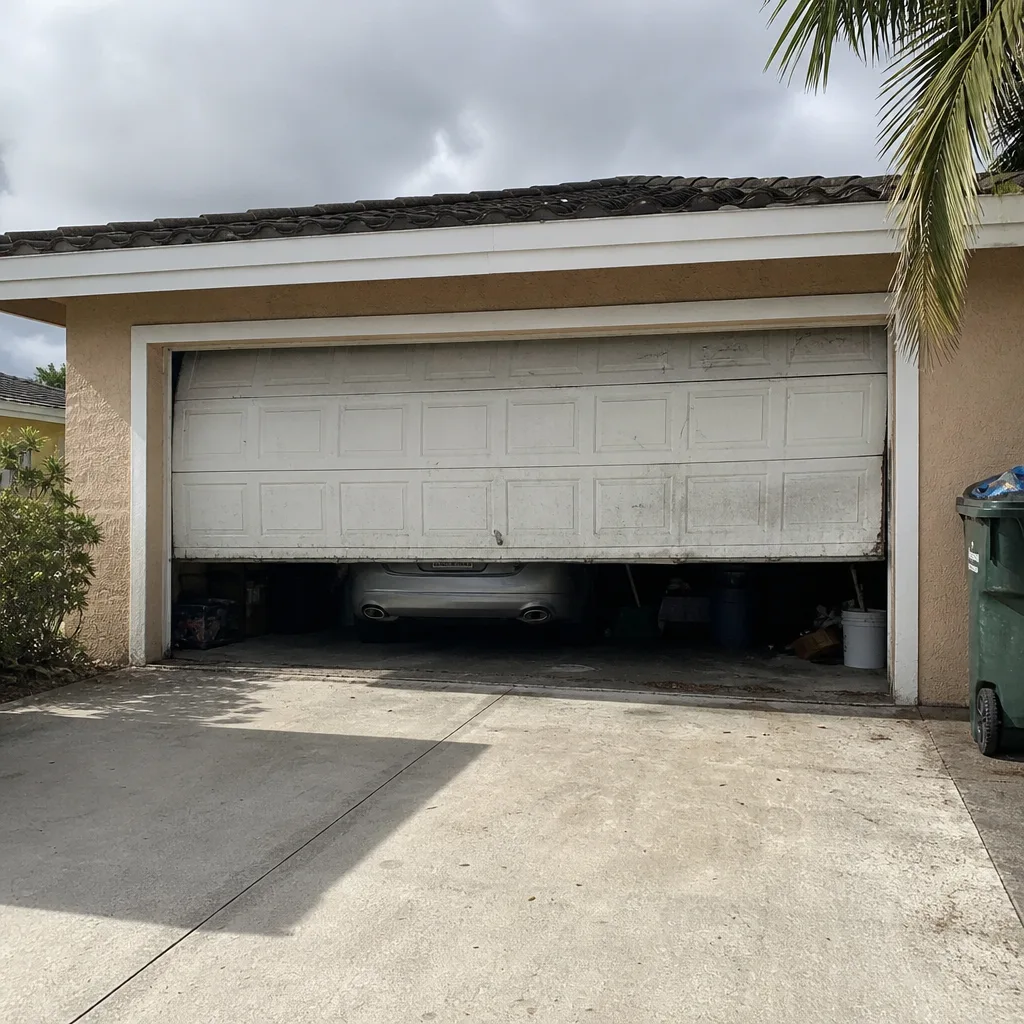 Before
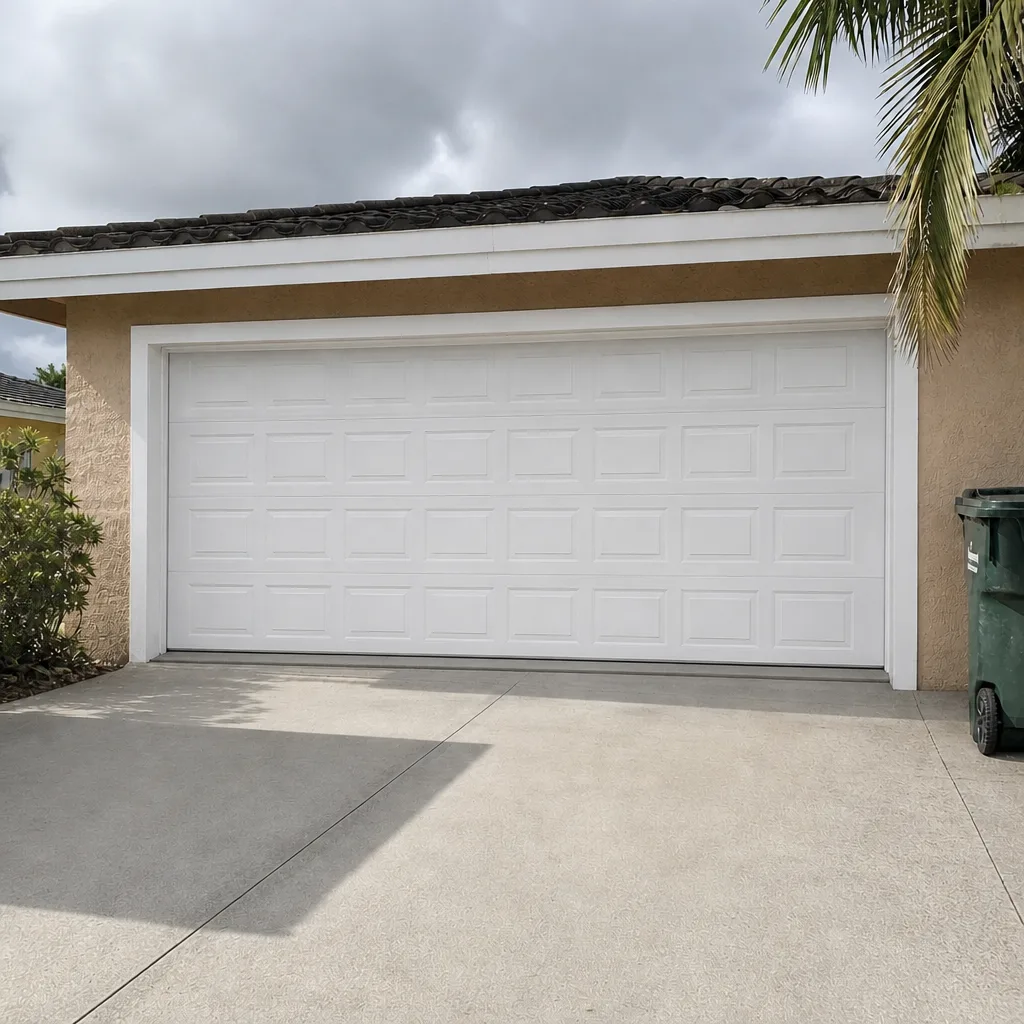 After
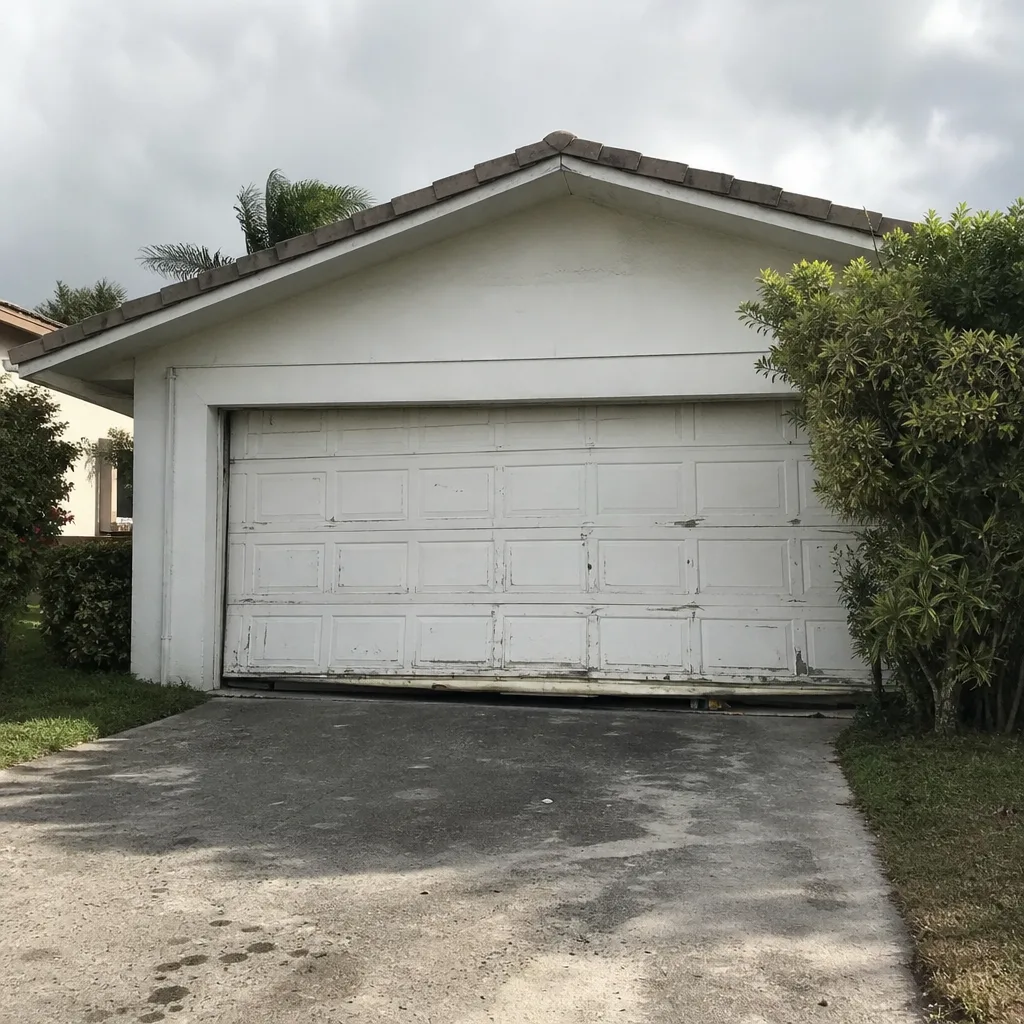 Before
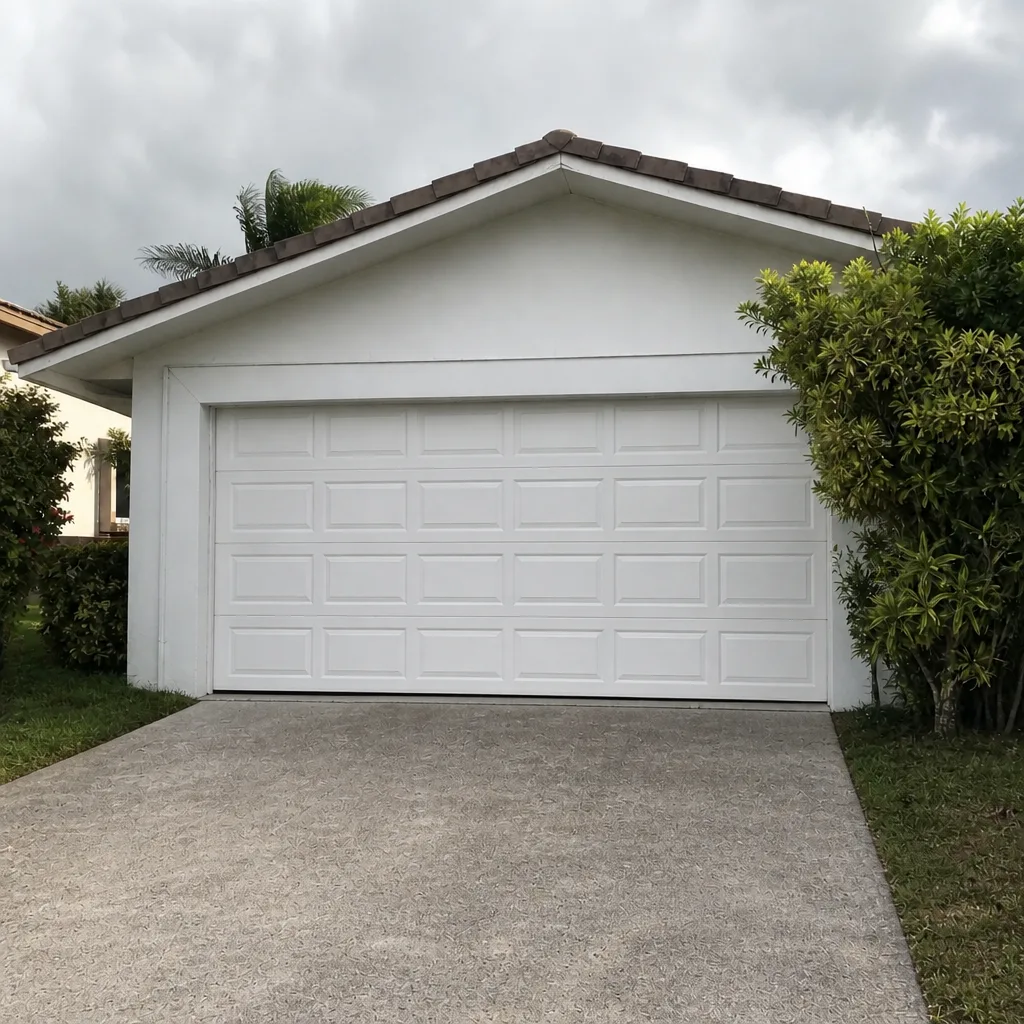 After
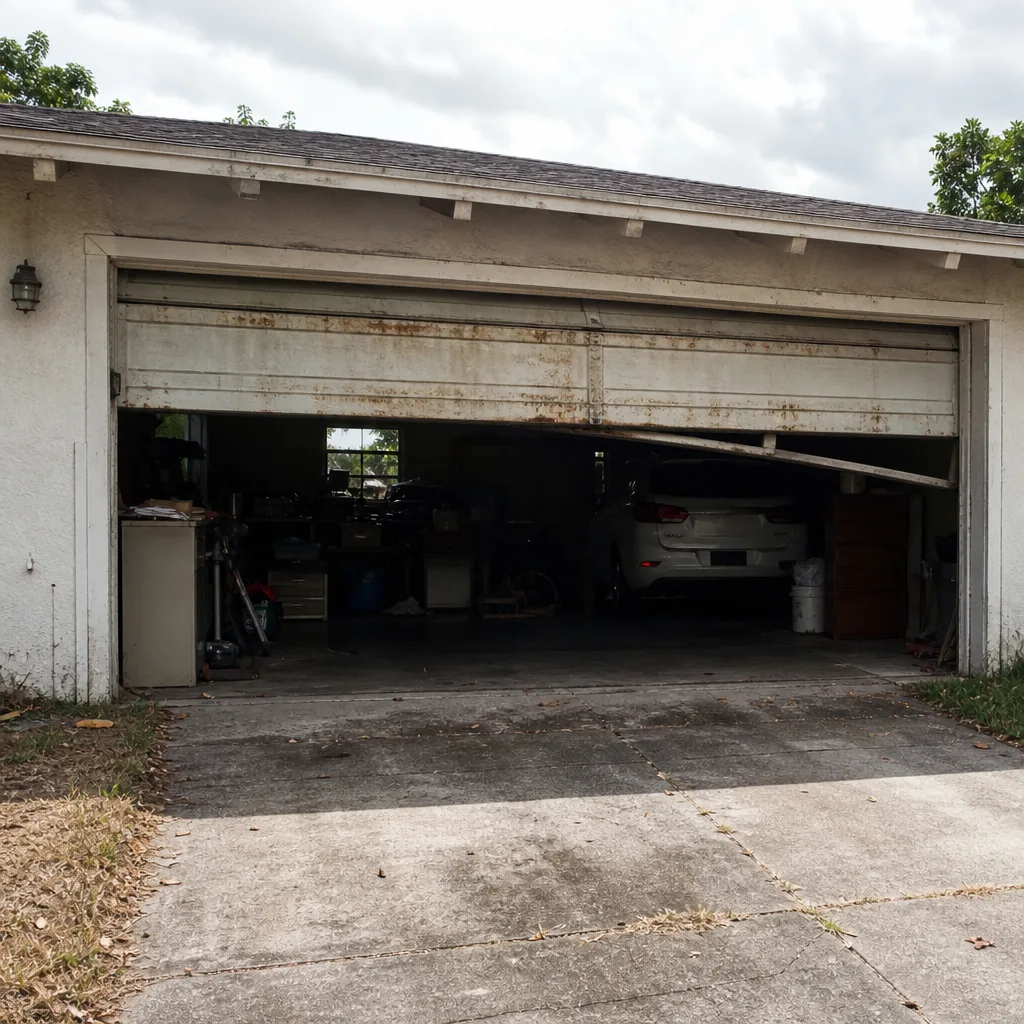 Before
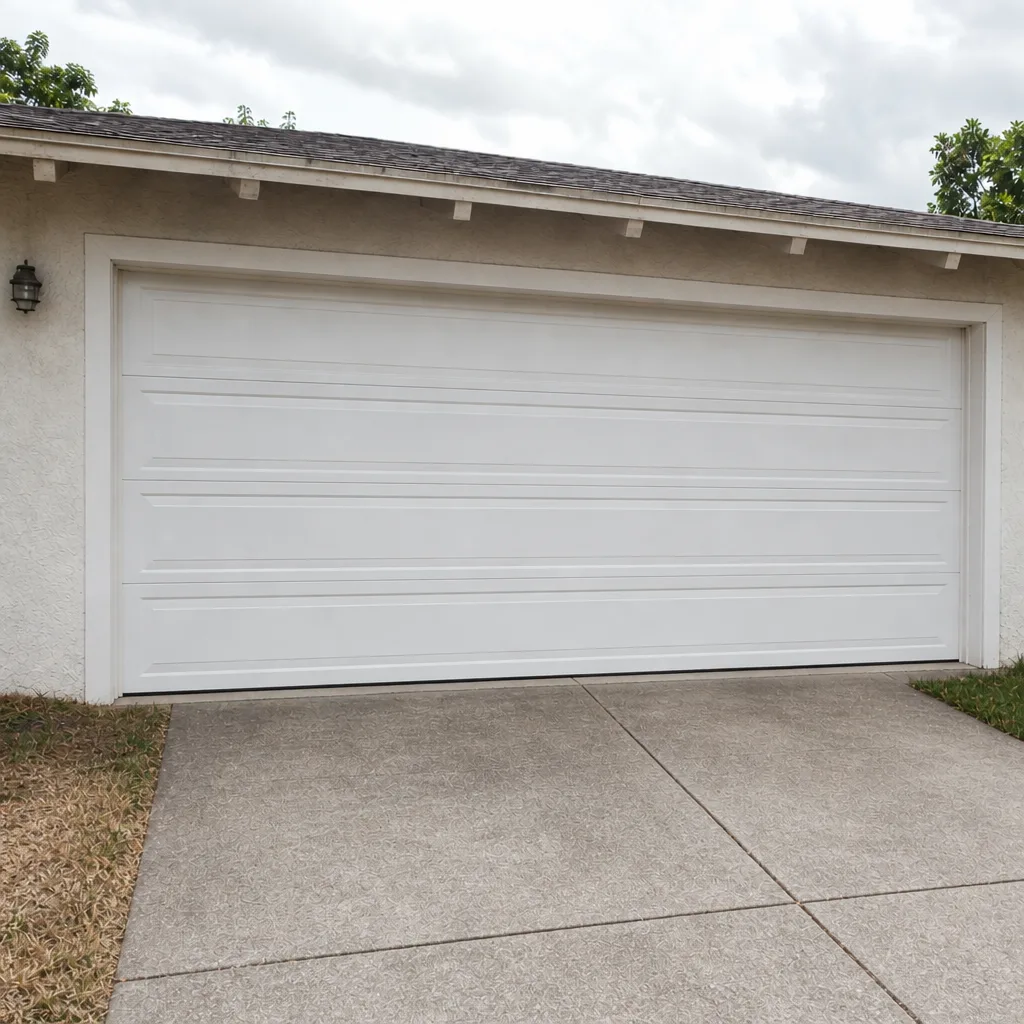 After
When to Call a Professional
Call a professional when a spring breaks, a cable snaps, the door comes off its track, the opener stops lifting the door, or the safety reverse fails. Call a professional when you’re planning a replacement and need to know whether the code requires a permit and an inspection. Call a professional before you list a home so any unpermitted door work is resolved while the calendar is on your side. If any of those apply, our team can help with a straightforward diagnosis and a written estimate. Plantation Garage Door Repair Pros offers free estimates in Plantation, and you can call (866) 937-8852 to schedule. You can read more about our full range of services on our Plantation Garage Door Repair Pros homepage, and if you’re already dealing with a broken spring or a stuck door, our garage door repair team handles both the diagnosis and the repair.
Frequently Asked Questions
Sometimes yes and sometimes no. A true like-for-like replacement using the same door model, same dimensions, same anchoring, and same product approval number can often be handled without a new permit. Any change to the door model, size, material, wind-load rating, or anchoring system generally triggers a permit through Broward County and requires an inspection. Call (866) 937-8852 for an exact quote on the installation and permitting scope.
Permit fees in Plantation are set by the jurisdiction based on the job’s declared valuation, so the fee varies by door and by scope. We don’t quote a specific fee number, and any contractor who does should show you the building department’s published fee schedule. The permit itself is a small line item relative to the door, and it’s the right thing to include. Call (866) 937-8852 and we’ll walk through the cost breakdown together.
The door works fine until it becomes visible on a property record. That usually happens at insurance inspection or at resale, when a buyer’s inspector pulls the permit history and finds a door with no permit on file. The fix is a retroactive permit and inspection, which resolves the issue cleanly but takes time. Do it before listing a home if you can. Call (866) 937-8852 and we can help you get that sorted.
The inspection verifies that the installed door matches the permit and that the anchoring will hold under the wind pressure the code assigns to the opening. Inspectors check the product approval label, the track and bracket anchoring, the header condition, the required clearances, and any reinforcing posts or plates the manufacturer’s approval requires. A door that fails the inspection gets reinspected after corrections, and a second visit adds to the timeline.
No, and this isn’t a case where we’re overcautious. Torsion springs store enough energy to cause serious injury, and cables that fail under load snap without warning. The right move is to secure the door, keep people and vehicles clear, and call a technician. If you’re also dealing with an opener that won’t lift the door, our garage door opener repair team handles both sides of the system.
The written estimate you receive is the price, and we confirm that before any work begins. If a spring replacement turns into a full spring-and-cable job because both are worn, we tell you that before we start, not after. The price doesn’t drift once the technician is on site. Call (866) 937-8852 for a free estimate.
The Bottom Line
The permit question around garage door work in Plantation is not a technicality. It’s the difference between a door that holds up under inspection years later and a door that slows a sale. The three things worth remembering: confirm whether your job is truly like-for-like, verify that the product approval number on the door matches the permit, and resolve any unpermitted door work before listing a home rather than after a buyer flags it. Our team handles repair, spring work, opener repair, installation and permitting coordination as one job, not several. If you have a door that needs attention or a permit question you want answered, call (866) 937-8852 for a free estimate.
Written by the team at Plantation Garage Door Repair Pros.