Last updated November 22, 2026
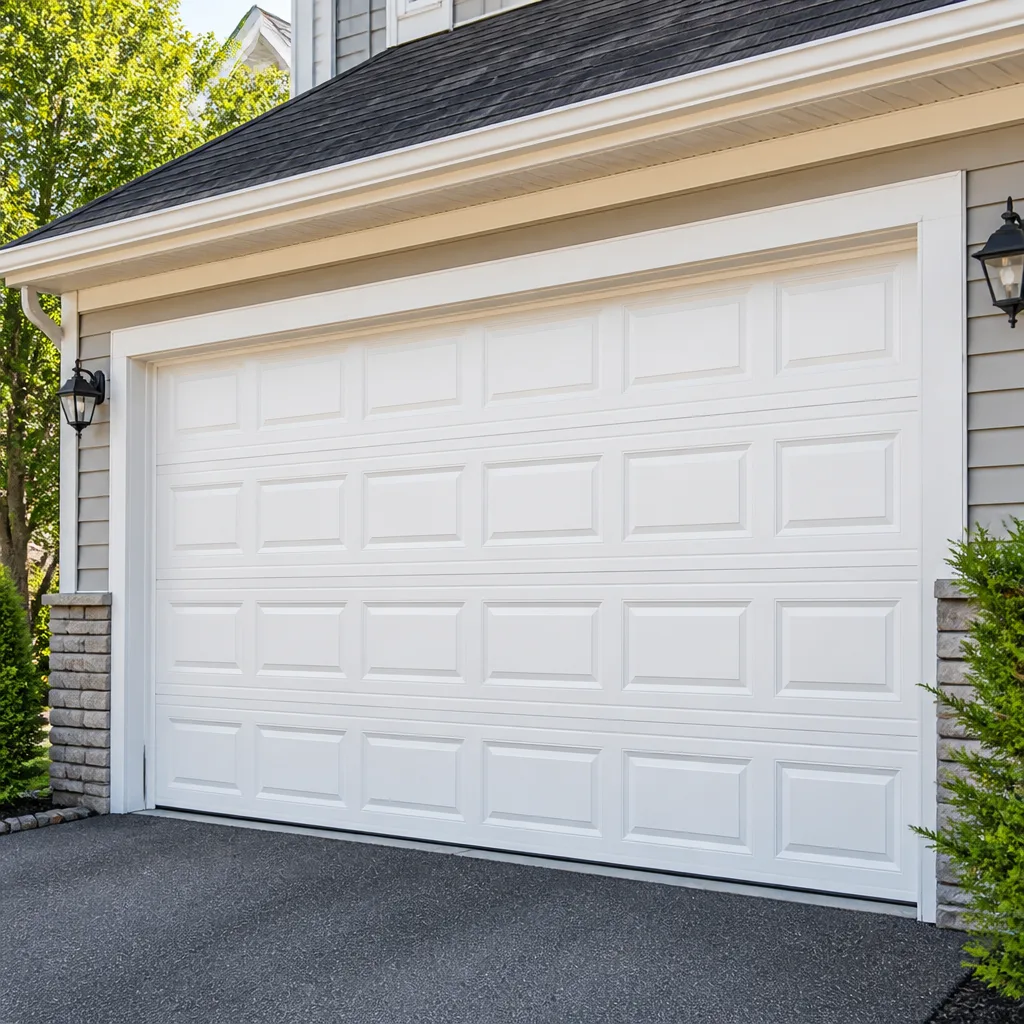 Raised-panel steel
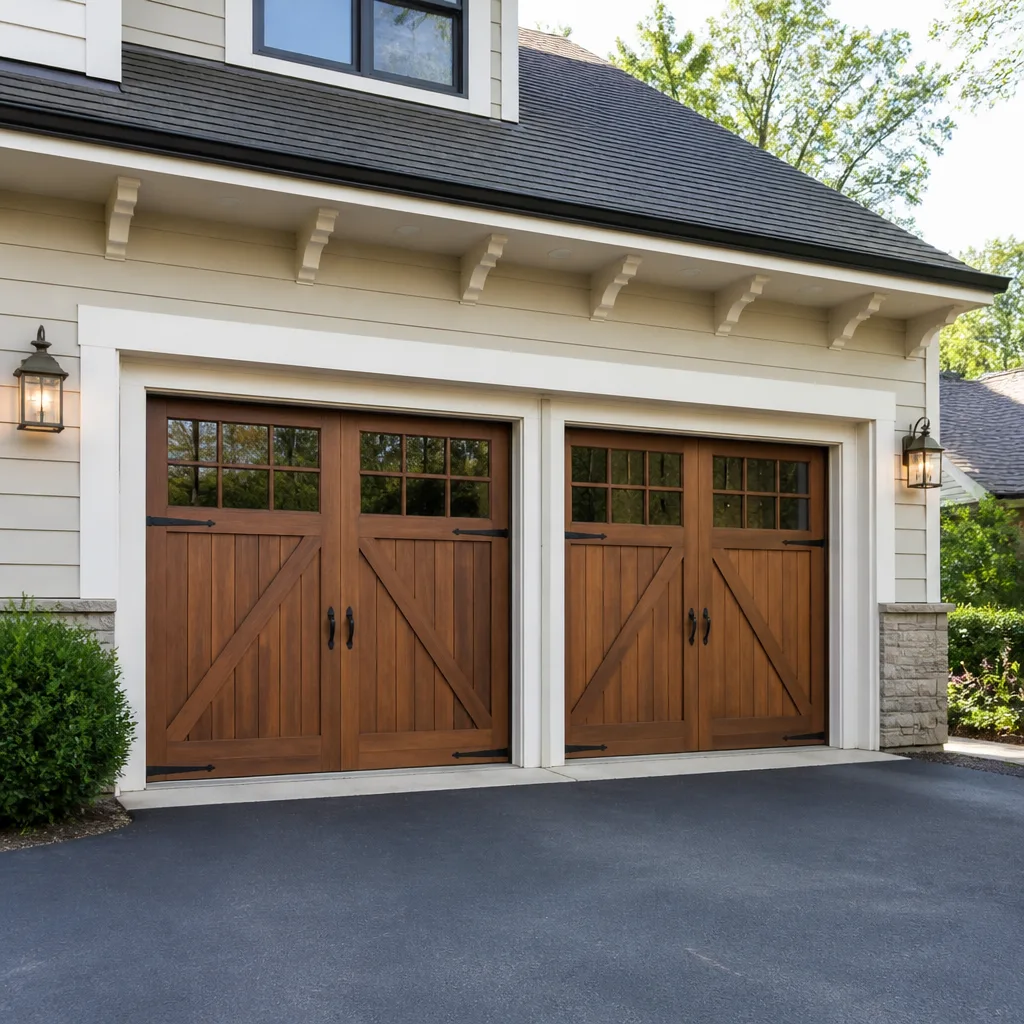 Carriage house
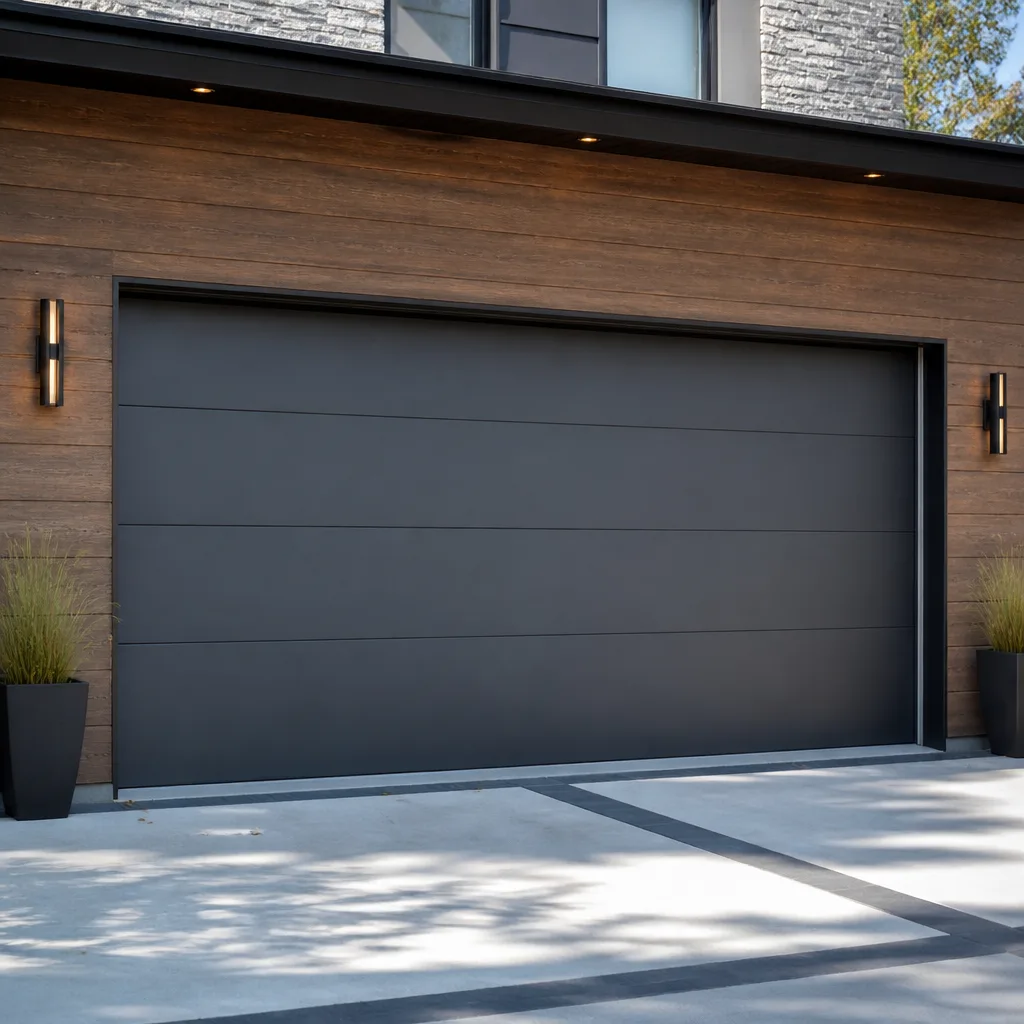 Modern flush
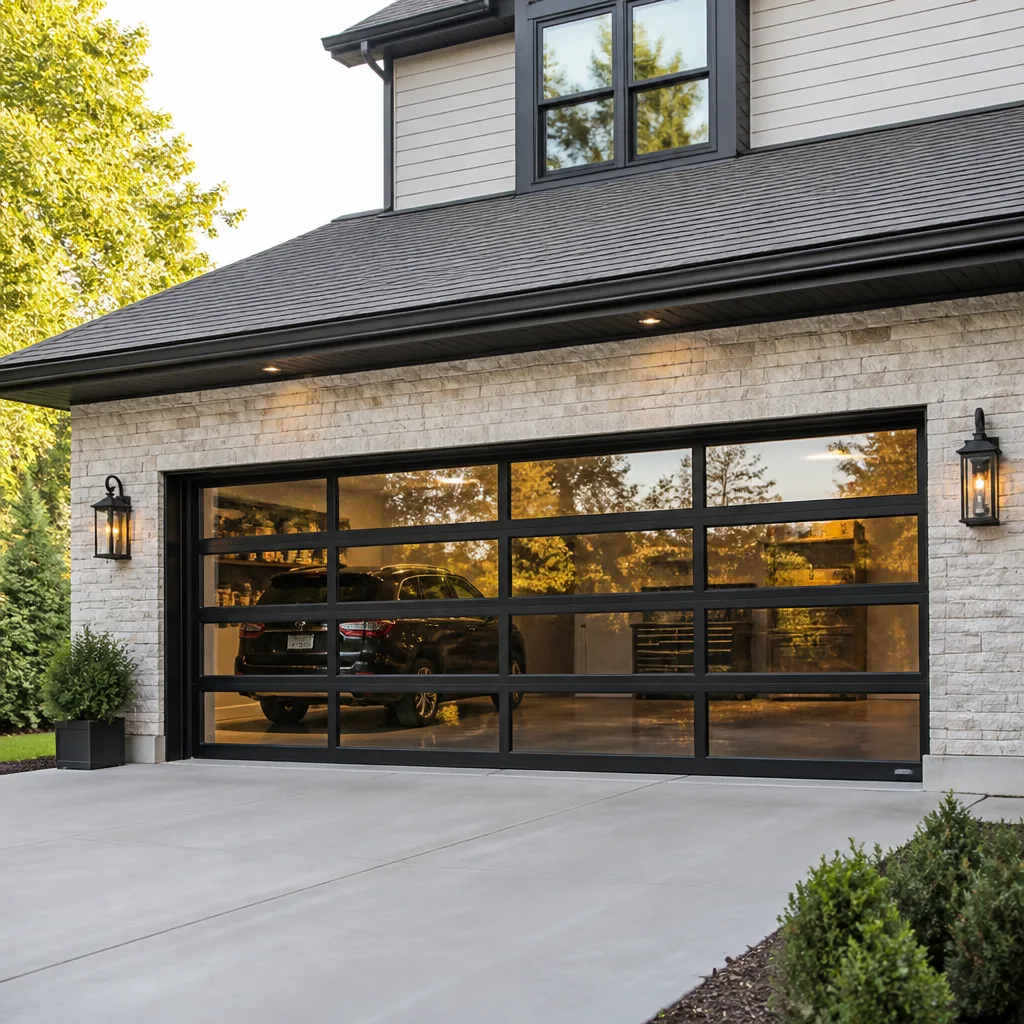 Full-view glass
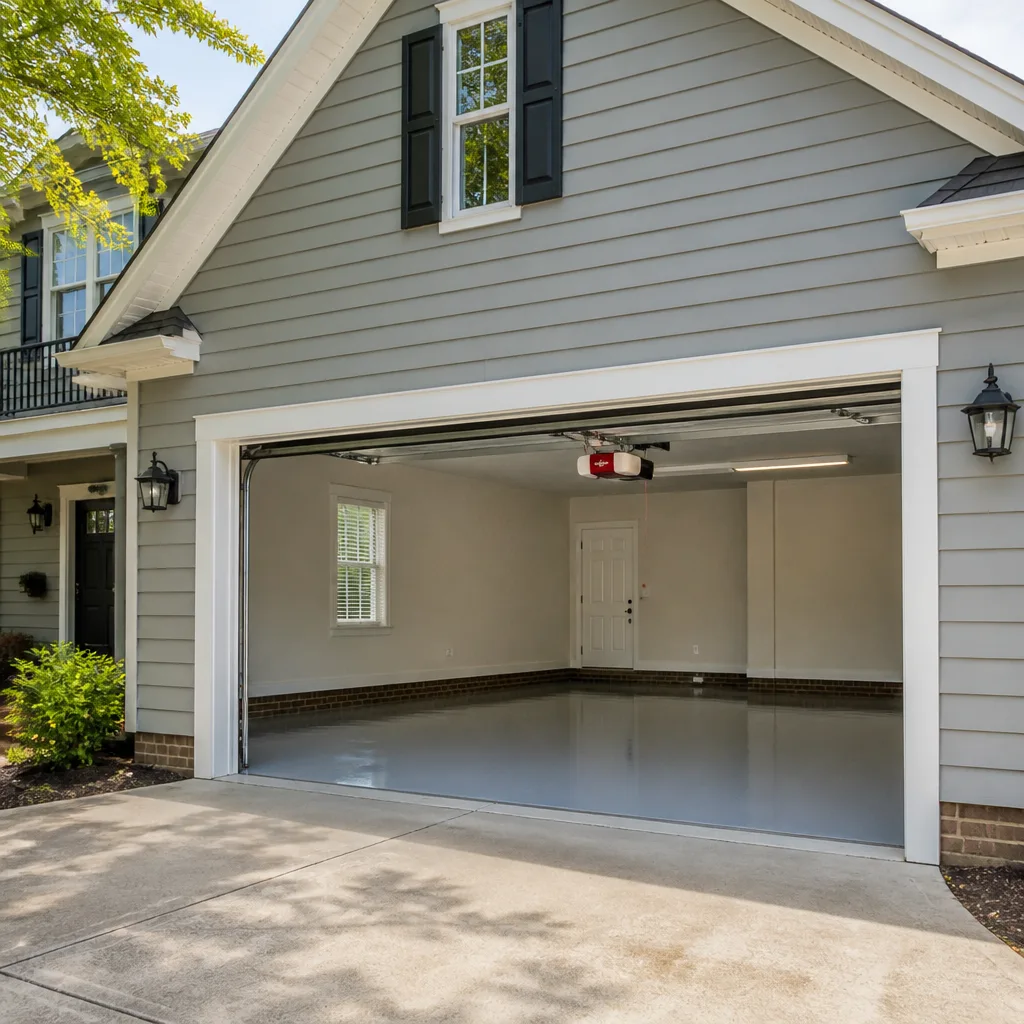 LiftMaster openers
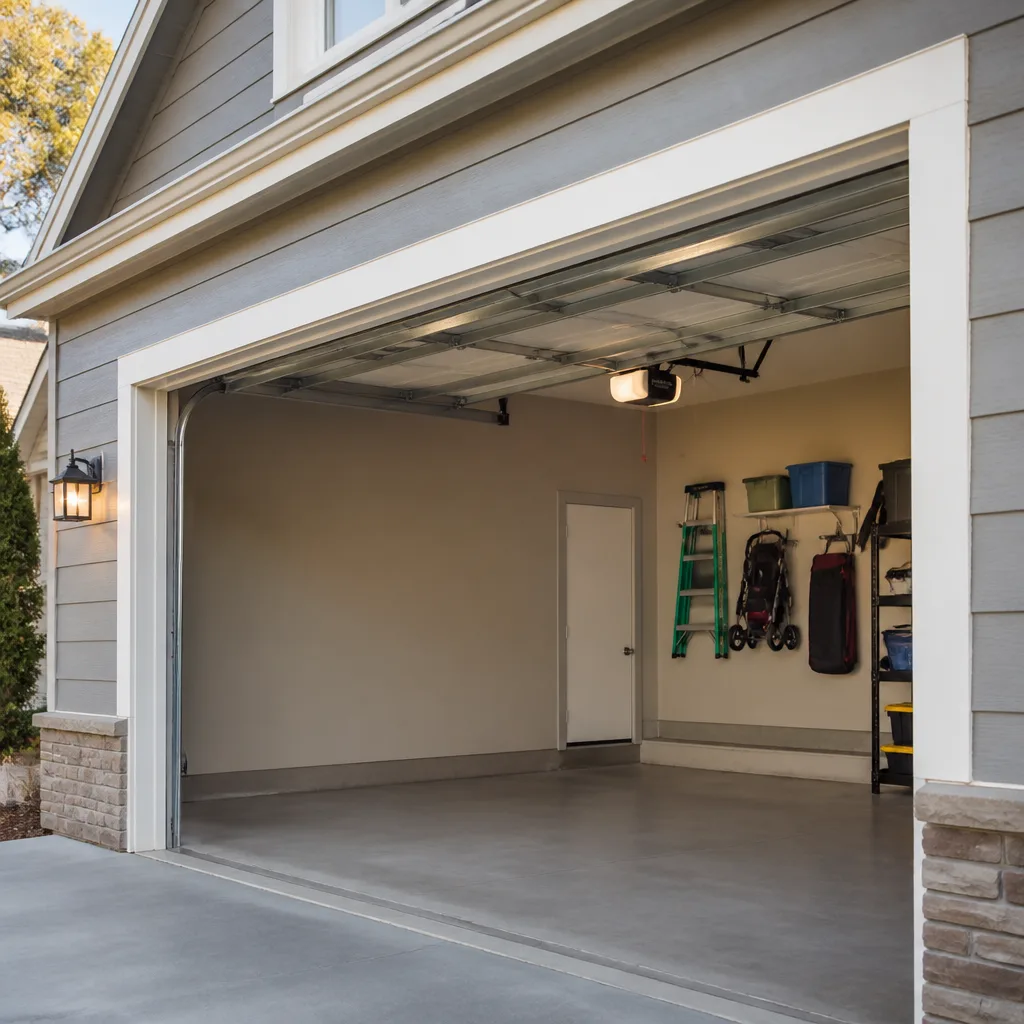 Chamberlain openers
Full 25-point door and opener safety check with every visit - springs, cables, rollers, tracks, and your LiftMaster or Chamberlain opener included
You get a price before we start. It does not change when the pro arrives.
Get your free estimateThe Complete Guide to Garage Doors in Plantation
Most garage door guides are written for Ohio. Plantation sits about 12 miles from the Atlantic, inside Broward County’s wind-borne debris region, and that single fact reshapes almost every recommendation you’ll read elsewhere. Wind-load ratings, panel construction, hardware finishes, even how an opener is mounted all get decided by South Florida conditions before style enters the conversation. This guide is built for that reality. We’ll walk through Florida Building Code requirements, HOA approval in Plantation’s many gated communities, the real difference between standard and impact-rated doors, salt-air corrosion, and how brand availability affects repair turnaround. If you’ve been comparing national advice and finding it doesn’t fit, that’s because it usually doesn’t.
Quick Answer
Choosing and maintaining a garage door in Plantation means prioritizing wind-load-rated construction and corrosion-resistant hardware over aesthetics, because Broward County’s wind-borne debris rules and the area’s humid, salt-influenced air narrow your options fast. Standard doors are typically fine for interior or non-rated openings, but impact-rated doors are what qualify for insurance discounts and satisfy most HOA requirements in the region. The best door is the one that passes code, fits your HOA, and matches the opener you already own, which is why we combine Plantation Garage Door Repair Pros diagnostic and installation expertise across eight major brands.
Styles & brands we work with
- Raised-panel steel
- Carriage house
- Modern flush
- Full-view glass
- LiftMaster openers
- Chamberlain openers
Table of Contents
- How Florida Building Code Wind-Load Rules Change Your Options
- Navigating HOA Door Approvals in Plantation
- Standard vs. Impact-Rated Doors: What Each Qualifies For
- Salt-Air Corrosion and Which Finishes Hold Up
- The Manufacturer Compatibility Matrix
- Repair or Replace? A Decision Framework
- Matching Your Opener to Your Door and Smart-Home System
- A Maintenance Routine Built for South Florida
How Florida Building Code Wind-Load Rules Change Your Options
Before you pick a color or a window pattern, you pick a wind-load rating. Broward County sits inside Florida’s wind-borne debris region, which means garage doors on most homes must be rated to resist specific design pressures. The rating isn’t a suggestion; it’s part of the permit approval process. A door that looks perfect in a showroom catalog may not carry the rating your opening requires, and no installer can bypass that.
What this does in practice is eliminate a large share of the cheap, lightweight doors sold nationally. The doors that qualify tend to have reinforced struts, heavier-gauge sections, and tested hardware. That’s a good thing for a homeowner in Plantation, but it does raise the entry price and narrows the selection.
Here’s how the decision usually unfolds:
- Confirm your design pressure requirement. Your permit or a consultation with the city’s building department will tell you what wind load your opening must handle.
- Match the door’s tested rating to that requirement. Door manufacturers publish design pressure ratings; ask to see them before committing.
- Verify the hardware. Reinforced hinges, heavy-duty track brackets, and rated struts are part of the rating package, not optional upgrades.
- Keep the documentation. Your HOA and insurer may both ask for the product data sheet later, and finding it after the fact is harder than keeping it up front.
If your existing door is old enough that its rating paperwork is gone, we can look at the model and hardware to help you determine where it stands. That’s part of what a proper garage door repair visit includes: not just fixing what’s broken, but telling you whether the door itself meets current expectations.
Navigating HOA Door Approvals in Plantation
Plantation has a lot of HOAs, and each one has its own architecture review process. Some communities require an approval letter before any door is ordered; others just want a photo of the finished door on file. Skipping that step is one of the most common and expensive mistakes we see, because a door can be perfectly installed and still trigger a compliance notice.
What we see repeatedly is homeowners picking a door from a manufacturer’s catalog, ordering it, and only then reading their HOA rules. The fix is to flip that order. Get the HOA’s design guidelines first, gather what your installer needs to submit, and only then finalize the product.
Here’s what documentation typically travels with an approval package in this market:
- The door’s product data sheet, including wind-load rating
- A rendering or photo of the door style in a similar color
- The model number, panel style, and window configuration
- A brief statement of the installation method
- Your proposed timeline, since HOA boards often meet on a set schedule
The good news is that a good installer knows this routine cold. When we handle a garage door installation in Plantation, we can supply the spec sheets and renderings your HOA needs, which saves you a round trip between the board and the manufacturer. Contact us before ordering anything; a 20-minute conversation about your community’s rules can save a week of back-and-forth.
Standard vs. Impact-Rated Doors: What Each Qualifies For
Standard and impact-rated doors are not the same product, and the distinction matters for both code and insurance. A standard door is designed to open and close reliably and may not carry a wind-borne debris rating. An impact-rated door has been tested to resist pressure and, depending on the model, debris impact, and it usually qualifies for insurance-related benefits where those are offered.
Here’s how to think about which applies to you:
- Standard is usually acceptable on openings where code and HOA don’t require impact rating, such as some interior or conditioned-space openings that aren’t part of the building envelope.
- Impact-rated is what most Plantation homeowners need for the main attached-garage opening, since code, insurance, and HOA requirements converge there.
- Insurance implications vary by carrier. Ask your insurer directly what credits they offer for impact-rated doors and keep the product documentation on file.
The most frequent mistake we see is assuming “reinforced” and “impact-rated” mean the same thing. They don’t. A reinforced standard door is stronger than a base model, but unless it carries the rated certification, it won’t satisfy code or insurance requirements. When you’re evaluating any garage door in Plantation, ask for the rating paperwork, not just the word “reinforced.”
Salt-Air Corrosion and Which Finishes Hold Up
Plantation’s air carries more salt than inland Florida, and that changes the useful life of hardware and finishes. It’s not catastrophic, but it does mean the finish you pick today should be chosen with 10 years of humid air in mind, not a five-year showroom look.
From what we see on repairs in this market, the finishes that hold up best are:
- Powder-coated steel: The most durable finish for the door sections themselves, especially in lighter colors that hide dust.
- Prepainted aluminum: Lightweight and rust-resistant, good for doors that are handled roughly; the tradeoff is that wood-grain textures on aluminum rarely hold up in humid air.
- Stainless-steel or galvanized hardware: Worth the small upgrade cost for hinges, rollers, and fasteners, since standard zinc hardware corrodes faster here.
- Avoid bare steel and unfinished aluminum for any door element exposed to the outside air, particularly on the door’s south and east faces.
The timeline varies by ZIP code, but hardware that lasts 20-plus years in Ohio may need attention in 8-12 years in South Florida, and that’s reason enough to choose finishes on corrosion resistance rather than on which one looks best in a photo. If your existing hardware is showing rust, a garage door repair visit can usually replace rollers, hinges, and fasteners in a single session without touching the panels.
The Manufacturer Compatibility Matrix
Brand availability affects your repair turnaround as much as anything else. A door brand that stocks locally gets fixed fast; a brand that requires a factory order can leave your door stuck for days. Here’s a practical look at how the major gateways tend to behave in the Plantation market:
- Clopay: Common in this market and reasonably available; a wide range of panel styles and impact-rated options.
- Amarr: A broader selection than most people expect, with strong availability for standard door sizes.
- Wayne Dalton: Solid availability on common models, though specialty configurations often need lead time.
- Raynor: A specialty brand, generally fine for repair parts but with less local stock than Clopay or Amarr.
- LiftMaster and Chamberlain: Openers rather than doors, widely supported, with the MyQ smart-home system tied in.
- Craftsman: Common on resale homes; compatible with many LiftMaster-sourced parts.
What that means in practice is that a Clopay or Amarr door usually gets repaired fastest, while a Raynor or a specialty Wayne Dalton model may need a short parts wait. A quick garage door repair diagnosis and a phone call is the right first step; it lets us tell you honestly whether the fix is a same-day job or a scheduled one. If you’re replacing, ask about lead times before ordering, especially if your HOA is waiting to approve the model.
Repair or Replace? A Decision Framework
This question comes up more than any other, and the honest answer is that it depends on four things: age, structural condition, safety, and code compliance. A 22-year-old door with rust on the bottom panels is usually a replace; a 15-year-old door with a broken spring is almost always a repair.
- Look at the bottom section. If it’s rusted through or the hemline is falling apart, replacement is usually the smarter long-term call.
- Check the panels. Bent or cracked panels on a discontinued model can be very expensive to source individually, and replacement often costs less than the repair.
- Evaluate the hardware age. If the springs, hinges, and rollers are all original and the door is more than 15 years old, expect a wave of repairs even if you fix the current issue.
- Confirm code status. A door that can’t pass code as-is is a much stronger case for replacement than for repair.
We’ve seen both sides of this choice in Plantation and we won’t push you toward a sale. A good rule: if the repair would cost more than about 40% of the replacement estimate, replacement deserves a serious look. If it’s less than a quarter, a repair is usually the right call.
Matching Your Opener to Your Door and Smart-Home System
Openers and doors aren’t interchangeable, and the mismatch is one reason a new door sometimes performs worse than the old one. LiftMaster and Chamberlain MyQ lead the smart-home conversation in Plantation, Genie’s Aladdin has a loyal following, and Craftsman ownership is common on resale homes. If you’re adding smart features, confirm the opener supports them before buying the hub.
Three compatibility rules to keep in mind:
- Match the opener’s lift capacity to the door’s weight. A heavier impact-rated door may need a more powerful opener than a standard one.
- Check the drive system. Belt drive is quiet and suits homes with living space above the garage; chain drive is louder but durable; jackshaft and screw drive have particular room and door-shaft requirements.
- Stick with one ecosystem. Mixing a LiftMaster opener with a Genie smart hub is possible but rarely smooth; a proper garage door opener repair conversation is the right place to sort this out.
When you’re replacing a door and keeping an older opener, we’d rather check compatibility first than discover the problem after the door is hung. A short pre-installation review prevents the most avoidable rework.
A Maintenance Routine Built for South Florida
Maintenance here is mostly about humidity, salt-air exposure, and dust. A schedule that suits Ohio is too infrequent; four small checks a year are what we see on the best-performing Plantation doors.
A practical quarterly routine:
- Visual inspection. Look at the door from inside with the light on. Rust, cracked panels, and loose weather stripping are easier to catch early.
- Lubrication. Apply a garage door lubricant, not WD-40, to hinges, rollers, and springs. Twice a year is minimum; quarterly in high-humidity stretches.
- Balance test. Close the door, then release the opener and lift by hand; it should move smoothly and hold position with minimal effort.
- Safety reversal test. Place an object under the closing door and confirm it reverses on contact. Monthly is the recommendation, and it takes 30 seconds.
- Hardware check. Check for loose bolts, worn rollers, and fraying cables. Replace any hardware showing rust; salt air will finish the job if you don’t.
Scheduling a spring assessment with a technician who has worked in Plantation’s climate is worth the appointment. Springs that look fine from the outside can be at the end of their cycle count, and the load they carry is not one to test with a DIY repair.
Common Mistakes to Avoid
- Buying a door before the HOA review. In many Plantation communities, this is the single most expensive mistake we see. Get the approval packet moving first.
- Treating “reinforced” as “impact-rated.” They aren’t the same, and the paperwork is what matters to code and insurance.
- Choosing standard zinc hardware in a coastal climate. Rust will eat zinc hardware faster here than in most of the country. Stainless or heavy galvanized is a small upgrade with real payoff.
- Assuming all openers are compatible with all doors. A heavier impact-rated door may exceed the capacity of an older opener, causing premature wear on both.
- Skipping the monthly safety reversal test. A door that doesn’t reverse on contact is a liability, and the fix is usually a small adjustment.
- Trying to adjust a broken spring yourself. This is the single most dangerous repair on the system. The hardware holds hundreds of pounds of tension, and a miscalculation can cause serious injury.
- Ignoring a soft spot or sag in the top section. In Florida humidity, small moisture damage spreads, and a repair now costs far less than panel replacement later.
See the difference
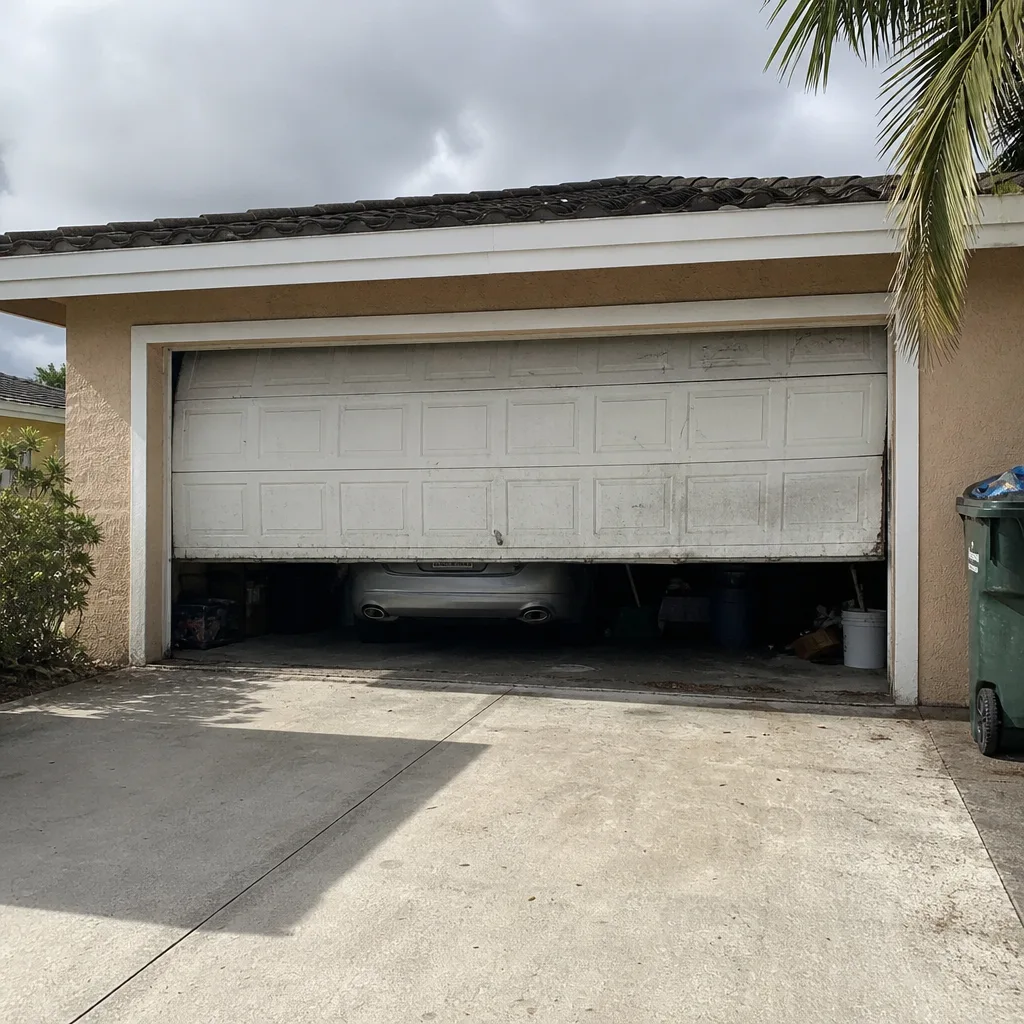 Before
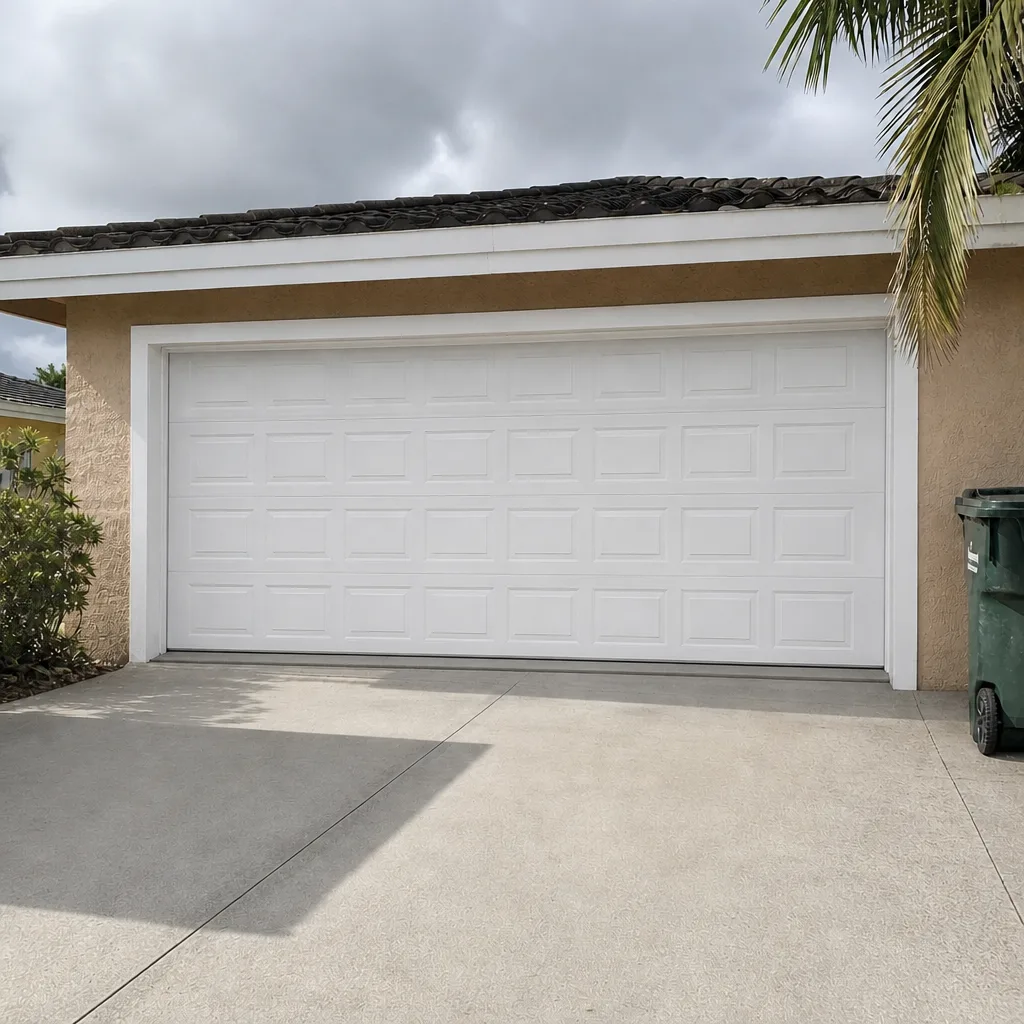 After
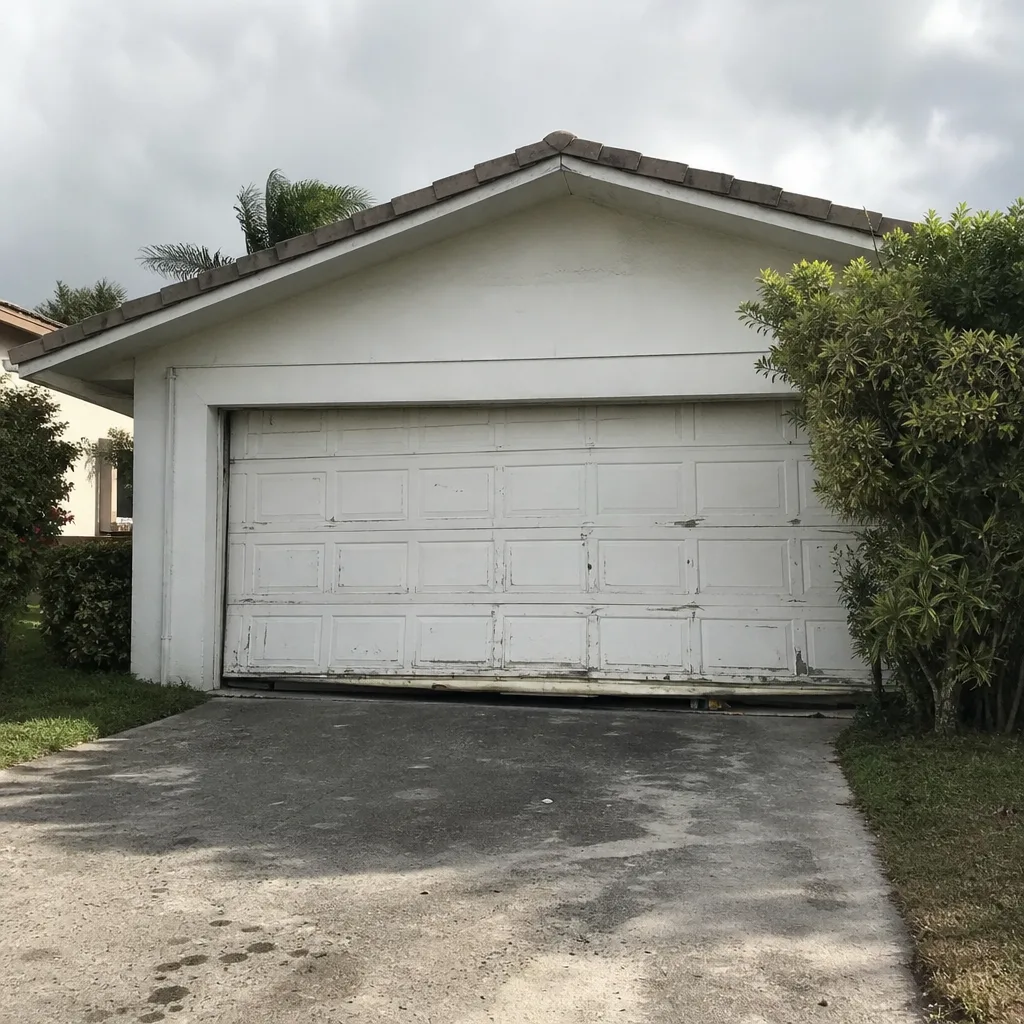 Before
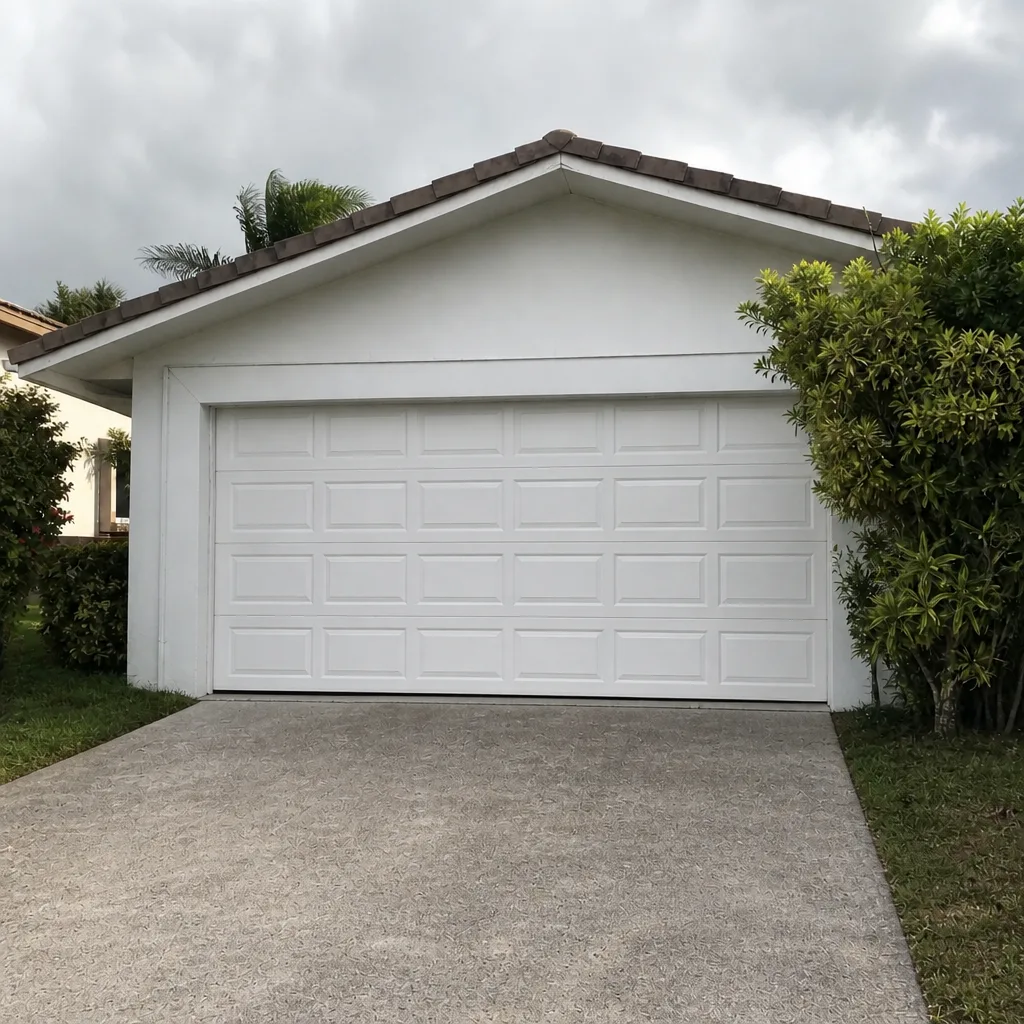 After
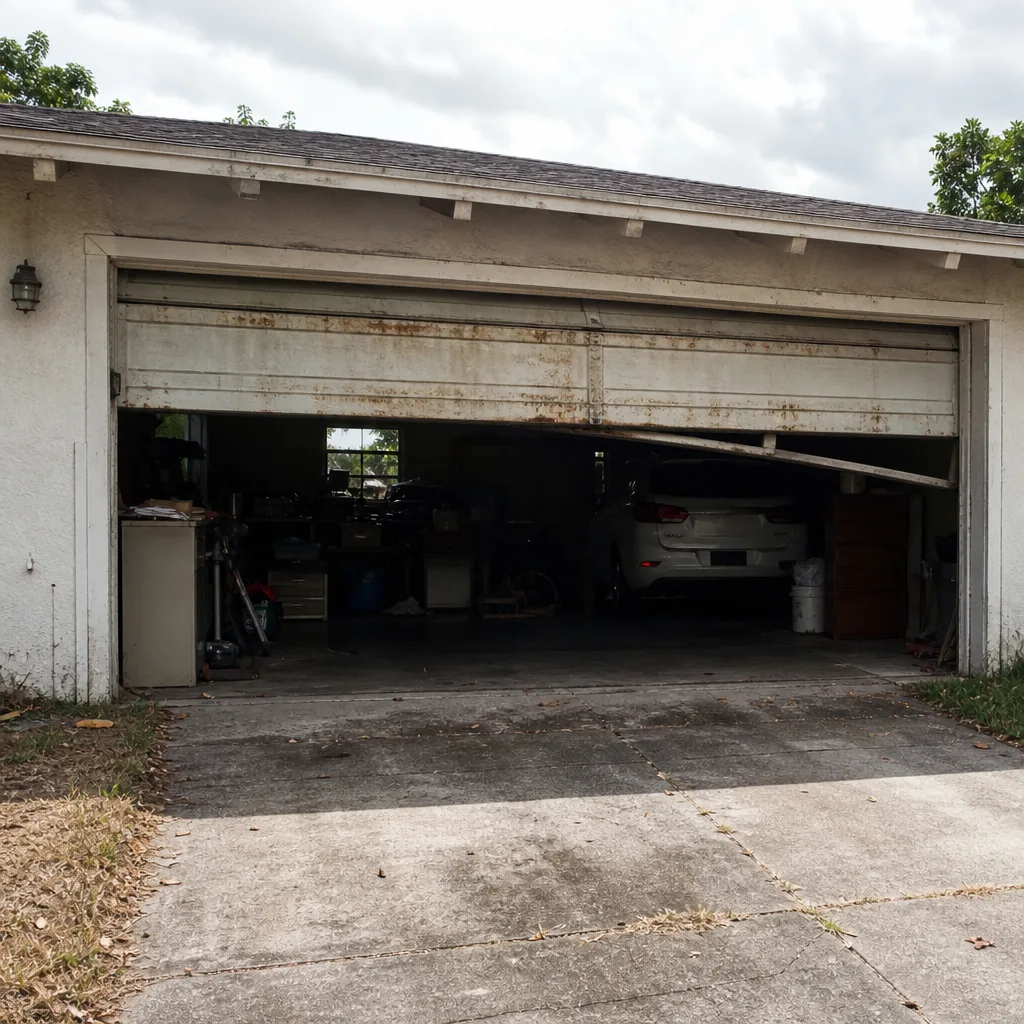 Before
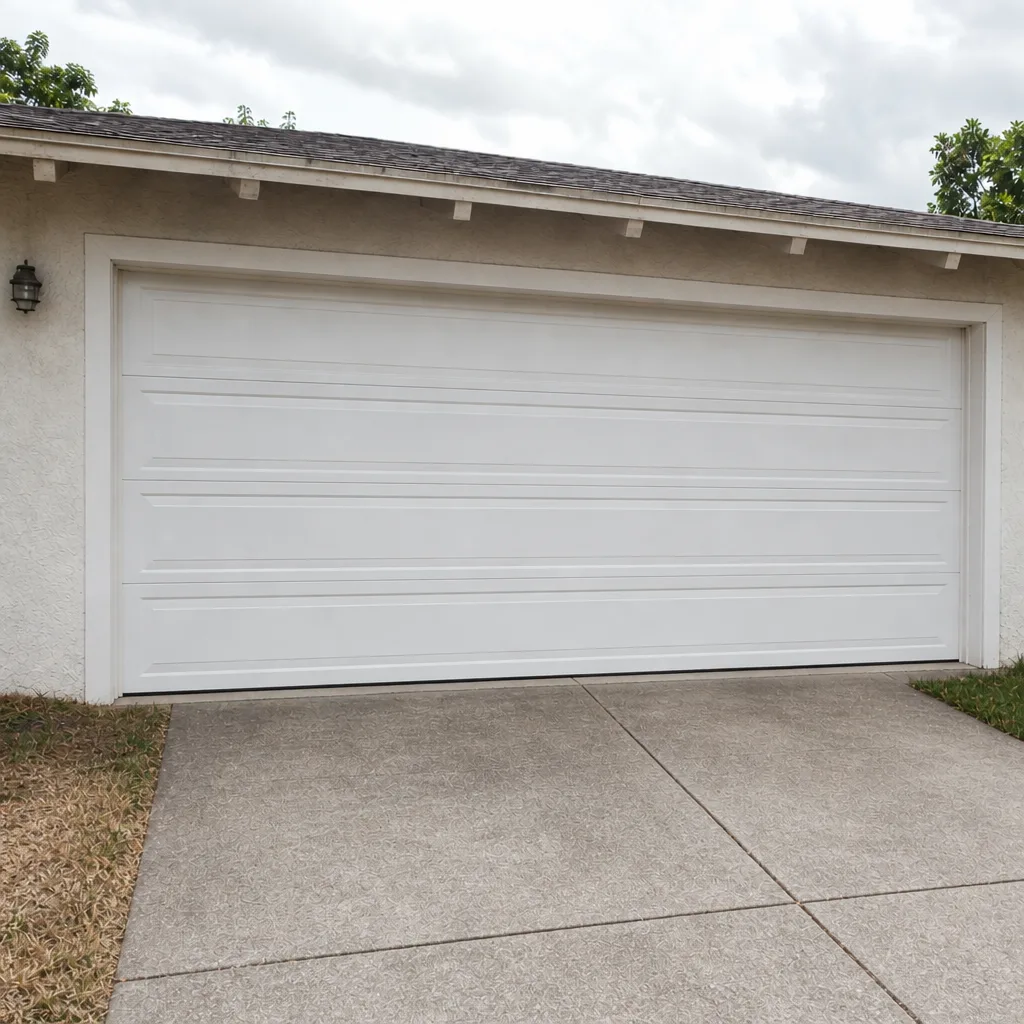 After
When to Call a Professional
Call us when the door won’t close all the way, when a spring snaps (you’ll hear it), when the door comes off its track, when the opener runs but the door doesn’t move, or when the door sags to one side during a cycle. These are the jobs where the diagnosis matters as much as the repair. Spring repair in particular is not a job for weekend DIY: the tension in a garage door spring can release suddenly and cause serious injury, so we always recommend a trained technician for that piece. Plantation Garage Door Repair Pros offers free estimates in Plantation and we handle everything from a torn weather seal to a full replacement. Call (866) 937-8852 and we’ll walk you through the situation and book the visit. Our technicians have up to 9 years of experience, and we work on what you already have.
Frequently Asked Questions
Typical garage door repairs in Plantation run from small adjustments at the low end to a spring or opener repair in the middle range, and a written estimate is the only reliable way to know your exact price. We’ll diagnose the problem, quote the work in writing, and get your agreement before anything starts. Call (866) 937-8852 for a free estimate.
In most cases, yes, because Broward County’s wind-borne debris rules apply to most attached-garage openings, and many HOAs require the rating as part of their own approval. Confirm your specific opening with the city building department and your HOA before ordering. Call us first and we’ll help you sort through the requirements.
Yes, absolutely. We work on what you already have across eight major brands, including LiftMaster, Chamberlain, Genie, Clopay, Amarr, Wayne Dalton, Craftsman, and Raynor. A prior installation is not a problem, and the diagnosis starts with the system you own. Call (866) 937-8852 to book a visit.
Humidity accelerates corrosion on hardware, weather stripping, and the bottom panels of the door, and it can cause wood to swell and metal to pit over time. Quarterly lubrication and stainless or galvanized hardware make a real difference. If you see rust, call us for a repair visit; it’s usually a fast, straightforward replacement of rollers and hinges.
You can usually add a MyQ, Aladdin, or Craftsman module to a compatible opener without a technician, but if the opener itself needs replacement or the door isn’t balanced, we recommend a professional. A mismatched opener and door can cause both to fail early. Call (866) 937-8852 for a compatibility check.
A repair fixes something that’s already failed; a tune-up prevents the next failure by adjusting the door and replacing worn hardware before it breaks. If your door is moving smoothly, a tune-up is the right call; if it’s stuck or noisy, you need a repair. We can tell you which on the phone, so call (866) 937-8852 and describe what you’re seeing.
The Bottom Line
A garage door in Plantation is a code-driven, climate-driven, HOA-mediated decision, not a cosmetic one. Get the wind-load rating right, confirm your HOA paperwork before ordering, choose hardware that won’t corrode in humid air, and match your opener to the door you actually need. Repair before replacement unless the panels, hardware, or code status push you the other way. And handle spring work with a trained technician; the danger there is real. If you’d like a straight answer on what your door needs, Plantation Garage Door Repair Pros offers free estimates in Plantation. Call (866) 937-8852 and we’ll help you choose the right fix or the right door.
Written by the team at Plantation Garage Door Repair Pros.