Last updated November 22, 2026
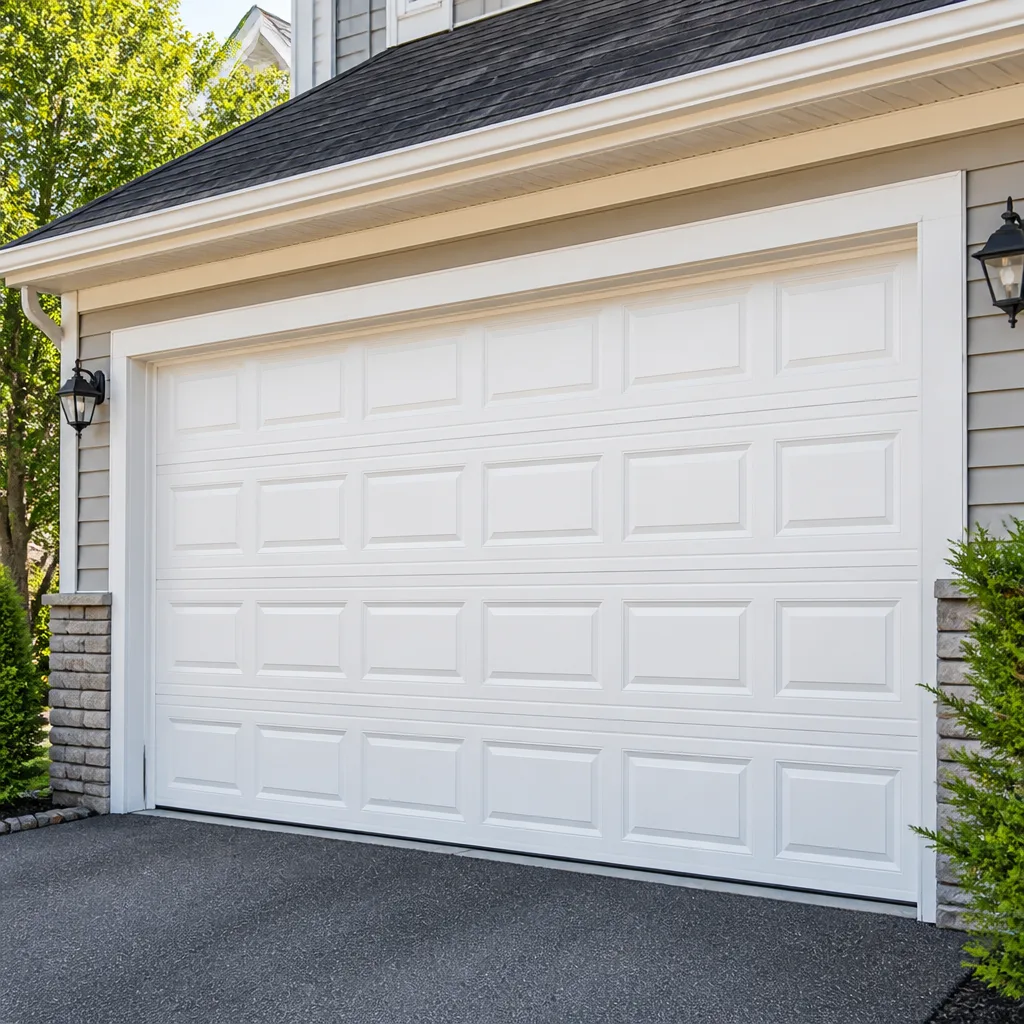 Raised-panel steel
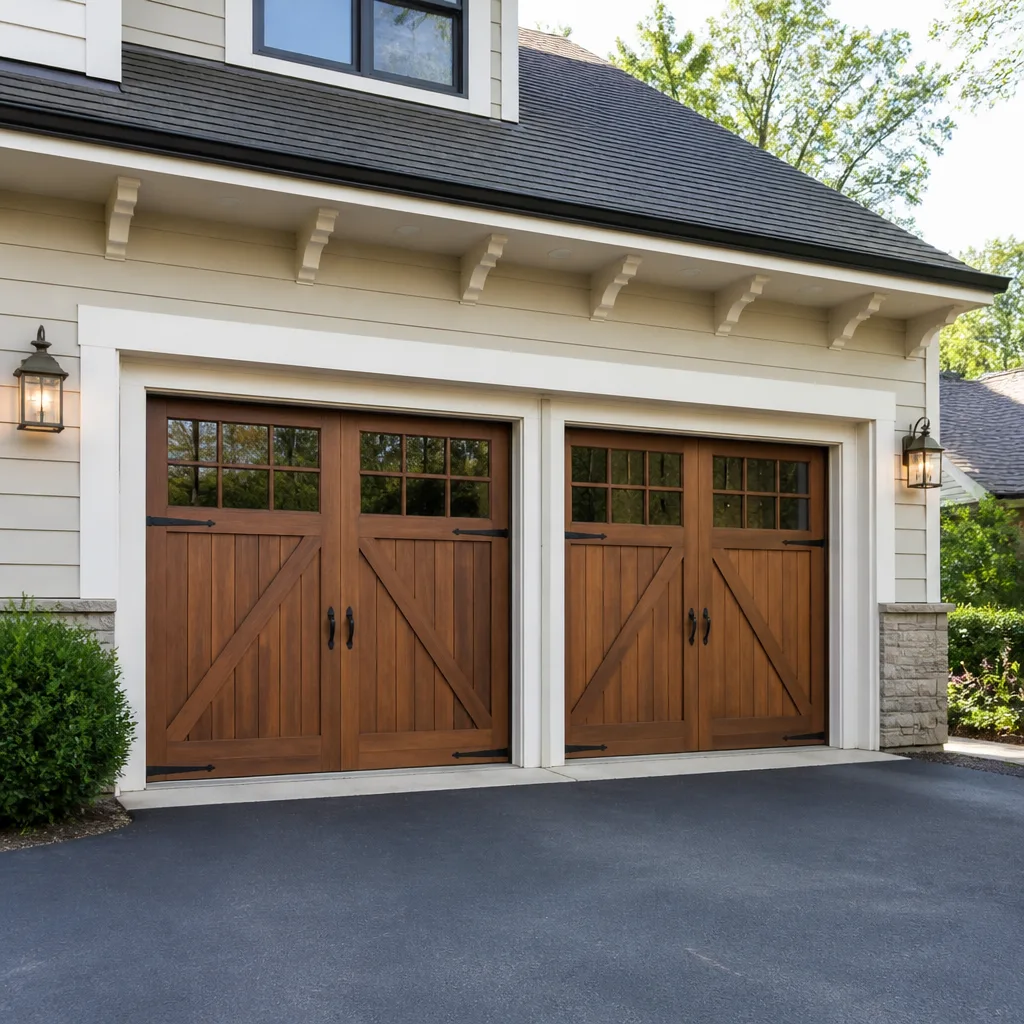 Carriage house
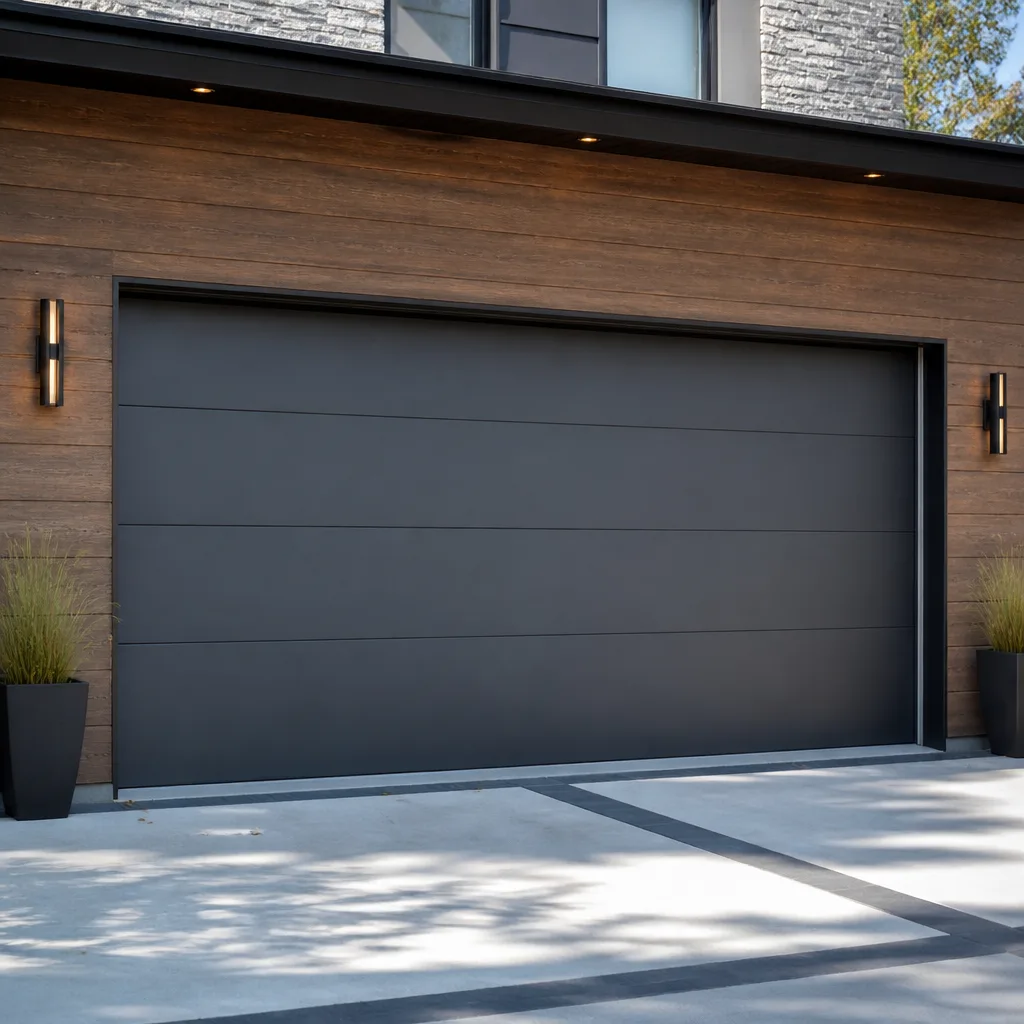 Modern flush
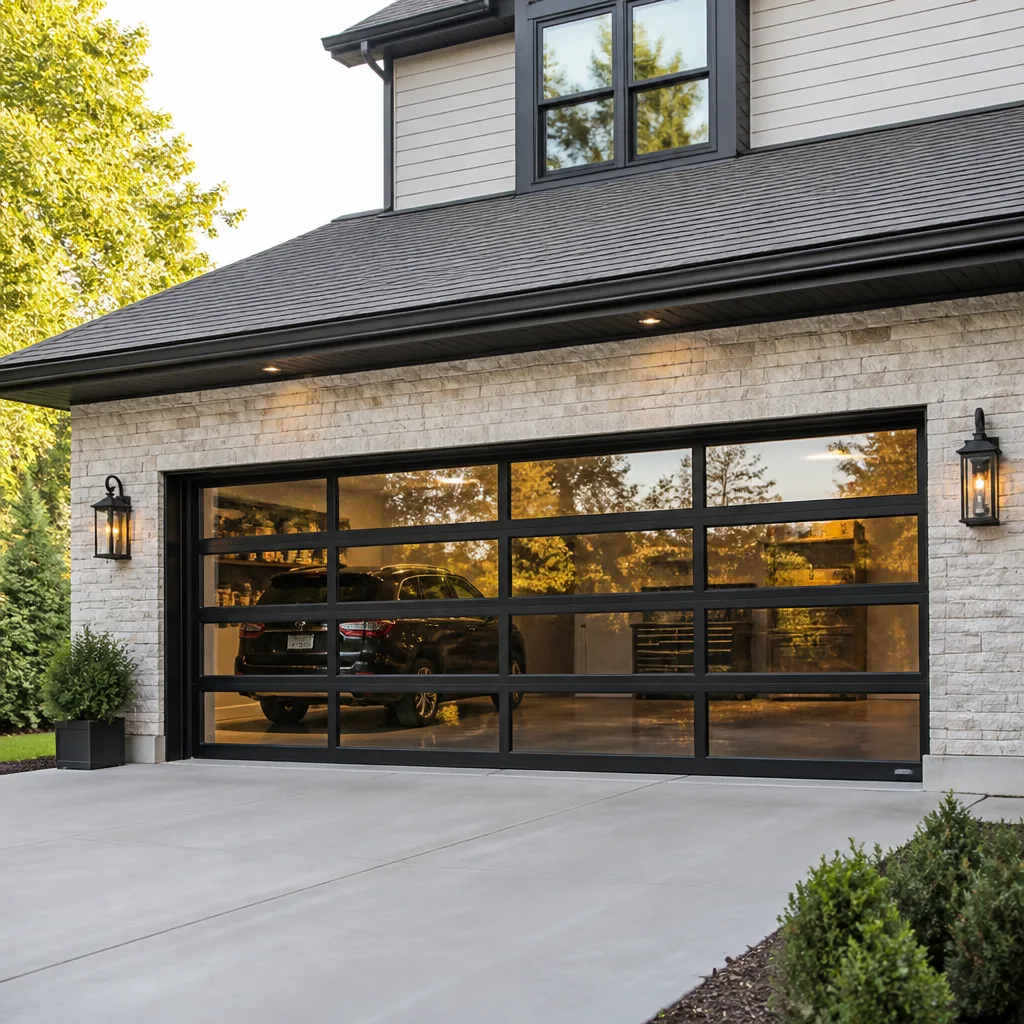 Full-view glass
 LiftMaster openers
 Chamberlain openers
Full 25-point door and opener safety check with every visit - springs, cables, rollers, tracks, and your LiftMaster or Chamberlain opener included
You get a price before we start. It does not change when the pro arrives.
Get your free estimateGarage Door Warning Signs: A Plantation Homeowner’s Reference Guide
Most warning-sign guides tell you to watch for the obvious: the door won’t open, the door is loud, the door looks crooked. That advice is late. By the time a door stops moving, the failure already happened. The signals that actually predict a costly breakdown in Plantation homes are quieter. A door that hesitates two seconds before it rises isn’t quirky. It’s a torsion spring that has lost tension and is easing toward a snap, and it usually lets go on a morning when you’re already running behind. This guide covers the early signals in the opener behavior, the cables, the spring coils, the panels and the control board, so you can read what your door is telling you before it becomes an emergency.
Quick Answer
The earliest garage door warning signs in Plantation are a two-second hesitation before the door moves, grinding or popping at the start of travel, fraying at the cable drum, a visible gap in a spring coil, and rust bleeding from the spring coil rather than sitting on it. Any of these points to a hardware problem you can catch before it strands your car or puts your family near a door under sudden tension.
Styles & brands we work with
- Raised-panel steel
- Carriage house
- Modern flush
- Full-view glass
- LiftMaster openers
- Chamberlain openers
Table of Contents
- The Two-Second Hesitation and Other Opener Warning Signs
- How to Check for Cable Fraying at the Drum
- Reading Rust on the Torsion Spring Coils
- What a Sagging Door Section Really Means
- Electrical Warning Signs Inside the Opener
- Noises, Rubbing and Track Problems That Predict Failure
- A Seasonal Warning-Sign Checklist for Plantation Homes
- Common Mistakes to Avoid
- When to Call a Professional
- Frequently Asked Questions
The Two-Second Hesitation and Other Opener Warning Signs
A garage door that pauses for around two seconds before it starts to move is one of the most useful early signs you can learn to read. On a balanced door, the opener should engage almost instantly, because it is only guiding a door that is already counterweighted by the springs. When the door hangs for a beat and then starts moving, the opener is working harder than it should. On a torsion-spring door, that hesitation often means a spring has lost a chunk of its tension. It has not failed yet, but the load has shifted onto the opener and cables, and that is the window to catch it.
There are three other opener behavior patterns worth knowing, and each one points to a different hardware fault rather than simply the door “getting old”:
- The door starts, stalls, then reverses: the opener is reading resistance. That resistance can come from a spring that has lost tension, a track the rollers are binding in, or a door that has come out of balance. The opener is doing its job by stopping, but the cause is downstream.
- The door drifts down a few inches after it opens: the travel limit has slipped or the springs are no longer holding the door fully up. On a LiftMaster or Chamberlain opener, a limit setting that was fine a month ago and isn’t now usually means the hardware moved, not the opener.
- The opener runs but the door doesn’t move: the motor turns, the door sits still, and you hear the mechanism run alone. That is a drive-train problem, usually a stripped gear or a broken carriage, not a spring. It points to the opener itself, and that is where garage door opener repair comes in.
If you can press the wall button and count a clear pause before motion, that’s the moment to call rather than wait for the door to fail outright. In Plantation, with doors in steady year-round use and warm, humid air working on the metal parts, the gap between “hesitating” and “snapped” tends to be shorter than a homeowner expects. We’ve seen that window close in weeks, not months.
How to Check for Cable Fraying at the Drum
The cable drum is the wheel at the top corner of the door frame, near the torsion shaft, where the lift cable winds as the door travels. Most homeowners never look at it, which is a shame, because it’s exactly where a failing cable announces itself. A fraying cable at the drum is one of the leading causes of a sudden, scary failure, and it gives you a visual warning long before it snaps.
Here’s the check. With the door fully closed and the opener disconnected so nothing moves, stand to the side of the door, not under it, and look at both drums:
- Look at how the cable winds. A healthy cable lays in even, parallel wraps on the drum. If you see wraps starting to overlap, cross, or pile up on one side, the cable is tracking wrong and wearing against itself.
- Look at the cable itself. A single broken strand that pokes out like a whisker means the cable is failing at that point. Two or more broken strands is a replace-now situation.
- Look at the brackets and drum edges. A cable that has rubbed against a bracket or a drum flange will be shiny, flattened or chewed on the contact side.
- Look at the bottom corners. If you can see slack or a kinked cable down at the bottom bracket, the tension has been lost somewhere above and the door may drop unevenly.
Never grab a cable to test it or to pull it back onto a drum. Cables carry the full weight of the door and are stored energy, exactly like springs. If you see fraying, broken strands or crossed wraps, treat the door as unsafe to operate and have it looked at. On Plantation doors, cables tend to wear where the drum has been slightly misaligned for a while, and that misalignment is easy to miss until the cable is already damaged.
Reading Rust on the Torsion Spring Coils
Rust on a torsion spring asks a simple question: is it cosmetic or structural? The answer is in the pattern, and it matters in a warm, humid climate where metal sweats through the year. The coil is under constant tension, so every cycle rubs the wire against itself slightly. When a fine orange-brown film sits on the coils and wipes off clean, that’s surface oxidation and usually harmless. When rust bleeds out from between the coils and leaves a crusty line, the wire is thinning and the spring is getting ready to fail.
- Surface film: a thin oxidized tint that follows the shape of the coil. Wipes off with a rag. Cosmetic.
- Coil-to-coil bleed: rust that sits in the gaps between adjacent coils and darkens with time. This is where the spring loses its strength.
- Pitting or flaking: the surface has broken up and you can feel roughness. A spring at this stage is close to the end of its life.
- Visible gap: a space between coils at one end when the door is closed is a sign the spring has lost tension or the winding has shifted. Pair this with the hesitation test.
South Florida humidity speeds up the process on springs that were never coated well to begin with. In our experience, a coil that shows coil-to-coil rust is best replaced before it snaps, because a snapped torsion spring drops the door and puts anyone nearby at risk. Springs are not a component to handle at home. If you see the rust pattern, have it checked by someone trained for it. The cost of checking is far smaller than the cost of a failed door.
What a Sagging Door Section Really Means
A door section that sags isn’t a cosmetic quirk. It’s a structural signal that something in the panel, hinge or roller system has bent or failed, and the door is no longer carrying its weight evenly. On a sectional door, each panel takes a share of the load and passes it along to the hinges and rollers at the edges. When one section sags, that share has gone somewhere else, which loads the neighboring sections and the tracks. Left alone, the door can bind, jam or come off the track under load.
A sagging section usually points to one of these causes:
- A bent or cracked hinge at the panel joint, so the section drops at the corner.
- A roller that has jumped its track or worn flat inside the hinge, letting the panel sit lower on one side.
- A bent strut behind the panel. Struts are the horizontal reinforcement bar across the top section, and a bent strut can let the whole top of the door sag.
- Impact damage from a vehicle or a slammed door that has creased one panel without breaking it.
The safety point is the important one: a sagging door is unpredictable. When a panel has already lost its line, the track is under pressure it wasn’t designed for, and a roller can pop out. If the sag is at the top section and the opener is still running, the drive force is being pushed into a bending panel. This is the point where you stop using the automatic opener and treat the door as a repair job, not a daily routine. We handle that as a garage door repair call, because a bent hinge or a jumped roller is usually a small fix if it’s caught early.
Electrical Warning Signs Inside the Opener
Some of the most confusing symptoms are the ones that aren’t mechanical at all. A dying logic board can masquerade as a spring problem, a remote problem or a wiring fault, and the sequence of behavior is what separates them. Watch how the remote and the wall button behave against each other:
- Remote stops working but the wall button still opens the door: this is almost always a remote, battery or receiver issue, not a board fault. It rarely points to the opener being near failure.
- Wall button stops working but the remote still opens the door: the wall button circuit or its wiring has a fault. On an older LiftMaster or Chamberlain unit this often traces to the wall-control terminals, not the motor.
- Both stop working at the same time, but the opener still lights up: the logic board is not responding to the button inputs. This is the sequence that most often points to a failing board, not a dead opener.
- Erratic behavior on both: lights flicker, the door runs in odd cycles, the remote works only from a certain angle. Interference or a board that is losing communication. On a Genie system, unusual behavior on both inputs together is worth a diagnostic before replacing anything.
Modern openers also talk to apps and smart-home systems. On a Chamberlain or LiftMaster MyQ setup, “the app stopped working but the remote is fine” is a network issue, while “the app stopped and the wall button stopped” is the opener. Getting that distinction right saves you the cost of replacing a healthy opener that just needed a wall-control fix. This is the kind of diagnosis that separates a garage door specialist from a general handyman.
Noises, Rubbing and Track Problems That Predict Failure
Sound is information. The types of noise your door makes at the start and end of travel tell you what kind of wear you have, and most of these sounds show up weeks before a failure. A door that’s been quiet for a year and is suddenly loud is telling you something has changed.
- A single sharp pop or bang as the door starts: a spring under load shifting or a hinge letting go. Not a noise to ignore.
- A grinding that rises with door speed: a roller that has lost its bearing and is sliding instead of rolling. The roller needs replacing before it damages the track.
- A scrape or momentary rub at one point in the travel: the door is touching the track at one spot. Often a bent track or a bent roller at that height.
- A repeated clicking after the door stops: a limit switch or travel setting that has slipped. Common on Craftsman units whose buttons or limits have drifted.
- A low hum with no movement: the motor is trying to start but the drive is jammed or the capacitor has failed. Stop pressing the button and call for service.
Track damage is the one homeowners most often try to live with. A bent track is worth fixing early, because a door that rubs a track for weeks will eventually wear through a roller, then jam, and the fix grows. On Plantation homes, the tracks are exposed to the same warm, humid air as the rest of the system, and misaligned tracks show up as rubbing sounds rather than visible bends. If you can hear a rub but you can’t see a bend, that’s normal and why we diagnose with the door.
A Seasonal Warning-Sign Checklist for Plantation Homes
A quick walkaround on a schedule is the cheapest maintenance a garage door owner can do. Once a month, or after any severe storm or a long stretch of the door being used heavily, spend five minutes on these checks. Do them with the door fully closed and the opener disconnected.
- Run the door once and listen. Note any new sound at the start, at the middle travel, and at the end. Compare it to last month.
- Test balance. Disconnect the opener and lift the door by hand to about halfway. It should feel steady, not heavy, and should hold when you let go. If it drops or rises on its own, the springs are out of balance.
- Look at the spring coils. Look for the rust pattern, a visible gap or a coil that looks thicker on one end. Do not touch it.
- Look at the cable drums at both top corners. Check for crossed wraps, protruding strands and shiny rub marks on the drum edges.
- Check the panels and hinges. Sight down the door for a sagging section, and look at the hinges for cracks or screws backing out.
- Check the safety reverse. With the door moving down, pass something under the beam of the photo eyes and confirm the door reverses. A door that doesn’t reverse is a hazard.
- Watch the remote and wall button side by side. Both should work every time. If one fails, note which one, because the sequence tells you whether the problem is the remote, the wiring or the opener.
Log the date and what you saw. Warning signs are trends, not single events, and a note that says “hesitates more than last month” is worth more than any single observation. When something looks wrong, bring the log to the call and describe it. That gets the right diagnosis faster.
Common Mistakes to Avoid
- Trying to tighten or pull a spring by hand. Torsion springs carry stored energy and can cause serious injury. Any spring work belongs with trained technicians, not a wrench and a video tutorial.
- Bumping the opener until the hesitation becomes a jam. Every button press on a failing spring puts more load on the cables and the opener. When the door hesitates repeatedly, stop cycling it and book a diagnostic.
- Ignoring crossed cables on the drum. It’s easy to assume the wrap looks “close enough.” It isn’t. A crossed wrap means the cable is wearing against itself and is closer to snapping than you think.
- Treating rust on the spring as cosmetic without checking. A surface film is harmless, but rust in the gaps and flaky pitting is not. The difference is worth a trained set of eyes.
- Replacing the opener to fix a hardware problem. If the door hesitates or sags, a new opener won’t fix it. Diagnose the door first, and only replace the opener if the opener itself has failed.
- Letting a sagging door run for weeks. A bent hinge or a jumped roller is a small repair now. Let it run and it becomes a track, panel or roller problem.
- Calling a general handyman for a spring or cable job. Springs and cables are the specialized side of garage doors, and a specialist working the right job is safer and faster. This is why we focus on the door and opener system specifically, rather than branching into general home repair.
When to Call a Professional
Call for help the moment the door hesitates twice, shows a gap in the spring, or has a visible broken strand at the drum. Those three signs point to a component under stored energy, and they are worth a trained set of hands. Call if you hear a pop, if a section sags, if the door won’t stay open when you test it, or if the opener runs alone with the door not moving. Call if the remote and wall button fail together, since that pattern points to a dying board. And call if you’ve had a near-miss. A door that looks odd and then goes back to working is still a door to check.
Plantation Garage Door Repair Pros offers free estimates in Plantation. Our technicians have up to 9 years of experience, and we work across LiftMaster, Chamberlain, Genie, Clopay and the other major brands so we diagnose what you already have instead of pushing a replacement. Call (866) 937-8852 for a free estimate.
Frequently Asked Questions
The clearest signs are a two-second hesitation before the door moves, a visible gap between coils at one end of the spring, and a rusty line bleeding from between coils rather than sitting on the surface. Any of these means the spring has lost tension and should be checked before it snaps. Call (866) 937-8852 for an estimate, because spring work is the one job you should never attempt yourself.
It means the opener is fine and the problem is with the remote, its battery, or the receiver that listens for it. This is usually a small fix, not a sign the opener is failing. If the pattern flips and the remote works while the wall button doesn’t, the wall-control wiring or terminals are the likely cause, which is where our garage door opener repair service can help.
Surface rust is a thin orange film you can wipe off the coil, while a failing spring shows rust packed into the gaps between coils, plus pitting or flaking you can feel. Coil-to-coil bleed is the pattern to take seriously in Plantation’s humid air. If the coil is rusty at the joints, have it inspected; springs under stored energy aren’t a do-it-yourself part.
No. A sagging section means a hinge, roller or strut has bent or failed, and the load on the door isn’t even. Running the door on a sagging section pushes the imbalance into the tracks and the other panels, and the damage grows. Have it assessed before you keep operating the door.
Do the five-minute walkaround once a month, and again after any severe storm or heavy-use stretch. That’s enough to catch a trend, such as a door that hesitates more than last month. Note what you see and the date, because warning signs are a pattern rather than a single event.
Almost never. With the opener running and the door still, the likely cause is a stripped gear, a broken carriage or a failed drive, all within the opener’s own mechanism. If the door hasn’t fallen and the springs are fine, this points to a repair, not a full garage door installation. Call and describe what you see and we can steer you to the right fix.
The Bottom Line
The signs that predict a costly door failure are almost never the ones homeowners watch for. The two-second hesitation, the crossed cable on the drum, the rust in the gaps of the spring coil, the section that sags, and the remote-then-wall-button pattern that points to a dying logic board each tell you something specific. Read them, log them, and act while the fix is still small. The early check is cheaper than the 7 a.m. emergency every time. Our team at Plantation Garage Door Repair Pros works on what you already have, across the major brands, so the door stays reliable and the fix sticks.
When a warning sign looks serious, don’t wait for the door to fail. Call (866) 937-8852 for a free estimate and a straight diagnosis of what your door needs.
Written by the team at Plantation Garage Door Repair Pros.
See the difference
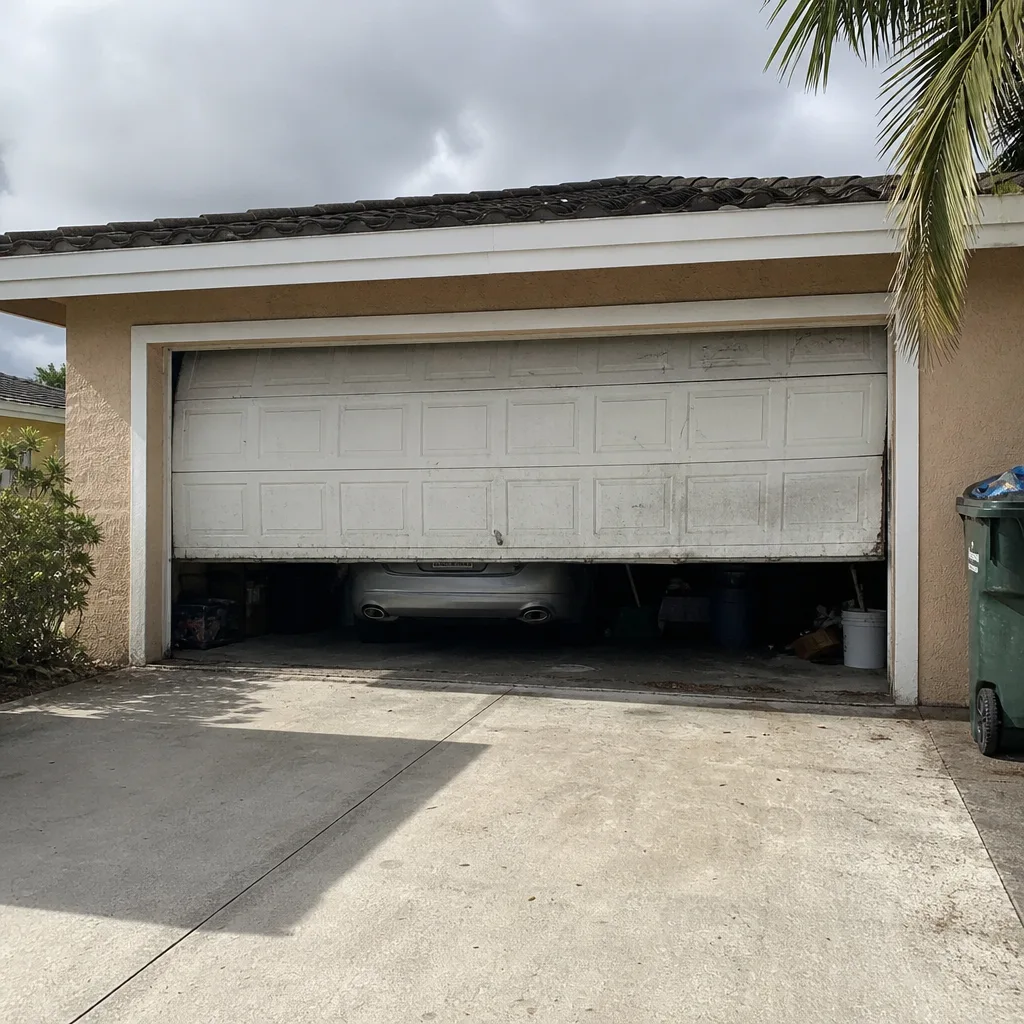 Before
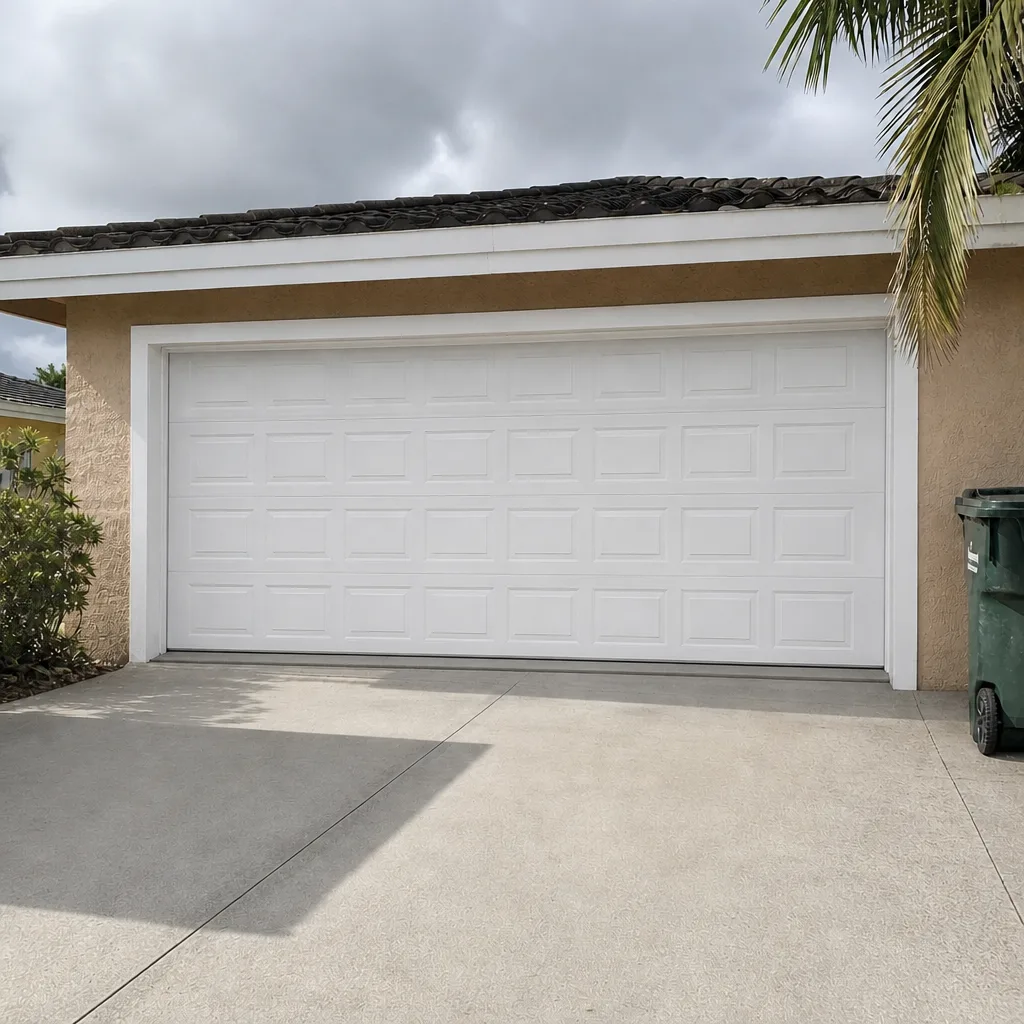 After
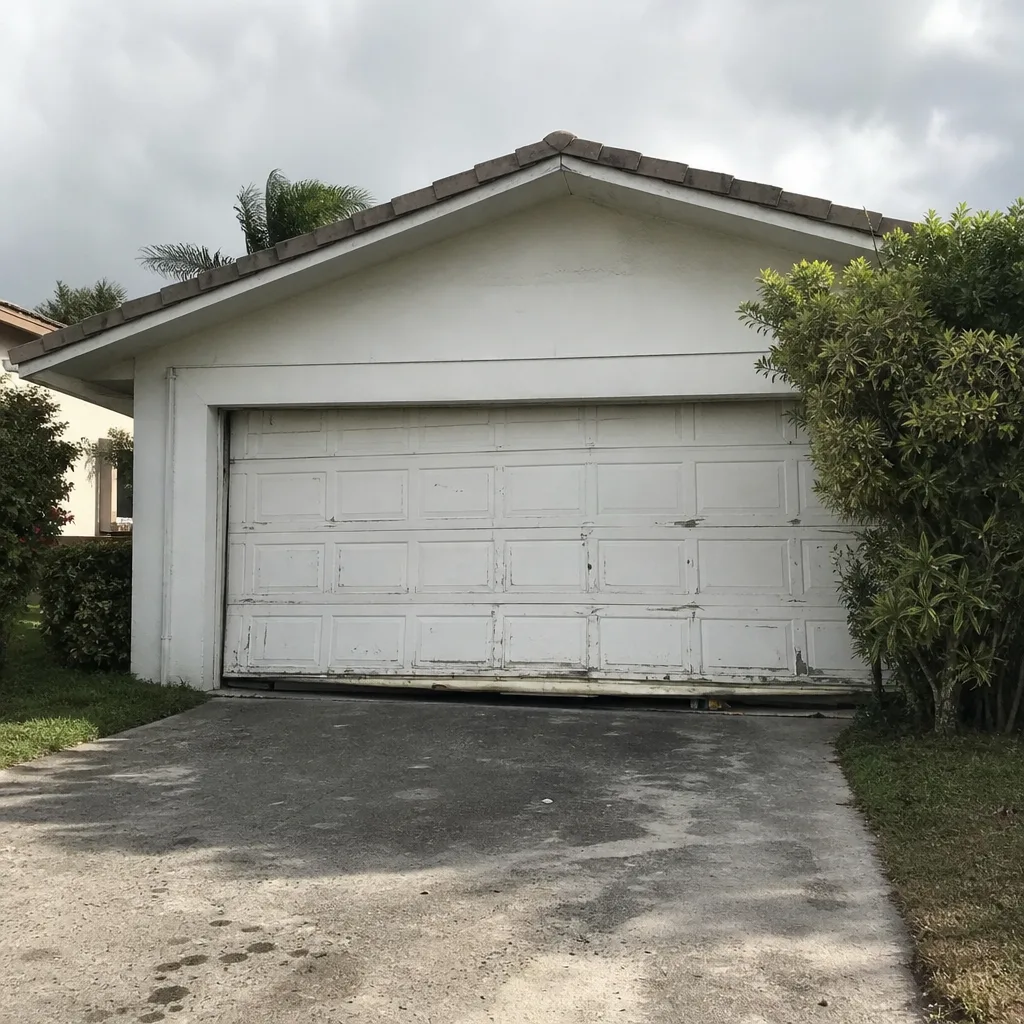 Before
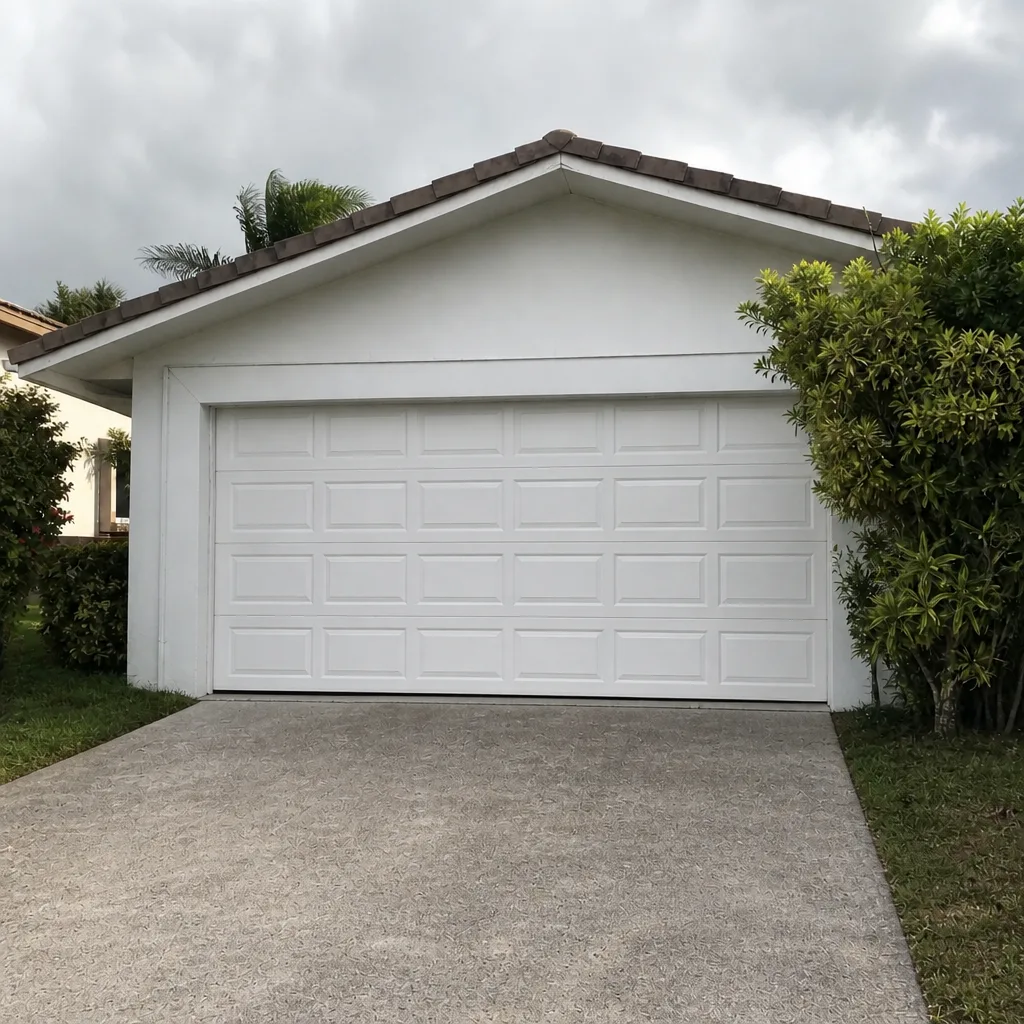 After
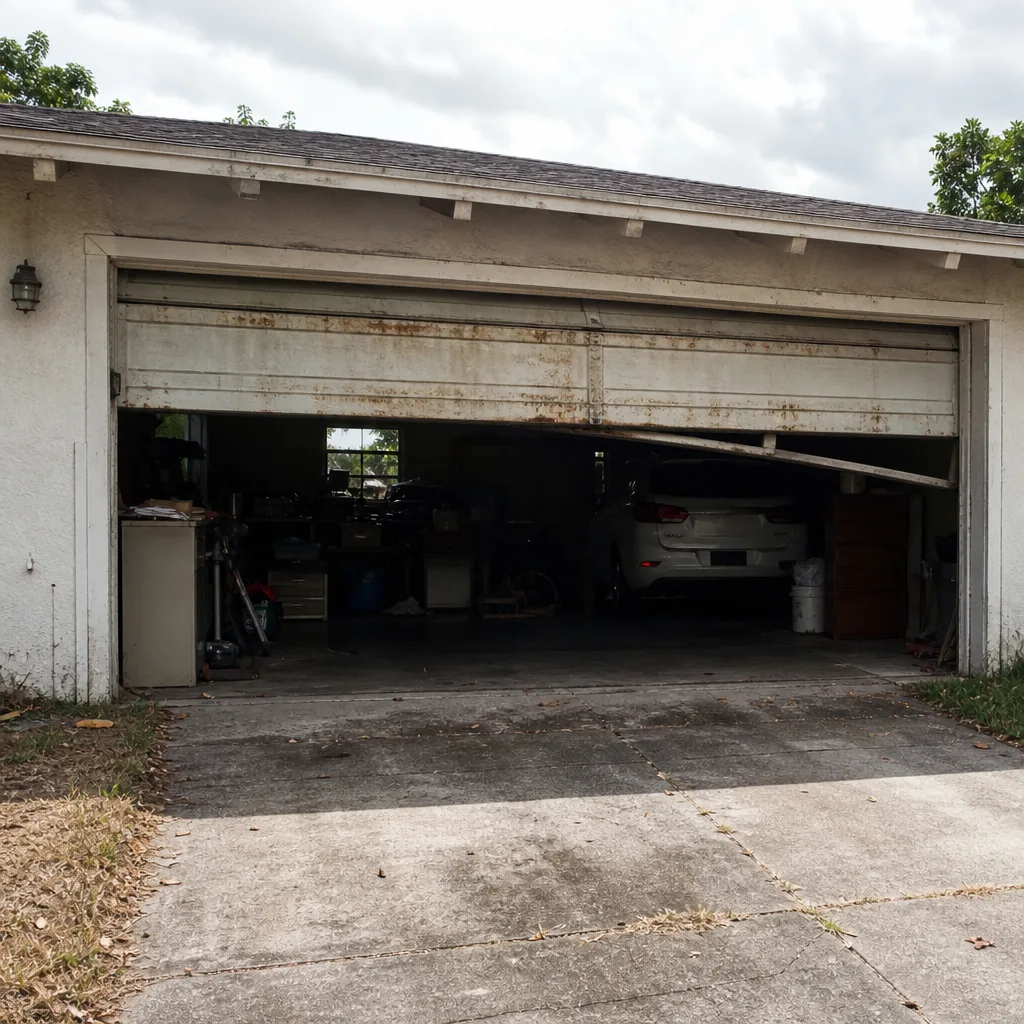 Before
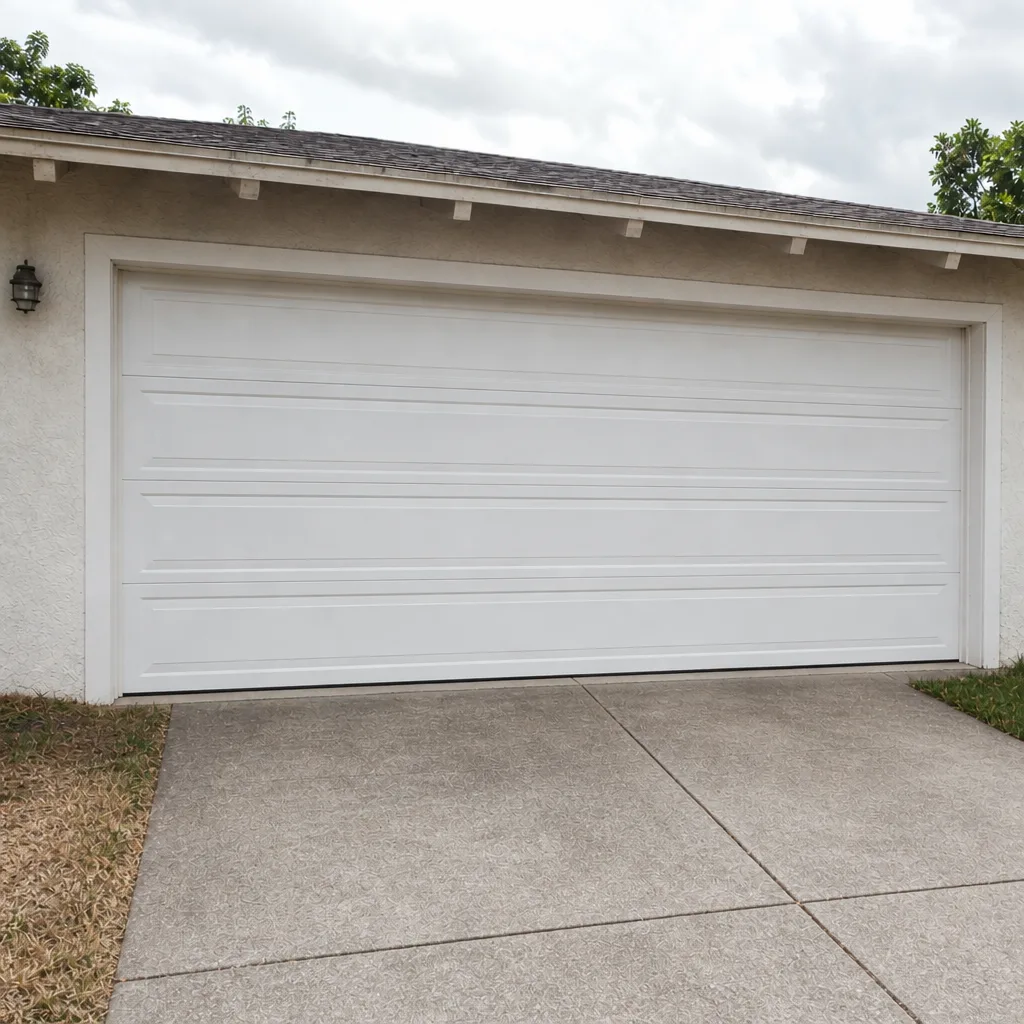 After