Last updated November 22, 2026
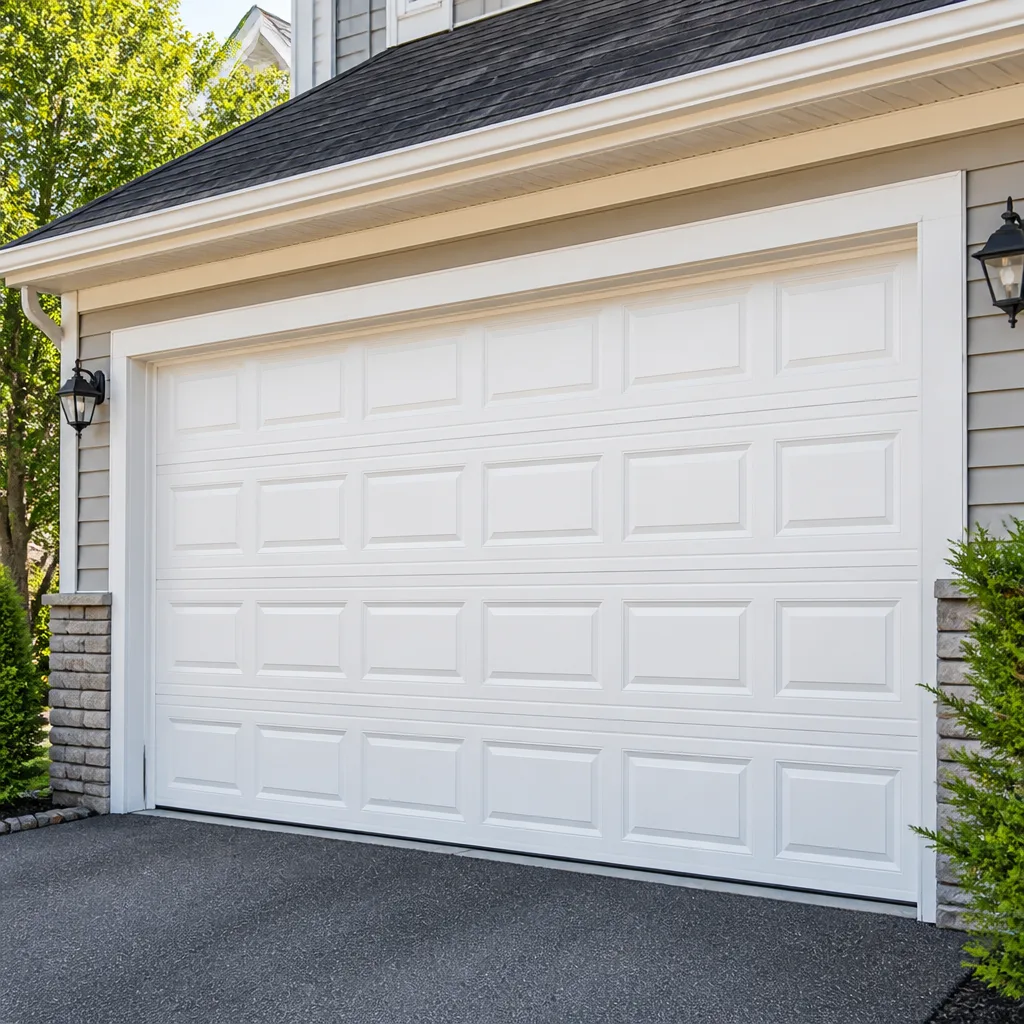 Raised-panel steel
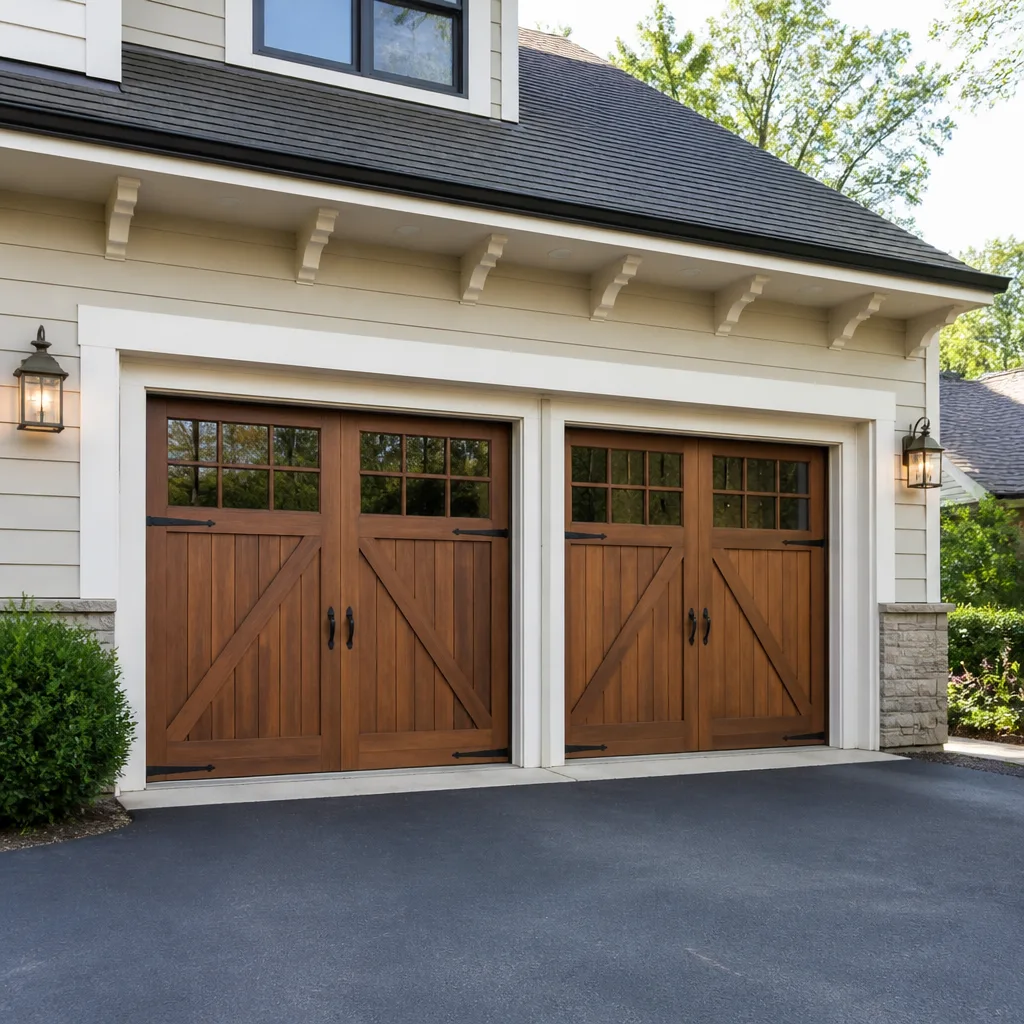 Carriage house
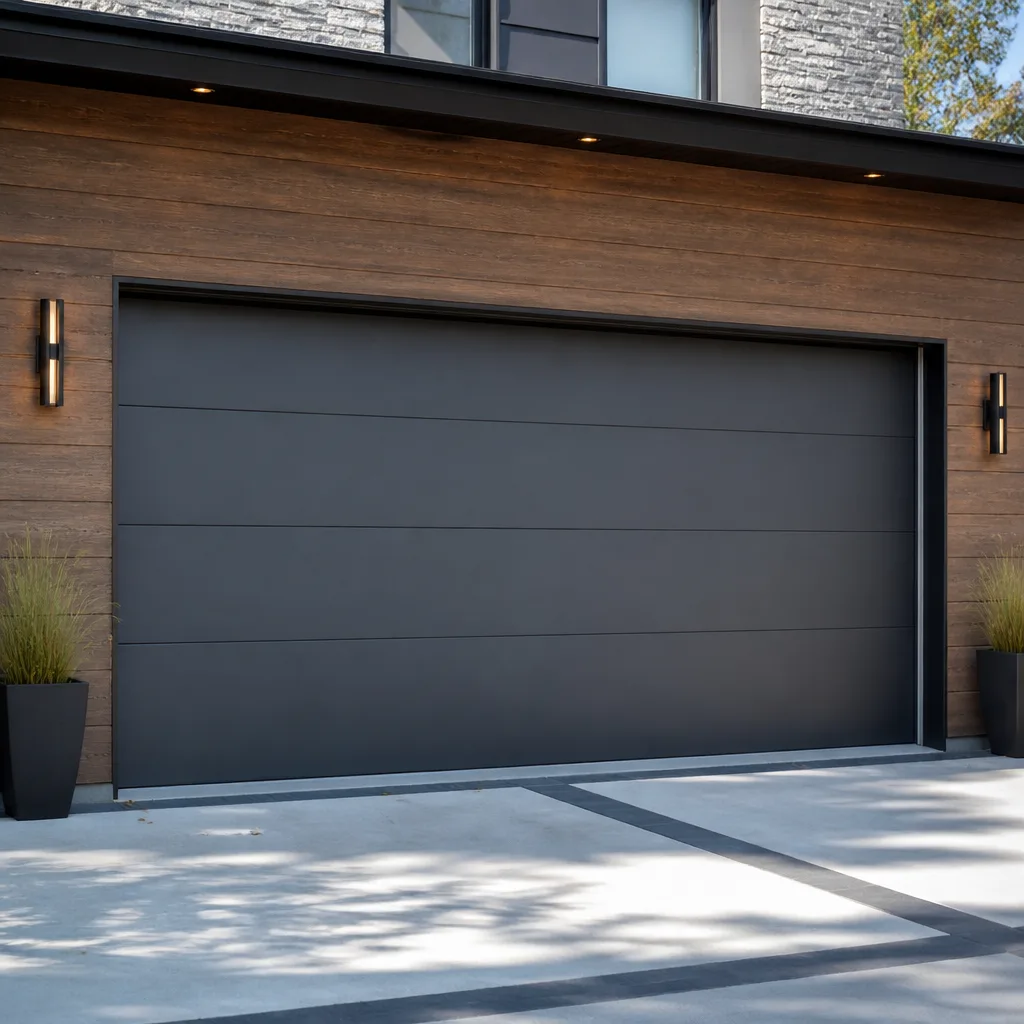 Modern flush
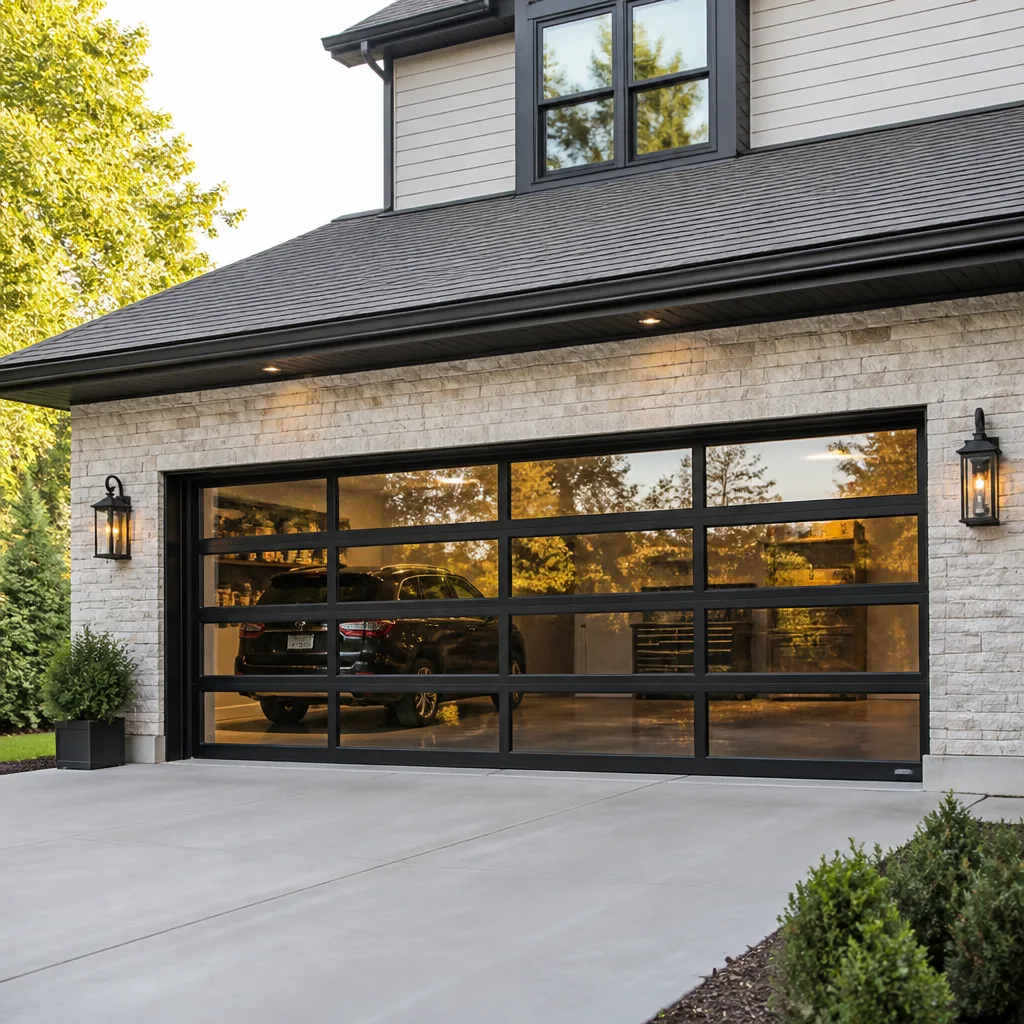 Full-view glass
 LiftMaster openers
 Chamberlain openers
Full 25-point door and opener safety check with every visit - springs, cables, rollers, tracks, and your LiftMaster or Chamberlain opener included
You get a price before we start. It does not change when the pro arrives.
Get your free estimateSeasonal Garage Door Care for Plantation: Year-Round Homeowner’s Guide
Most seasonal garage door guides were written for a place with four recognizable seasons. Plantation doesn’t have those. What we have is a dry season, a wet season, and a hurricane window – and each one loads the door differently. The mistake we see most often is a homeowner treating June through November like ordinary “summer,” when it’s really 100-plus door cycles a month in 92-degree heat and heavy humidity, with a named storm always somewhere on the forecast. The mechanical stress is nothing like what a cool-climate checklist assumes. In this guide, we’ll walk through what to check and when, month by month, so your door keeps working through a Plantation year instead of failing at the worst possible moment.
Quick Answer
Seasonal garage door care in Plantation comes down to three windows, not four. Before hurricane season (April-May), check wind-load hardware, tracks, and anchor points so the door can hold its rated pressure. During the wet season (June-October), manage humidity and condensation around opener electronics. In the dry season (November-March), re-check spring tension as cooler overnight air shifts the balance on doors set up for summer loads. An annual hardware inspection calibrated to South Florida’s corrosion rate catches the rest.
Styles & brands we work with
- Raised-panel steel
- Carriage house
- Modern flush
- Full-view glass
- LiftMaster openers
- Chamberlain openers
Table of Contents
- Why Plantation’s “Seasons” Aren’t What Most Guides Describe
- Pre-Hurricane Season Checklist (April-May)
- Wet Season Care (June-October): Humidity, Condensation, and Electronics
- Dry Season Care (November-March): Spring Tension and Cooler Nights
- Post-Storm Inspection: Damage That Looks Cosmetic but Isn’t
- Annual Hardware Replacement Timeline for Plantation’s Corrosion Rate
- Brand-by-Brand Notes: LiftMaster, Chamberlain, Genie, and Raynor
- A Year-Round Maintenance Calendar at a Glance
Why Plantation’s “Seasons” Aren’t What Most Guides Describe
If you search for a seasonal garage door guide, you’ll get advice built around freezing temperatures, snow load, and road salt. None of that applies here. Plantation’s year is organized around moisture and storms, not cold. The dry season runs roughly November through March, the wet season June through October, and hurricane season overlaps the wettest, hottest stretch. Those three windows stress a door in completely different ways.
Heat and humidity attack metal hardware, springs, and opener circuit boards. Storm season tests the structural integrity of the door as a wind barrier. Cooler, drier nights change how a torsion or extension spring carries the door’s weight. A door that was tuned in July can feel noticeably different in January, and that drift is normal – it just needs to be caught before it wears the opener or the springs.
Here in Plantation, the housing stock matters too. A lot of homes around the city have attached garages that share a wall with conditioned living space, which means garage humidity affects the whole house. Doors also get heavy daily use – families coming and going, property managers cycling doors at multi-unit properties – so the mechanical wear adds up faster than a seasonal guide written for a two-car suburban garage would assume. We work on what you already have, whatever the age or brand, and the calendar below is built around what actually wears out here.
Pre-Hurricane Season Checklist (April-May)
April and May are the window to make sure your door can do the one job that matters most when a storm is named: hold as a wind barrier. A garage door is one of the largest openings in a house, and a door that fails under wind load becomes a structural problem, not just a broken door. These are the checks that separate a door that survives from one that doesn’t.
- Inspect the tracks for alignment and looseness. A door that rattles or drifts off-center is telling you the tracks have shifted. Under wind pressure, a misaligned track lets the door bow and pull free.
- Check every hinge, roller, and anchor bolt. Look for loose fasteners, rust bloom, and cracks at the mounting points. These connections carry the door’s wind load, so a loose bolt is a serious finding, not a minor annoyance.
- Test the door’s balance by hand. Disconnect the opener and lift the door halfway. It should stay put. If it drops or rises on its own, the springs are out of balance and the door is under uneven load.
- Confirm the door’s wind rating and labeling. If your door is rated for high-wind performance, the rating depends on the whole assembly staying intact. Ask us or your manufacturer what your door was rated for and whether the hardware still matches it.
- Verify the opener’s force and travel settings. A door that needs extra force to close is fighting friction or a spring problem, and it will struggle even harder against storm pressure.
- Clear the photo-eye sensors and test the auto-reverse. This is a safety check, but it’s also a reliability check – a door that reverses on its own during a storm is a liability.
If any of these checks turn up something you’re not sure about, that’s exactly the kind of pre-season inspection worth a call. We handle garage door repair across Plantation and can tell you whether your door is storm-ready or needs attention first.
Wet Season Care (June-October): Humidity, Condensation, and Electronics
June through October is when Plantation’s humidity does its quiet damage. The problem most homeowners miss is condensation inside the garage and, more specifically, inside the opener housing. Warm, moist air meets cooler surfaces, and moisture collects on circuit boards, terminals, and the low-voltage wiring that runs the safety sensors. That’s where a lot of “mystery” opener failures come from – a board that works fine in the dry season starts acting up in the wet one.
Here’s what actually helps during the wet season:
- Improve airflow through the garage. A small fan or a vent that lets humid air escape reduces the condensation that forms on metal and electronics. If your garage has no ventilation at all, that’s worth addressing.
- Keep the opener housing dry and clear. Don’t stack stored items against the opener or block the vents on the motor unit. The unit needs to shed heat and moisture.
- Watch for water intrusion at the door threshold. A door that doesn’t seal at the bottom lets driven rain in, and a wet floor keeps humidity elevated for days. Check the bottom seal and weatherstripping before the season starts.
- Listen for new noises. Humid air accelerates corrosion on hinges, rollers, and the torsion bar. A door that starts squealing in July is telling you the lubrication and hardware condition need attention.
- Check the safety sensors more often. Condensation and dirt on the photo-eye lenses cause phantom reversals. A quick wipe is usually enough, but a sensor that keeps acting up needs a closer look.
This is also the season when an opener that was already marginal gives out. If your LiftMaster or Chamberlain opener is older and starts behaving erratically in the humidity, that’s typically an electronics or sensor issue and not something to ignore. We handle garage door opener repair for every major brand, so we can diagnose what’s actually failing rather than guess at a replacement.
Dry Season Care (November-March): Spring Tension and Cooler Nights
When the overnight temperatures drop in November, a garage door set up for summer loads can drift out of calibration. Metal contracts slightly in cooler air, and springs that carried the door’s weight comfortably in July can feel stiffer or slacker by January. That shift is normal physics, but a door that isn’t re-checked will quietly wear its opener, its rollers, and eventually its springs. The telltale signs are a door that slams down, one that won’t stay up when you lift it by hand, or an opener that seems to work harder to open the door.
What to do during the dry season:
- Re-test balance by hand. Disconnect the opener and lift the door to the halfway point. It should hold. If it rises or falls, the tension needs adjusting.
- Watch for uneven opening. A door that opens crooked, or one side leading the other, points to spring or cable issues that should be looked at by a technician.
- Lubricate hinges, rollers, and the torsion bar with a product made for garage door hardware. Dry air and dust let moving parts run dry faster than you’d expect.
- Inspect the springs for wear. Look for gaps, rust, or a stretched look. A worn spring is a safety issue, and it’s the one part of this system we tell homeowners never to adjust themselves.
- Check door seals and the bottom weatherstripping before the dry, dusty months set in, since a good seal keeps grit and debris out of the tracks.
We need to say this plainly: torsion springs and the cables under tension are the most dangerous parts of a garage door, and adjusting them is not a homeowner job. A spring under load can cause serious injury if it’s handled wrong. When the dry season exposes a tension or spring problem, that’s a job for a trained technician, and it’s one we specialize in. Springs, openers, panels – handled by specialists, not generalists.
Post-Storm Inspection: Damage That Looks Cosmetic but Isn’t
After a named storm or a strong squall passes through Plantation, the visible damage is the easy part. The dangerous part is the damage that looks cosmetic. A door that appears fine can have bent tracks, stretched springs, or loosened anchors that quietly compromised its wind-load integrity. The door still opens and closes, so it seems okay – until the next storm, when it isn’t. This is the pattern we look for most carefully in the days after a storm.
Walk through this inspection after any significant wind event:
- Look for a bowed or dented door panel. Even a small dent can mean the panel lost some of its structural stiffness. Check whether the door still sits flush in the opening.
- Inspect the tracks for bends, gaps, or gaps at the fasteners. A track that got pushed is a wind-load failure waiting to happen, even if the door still rolls.
- Check the anchor points and the header. Look for cracks in the mounting hardware, pulled fasteners, or movement where the track attaches. This is the connection that keeps the whole assembly in the opening.
- Look at the springs and cables. A stretched spring or a cable that’s slipped its drum is a stop-driving-it situation. Don’t run the door until it’s been checked.
- Test the seal and bottom weatherstripping. A storm that drove water in will show up as a soaked threshold, which points to a failed seal.
- Test the opener and safety reverse. Wind can knock the door out of travel alignment, and a door that no longer reverses correctly is a safety problem.
If anything on that list is uncertain, the safe move is to keep the door closed and have it looked at. We offer emergency garage door service for exactly these situations, so you’re not stuck with a door you can’t trust.
Annual Hardware Replacement Timeline for Plantation’s Corrosion Rate
Manufacturer recommendations for hardware replacement are written for an average climate. Plantation’s warm, humid air accelerates corrosion on steel hinges, rollers, and fasteners, so the “average” timeline is longer than what actually serves a door here. This is one of those places where a national care guide will steer you wrong if you follow it literally. Below is a practical replacement timeline built around how hardware actually wears in South Florida.
Roughly every year:
- Lubricate hinges, rollers, and the torsion bar with garage-door-appropriate lubricant.
- Inspect and replace worn bottom weatherstripping and door seals as needed.
- Check the safety sensors, force settings, and auto-reverse.
Roughly every two to three years:
- Inspect rollers for flat spots, cracks, and corrosion; replace worn sets.
- Check hinge wear and replace hinges that have loosened or rusted.
- Inspect the torsion or extension springs for wear, even if the door still works.
Roughly every five to seven years, or sooner in humid conditions:
- Consider replacing the full set of rollers and hinges together, since corrosion tends to hit them as a group.
- Have the springs professionally evaluated. Spring life depends heavily on cycle count, and a high-use door in Plantation can wear springs faster than the national average.
- Evaluate the opener. Even a reliable LiftMaster or Genie unit has a service life, and an opener that’s struggling against aging hardware wears out faster.
Treat these as checkpoints, not a calendar you can set and forget. A property manager cycling a door dozens of times a day will hit these marks sooner than a household that leaves once in the morning and comes back at night. The right answer is to inspect on schedule and replace based on what the inspection finds.
Brand-by-Brand Notes: LiftMaster, Chamberlain, Genie, and Raynor
Seasonal care works best when it’s matched to the specific equipment in your garage. We work across all eight major manufacturers – LiftMaster, Chamberlain, Genie, Clopay, Amarr, Wayne Dalton, Craftsman, and Raynor – and the seasonal quirks vary enough that a brand-agnostic approach actually matters. A generic checklist misses the brand-specific details that tell you what’s failing.
A few notes on the equipment we see most in Plantation garages:
- LiftMaster and Chamberlain: These share a lot of design lineage, including the MyQ connectivity ecosystem. In the wet season, we see sensor and board issues tied to humidity, and in the dry season, travel and force settings that drift as the door’s balance changes. Keep the opener housing clear and the photo-eyes clean, and check the app connection after a storm.
- Genie: Genie units, including the Aladdin-connected models, are generally solid but sensitive to safety-sensor alignment and to the door’s balance. A door that’s out of tension in the cooler months puts extra load on the Genie’s drive system.
- Raynor: Raynor doors and openers show up in some of the larger and older Plantation garages. Older Raynor hardware benefits most from the annual corrosion check, since worn rollers and hinges put extra strain on the opener.
- Smart openers in general: If your opener connects to a smart-home system – LiftMaster/Chamberlain MyQ, Genie Aladdin – test the connection after any storm or power event. A door that won’t respond to the app is usually a connectivity or sensor problem, not a dead motor.
Whether it’s a LiftMaster opener or a Clopay panel, we know it cold. We diagnose what’s already installed rather than pushing a replacement, and that includes the openers and hardware from every brand above.
A Year-Round Maintenance Calendar at a Glance
Here’s the whole Plantation calendar in one place, so you can plan care around the seasons instead of reacting to a breakdown.
- April-May (pre-hurricane window): Full wind-load inspection, tracks, anchors, hinges, and springs. Test safety reverse. Confirm the door’s wind rating is intact.
- June-October (wet season): Manage humidity and airflow. Clean the safety sensors, keep the opener housing dry, and watch for electronics that act up in the moisture.
- November-March (dry season): Re-test balance, lubricate moving parts, inspect springs, and check seals before the dry, dusty stretch.
- After any named storm: Run the post-storm inspection and keep the door closed if anything looks off.
- Once a year, on schedule: Lubrication, seal check, and a full hardware inspection by a technician.
- Every two to three years: Roller and hinge evaluation; spring inspection.
- Every five to seven years: Full hardware refresh and opener evaluation.
If you’d rather not track all of this yourself, that’s what we’re here for. Our technicians have up to 9 years of experience and can walk your door through a full seasonal check in one visit.
Common Mistakes to Avoid
- Applying a northern seasonal guide to a South Florida door. Freeze-thaw advice, snow-load checks, and salt-air rules don’t apply here. Following them wastes time and skips the humidity and storm checks that actually matter.
- Adjusting torsion springs yourself. This is the single most dangerous mistake a homeowner can make with a garage door. Springs and cables under tension can cause serious injury, and the correct fix requires the right tools and training.
- Ignoring a door that looks fine after a storm. Bent tracks, stretched springs, and loosened anchors don’t always show up visually. A door that opens smoothly can still have lost its wind-load integrity.
- Letting the wet season’s condensation go unaddressed. A garage with no airflow keeps moisture on opener boards and sensor terminals for months, which is how a good opener develops a mystery fault.
- Skipping the dry-season balance check. Cooler overnight temperatures shift spring balance, and a door that’s out of tune loads the opener and accelerates wear on every cycle.
- Waiting for a breakdown before calling anyone. A spring that fails while the door is up can drop the door; a pre-season inspection is far cheaper than an emergency call.
- Greasing the wrong parts. Using the wrong lubricant on tracks or springs attracts grit and causes binding. Use a product made for garage door hardware and apply it to hinges, rollers, and the torsion bar – not the tracks themselves.
See the difference
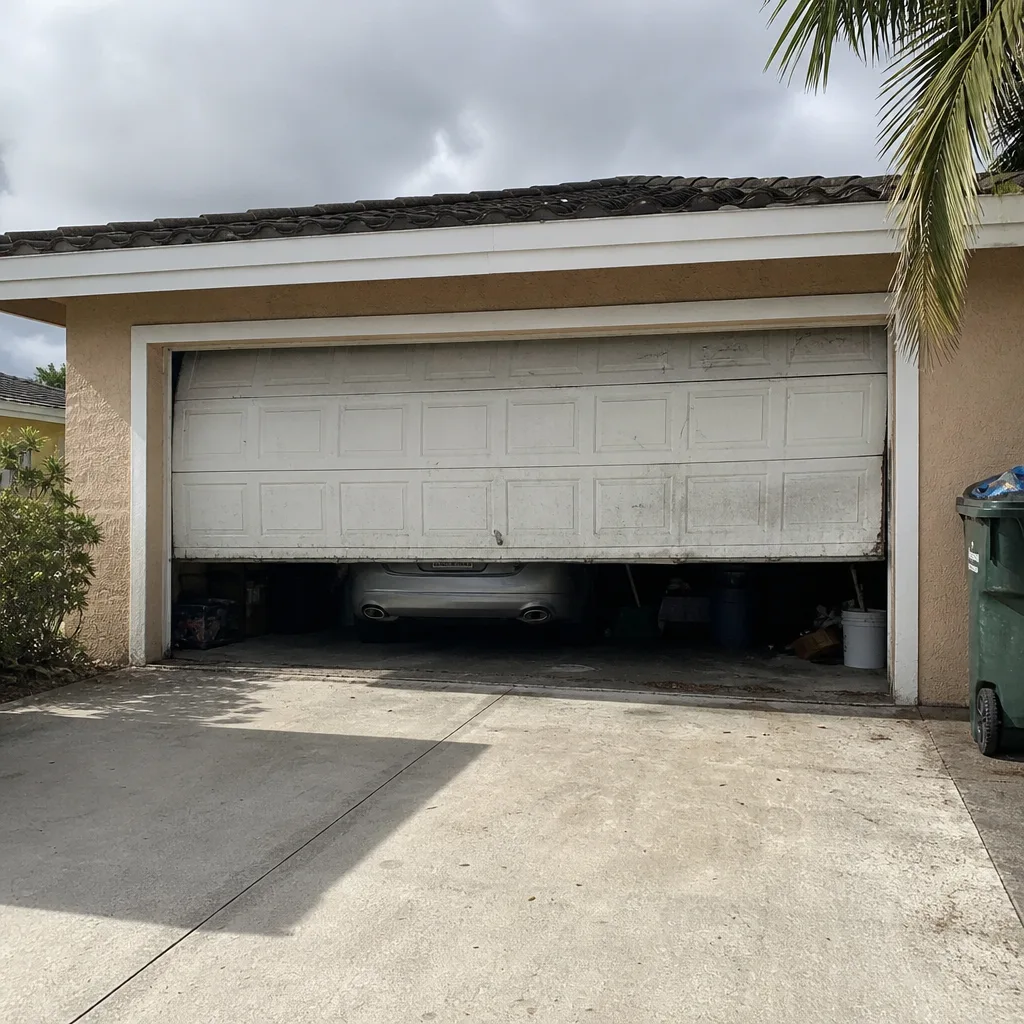 Before
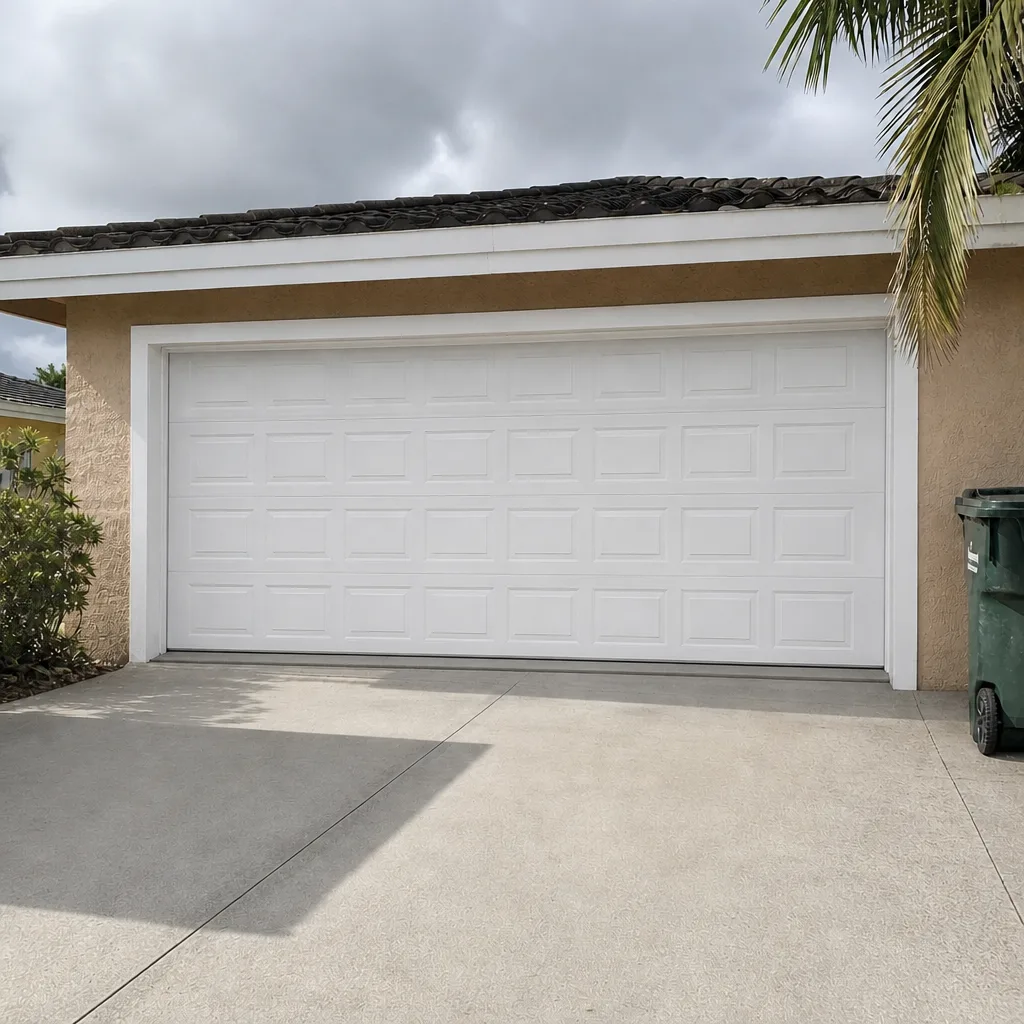 After
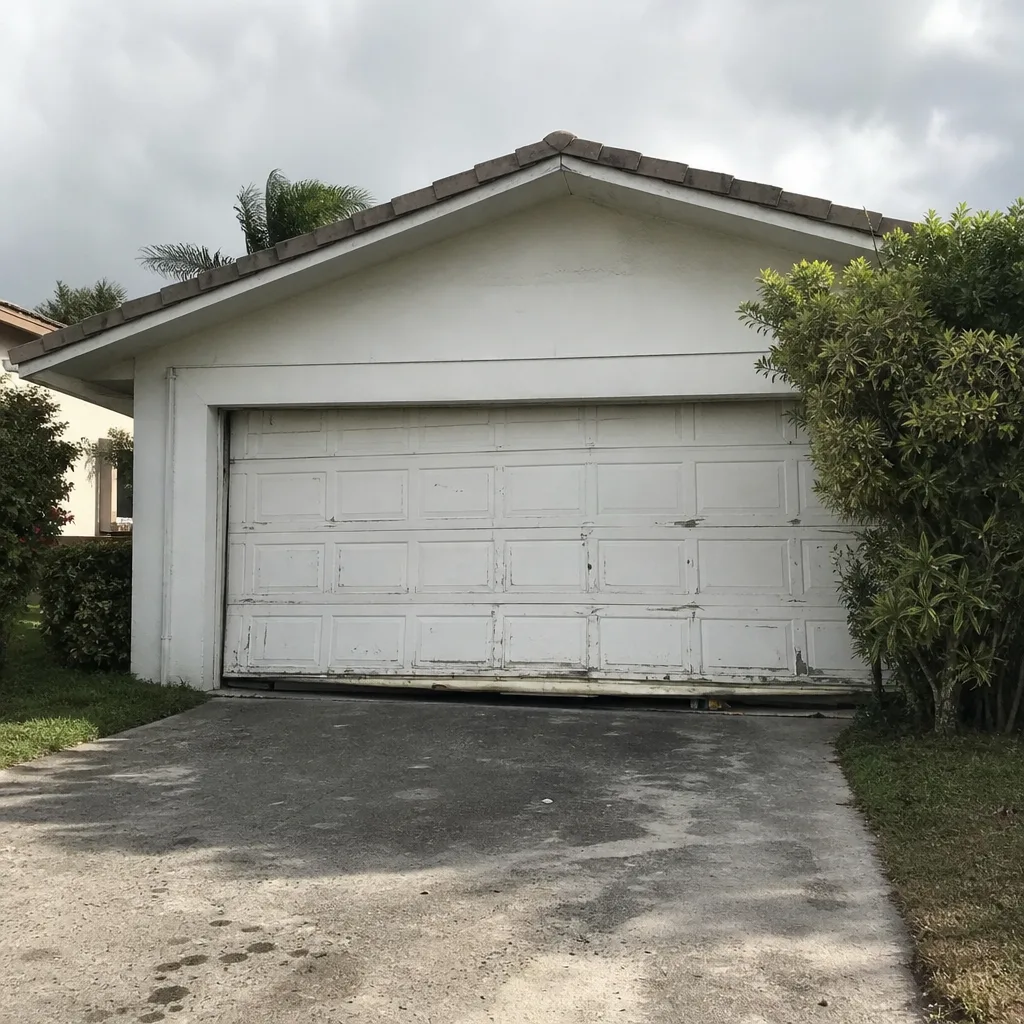 Before
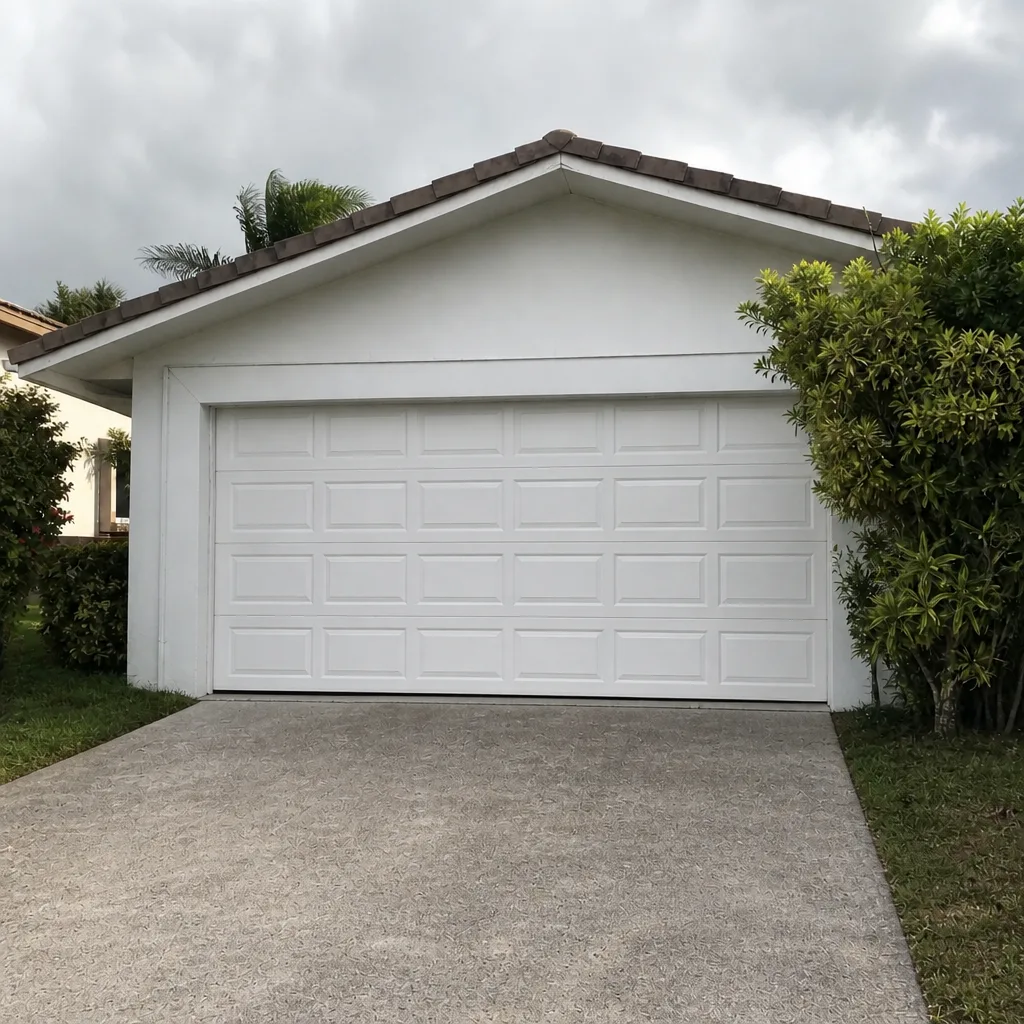 After
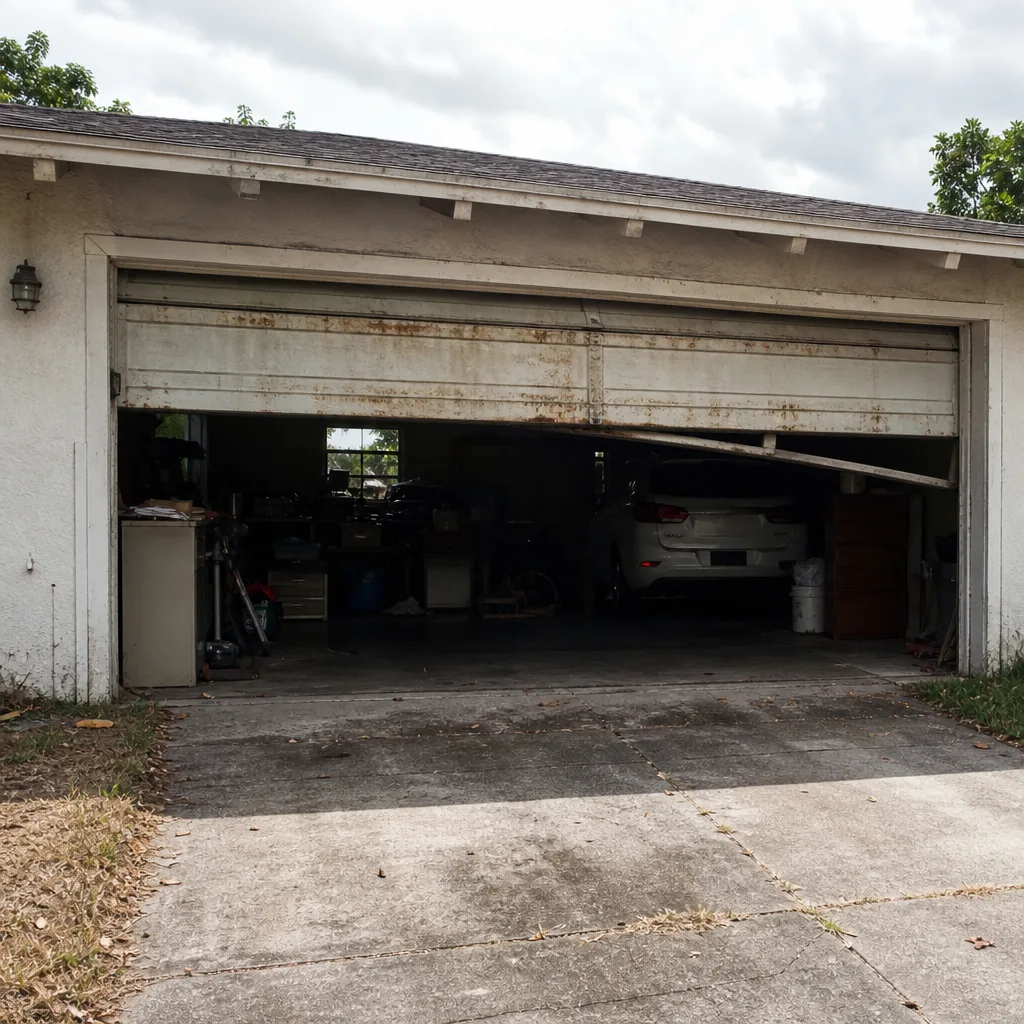 Before
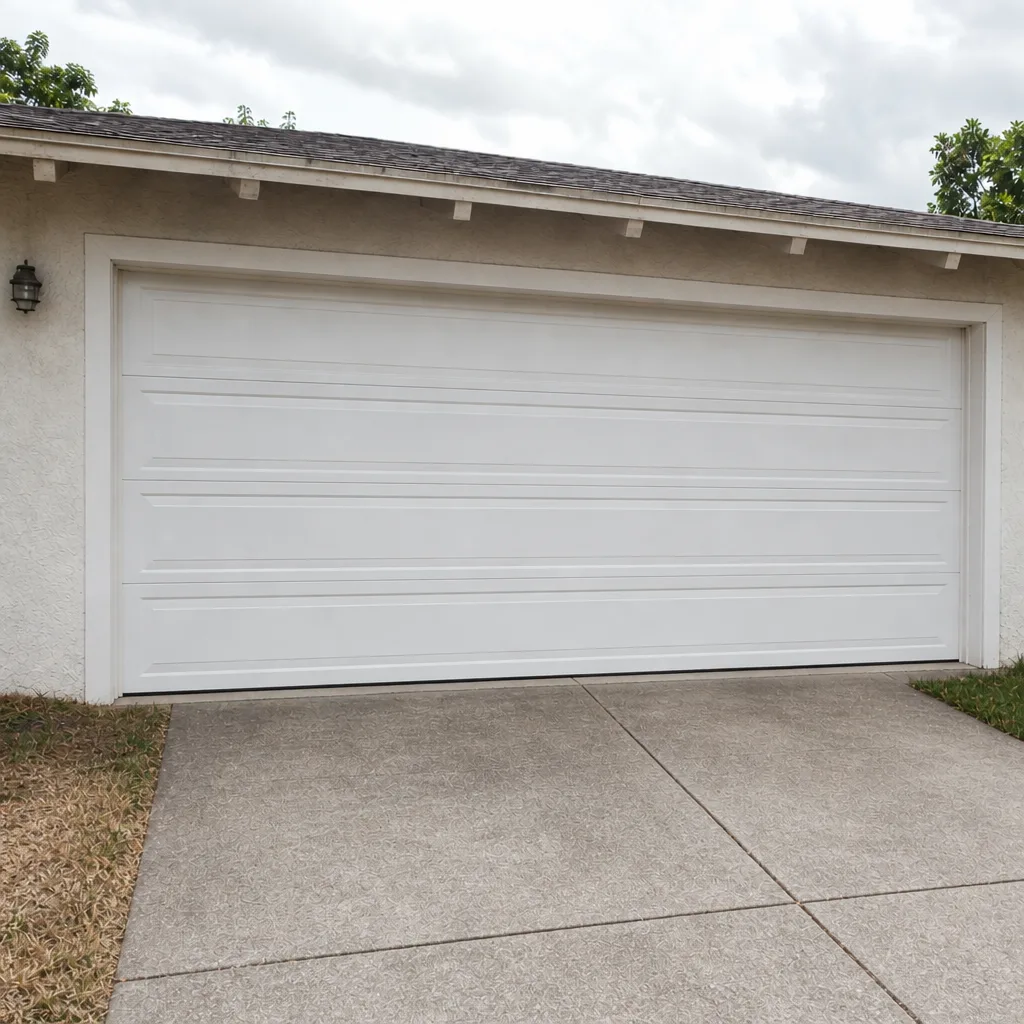 After
When to Call a Professional
Some seasonal checks are safe to do yourself: wiping safety sensors, inspecting tracks for obvious bends, clearing stored items away from the opener, and testing the auto-reverse feature. The moment the issue involves springs, cables, opener electronics, or anything under tension, it’s time to hand it off. Call a professional if the door won’t stay up when you lift it by hand, if it opens crooked or slams, if the opener seems to be working harder, if a storm left you with a door that looks fine but won’t close evenly, or if you’re a property manager who needs a reliable annual inspection across multiple units.
Plantation Garage Door Repair Pros offers free estimates in Plantation – call (866) 937-8852. Our technicians have up to 9 years of experience and work on every major brand, so we can diagnose what’s actually wrong before recommending anything.
Frequently Asked Questions
It’s the wind-load hardware inspection: tracks, hinges, anchors, and the door’s balance. That’s the check that determines whether your door can hold as a wind barrier or become a structural liability. A door with loose anchors or a bowed track can look fine in normal use but fail under storm pressure. Call (866) 937-8852 for a free estimate on a pre-season inspection.
Yes – condensation on circuit boards, terminals, and sensor wiring is a common cause of opener faults during the wet season. Warm, moist air meets cooler surfaces inside the garage and the opener housing, and that moisture collects on electronics. Improving airflow and keeping the opener housing dry reduces the risk. If your opener is acting up in the humidity, call (866) 937-8852 and we’ll diagnose it.
Cooler overnight temperatures change how the metal and springs carry the door’s weight, so a door tuned in summer can drift out of balance in winter. The fix is a balance check and, if needed, a professional tension adjustment. Don’t try to adjust torsion springs yourself – that’s a job for a trained technician. Call (866) 937-8852 for an evaluation.
If you see a bowed or dented panel, bent tracks, cracked or pulled anchors, or stretched springs, don’t run the door – have it inspected. Damage that looks cosmetic often signals compromised wind-load integrity. We offer emergency garage door service for exactly these situations. Call (866) 937-8852.
The practical timeline here runs shorter than national manufacturer advice because warm, humid air speeds up corrosion. Plan on annual lubrication and seal checks, roller and hinge evaluation every two to three years, and a full hardware refresh every five to seven years – or sooner for high-use doors. Call (866) 937-8852 for a free estimate on a hardware check.
Yes – we work on what you already have, including LiftMaster, Chamberlain, Genie, Clopay, Amarr, Wayne Dalton, Craftsman, and Raynor. We diagnose and repair your existing system rather than pushing a replacement, and we handle the full lifecycle from garage door repair to garage door installation. Call (866) 937-8852 for a free estimate.
The Bottom Line
Plantation doesn’t hand you four seasons to plan around – it gives you a dry season, a wet season, and a hurricane window, and each one stresses your door differently. Check the wind-load hardware in April and May, manage humidity and electronics through the wet season, re-check spring balance when the cooler nights arrive, and inspect carefully after any storm. Replace hardware on a Plantation-calibrated timeline rather than a national one. Do the safe checks yourself, and hand off anything involving springs, cables, or opener electronics to a trained technician. That’s how a door stays reliable through a full Plantation year.
Plantation Garage Door Repair Pros is your full-service garage door specialist for repair, garage door opener repair, spring repair, and garage door installation. We cover both garage door hardware and opener drive systems, so you don’t have to call two contractors. For a free estimate, call (866) 937-8852 – fast response, right diagnosis, and a written quote agreed before any work starts.
Visit Plantation Garage Door Repair Pros for more on the services we handle across Plantation.
Written by the team at Plantation Garage Door Repair Pros.