Last updated November 22, 2026
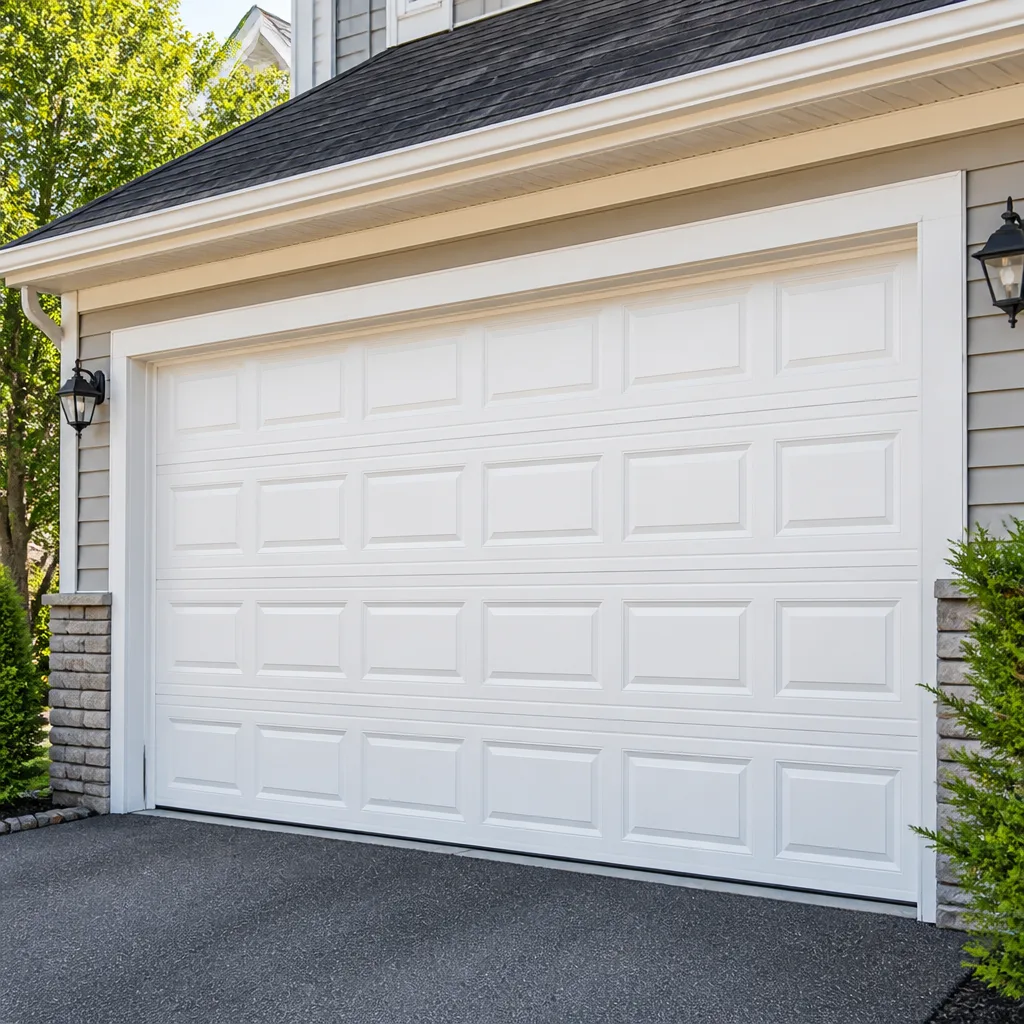 Raised-panel steel
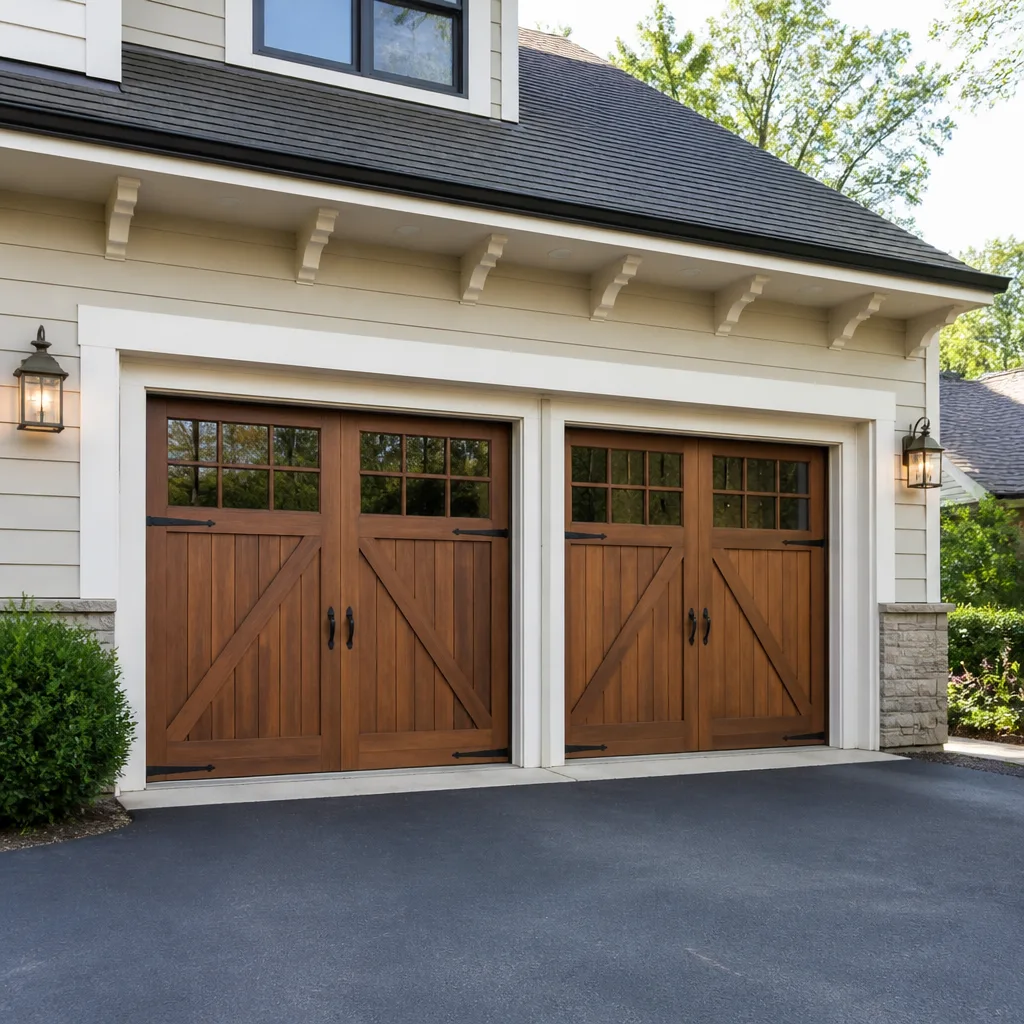 Carriage house
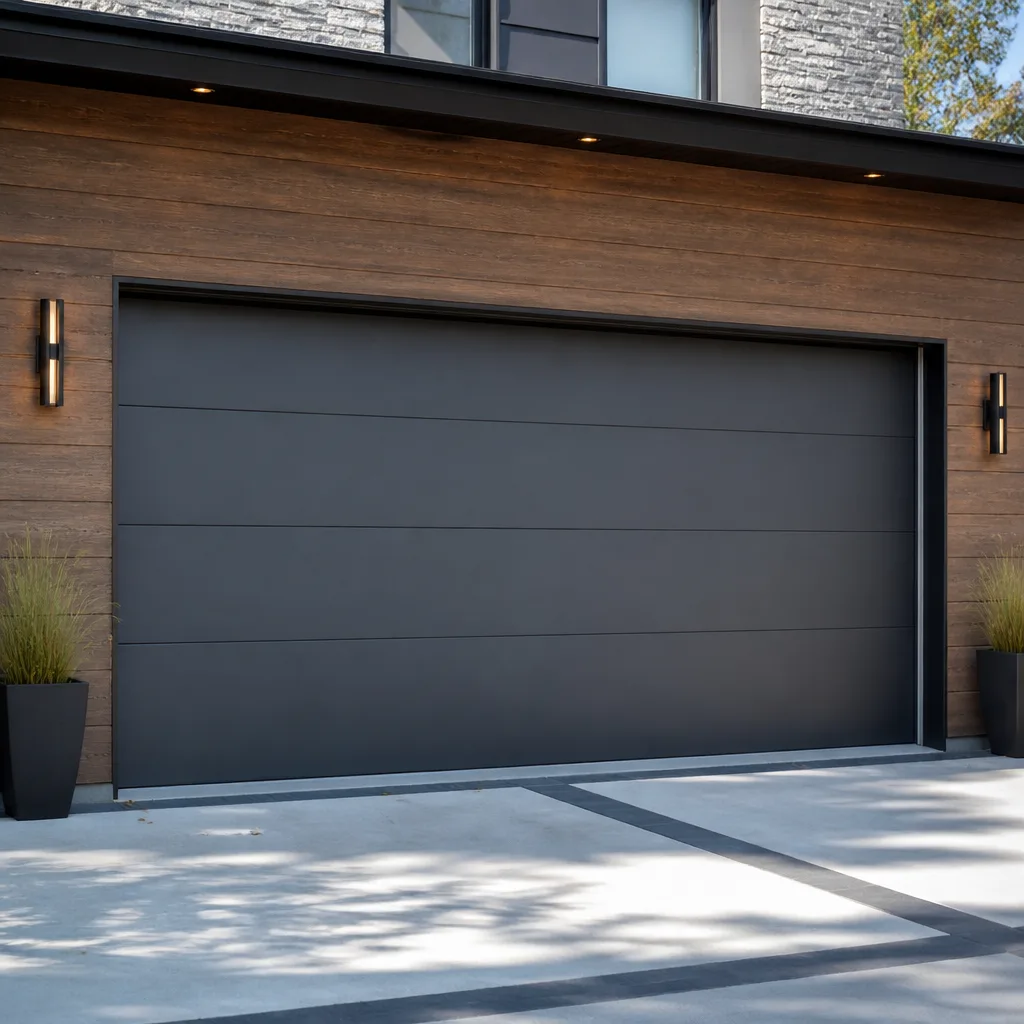 Modern flush
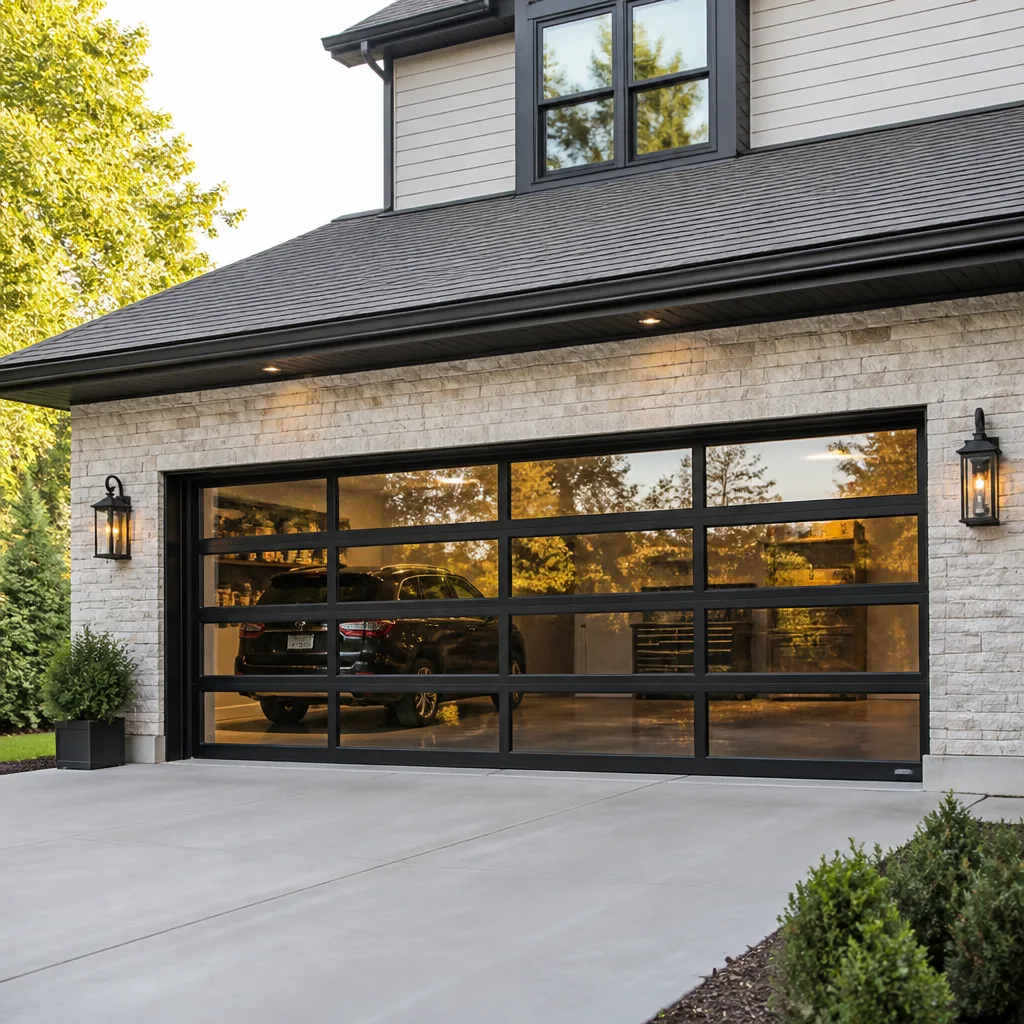 Full-view glass
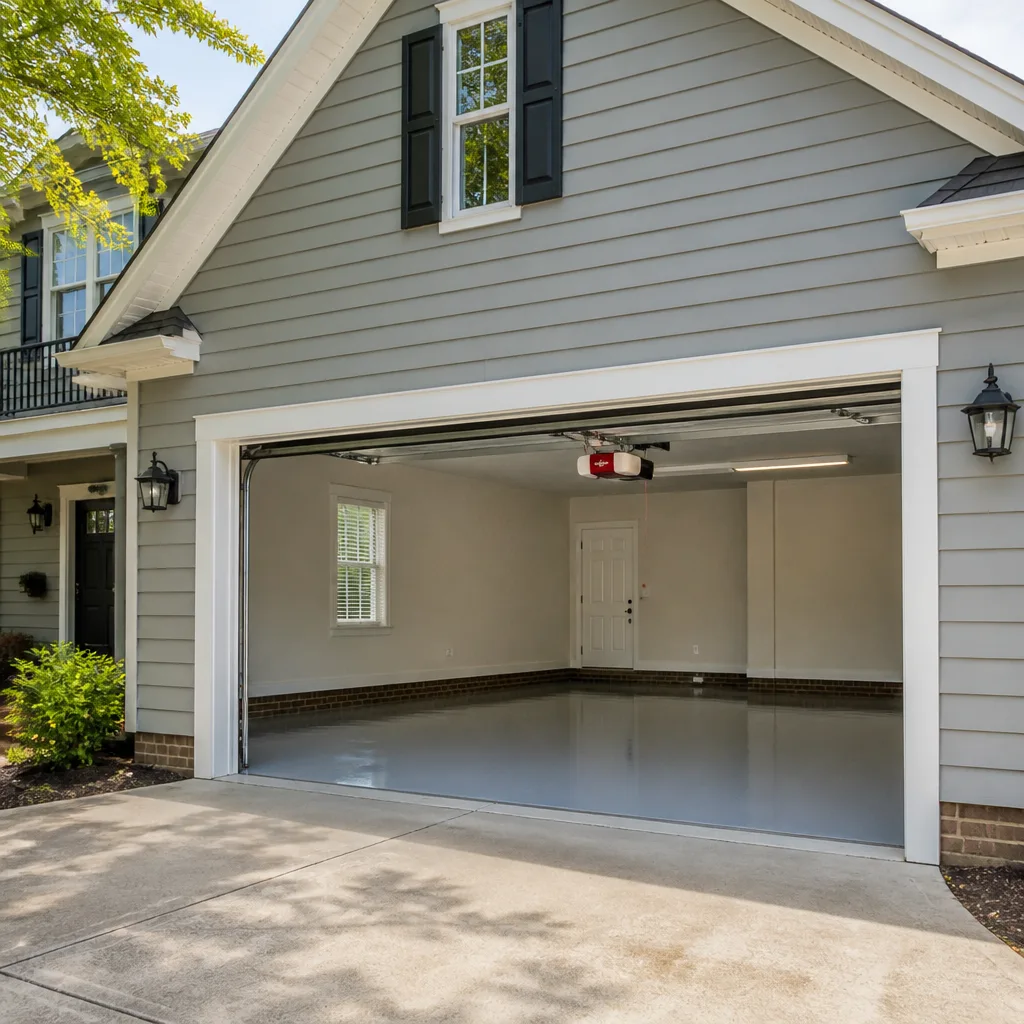 LiftMaster openers
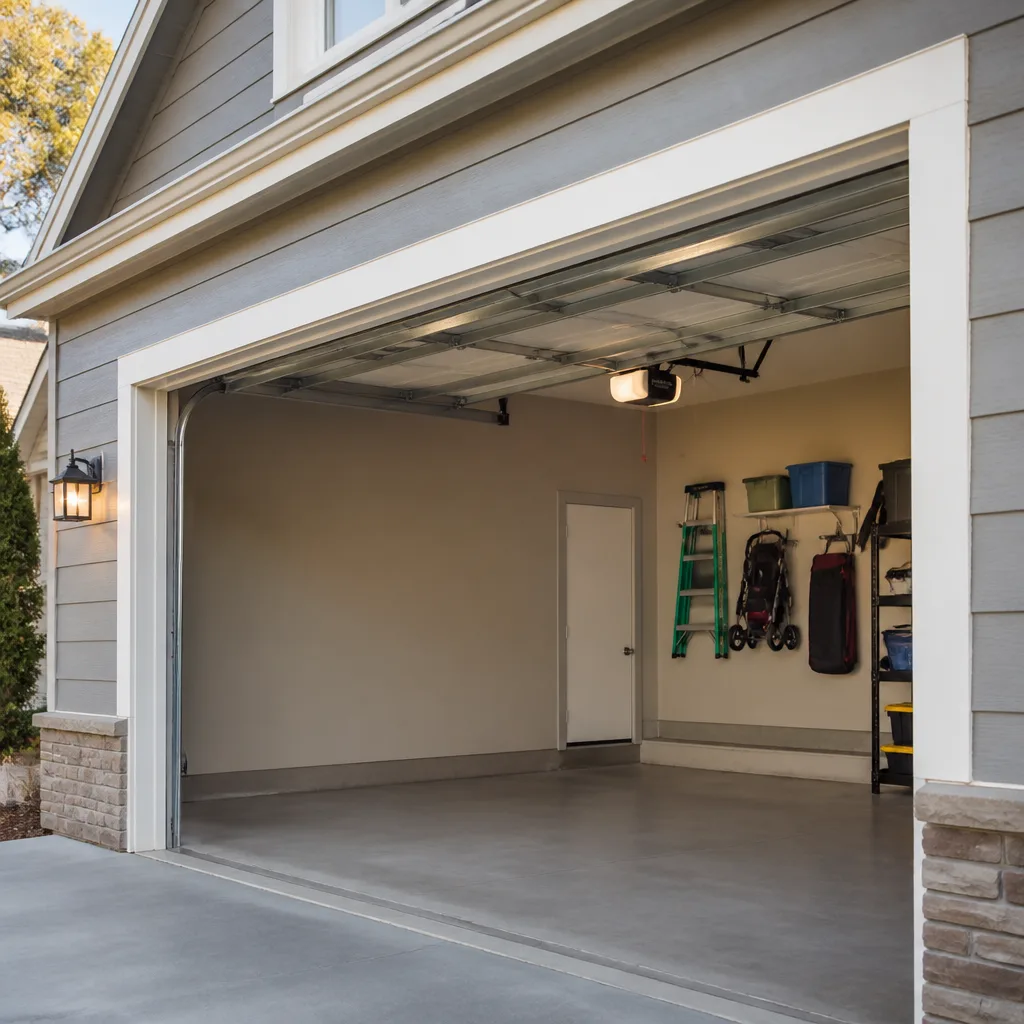 Chamberlain openers
Full 25-point door and opener safety check with every visit - springs, cables, rollers, tracks, and your LiftMaster or Chamberlain opener included
You get a price before we start. It does not change when the pro arrives.
Get your free estimateHow to Hire a Garage Door Contractor in Plantation: A Step-by-Step Guide
Most homeowners in Plantation pick a garage door company the same way they pick a pizza place: whoever answers first and quotes the lowest number. That works for dinner. It fails for a 400-pound door held up by a spring under enough tension to break bone. The crew that shows up after a named storm with a magnet sign, a cash-only price, and no paperwork isn’t a bargain – it’s a liability you can’t see yet. Florida requires a Specialty Contractor license for garage door work, and verifying one takes less than two minutes if you know where to look. That’s what this guide teaches. You’ll learn to check a license, read an insurance certificate, decode an estimate line by line, and tell a brand-agnostic specialist from a salesperson selling one product line. Here in Plantation, where salt-free inland air and mild winters mean most door failures are mechanical, not weather-driven, the right contractor is the one who diagnoses what you already own.
Quick Answer
Hiring a garage door contractor in Plantation comes down to four checks: verify the contractor holds a valid Florida Specialty Contractor license through the state DBPR database, collect current general liability and workers’ compensation certificates, insist on a written estimate that separates parts from labor, and get the parts-and-labor warranty in writing before work starts. Skip any of those four and you’re exposed to unlicensed work, uncovered injuries on your property, and invoices that grow after the job. Plantation Garage Door Repair Pros connects homeowners with vetted local professionals who work across LiftMaster, Chamberlain, and other major brands, and every job is quoted and agreed before the first bolt turns.
Styles & brands we work with
- Raised-panel steel
- Carriage house
- Modern flush
- Full-view glass
- LiftMaster openers
- Chamberlain openers
Table of Contents
- Why Hiring in Plantation Is Different After a Storm
- Step 1: Verify a Specialty Contractor License in Under Two Minutes
- Step 2: Request the Right Insurance Certificates
- Step 3: Read the Estimate Line by Line
- Step 4: Ask Questions That Reveal Brand Bias
- Step 5: Understand What a Real Warranty Looks Like
- Post-Storm Red Flags Specific to Plantation
- Springs, Cables, and Openers: What Not to Touch
Why Hiring in Plantation Is Different After a Storm
Plantation sits well inland in Broward County, which shapes how garage doors fail here. Winters are mild, the air isn’t salty, and there’s no frost to contend with. What that means practically is that doors here rarely fail because of weather cycles. They fail from worn torsion springs, stretched cables, roller fatigue, and openers that have run past their service life. So when a door breaks, the cause is almost always mechanical – and the person diagnosing it needs to understand hardware, not just how to bolt a new panel on.
After a named storm passes through Broward County, though, the problem shifts. Storm debris, wind-driven impact, and power surges that fry opener logic boards create a surge of genuine repair needs all at once. Out-of-town crews follow. Some carry valid licenses. Many don’t. The tell is simple: a legitimate Specialty Contractor can produce a license number you can verify in the state database before they touch the door. A crew offering a cash deal on the spot usually can’t.
Plantation’s mix of older single-family homes and newer construction adds another wrinkle. A door installed twenty years ago may have a discontinued opener, which means the contractor needs to know how to repair or retrofit it rather than insisting a full replacement is the only path. That’s the difference between a specialist and a replacement salesperson.
A useful rule: if a contractor’s first recommendation is always a new door regardless of what’s broken, ask what they’d repair if you pushed back. The answer tells you whether they diagnose or just sell.
Step 1: Verify a Specialty Contractor License in Under Two Minutes
Florida’s Department of Business and Professional Regulation (DBPR) maintains a public license database, and checking it is the single most valuable two minutes you’ll spend. Garage door installation and repair falls under the Specialty Contractor license category in Florida. That license is the baseline – it means the holder met the state’s competency and insurance requirements to legally perform this work. Unlicensed work leaves you holding the liability if something goes wrong.
Here’s the exact process:
- Ask the contractor for their license number and the exact business name registered with the state. Both, not just the number.
- Open the DBPR license lookup on your phone while the contractor is still in front of you.
- Search by license number or business name.
- Confirm the license status reads “Current” or “Active” – not “Expired,” “Suspended,” or “Null and Void.”
- Confirm the name on the license matches the name on the estimate and the business card.
That fifth step catches a real trick: a crew borrowing another company’s license number. If the number is valid but the name doesn’t match the paperwork in your hand, walk away. In Plantation, where contractors travel in from across Broward County, name-matching matters more than you’d think.
Some contractors hold a Certified license (statewide) and others hold a Registered license (local jurisdiction). Both are legitimate, but a Certified Specialty Contractor has demonstrated competency to the state directly. Ask which one they hold and confirm it in the database. If the answer is fuzzy, that’s your answer.
This check applies to openers too. If you’re having garage door opener repair done, the license covers the electrical work and the mechanical work. Confirm it before either begins.
Step 2: Request the Right Insurance Certificates
Two insurance policies protect you, and they protect you in completely different ways. General liability covers damage to your property – a door panel that falls and cracks your driveway, a wall that gets hit during installation. Workers’ compensation covers injuries to the contractor’s employees while they’re on your property. If a worker is injured on your property and the contractor has no workers’ comp, in some scenarios you can be exposed to a claim. That’s not a hypothetical to ignore.
Request both certificates of insurance directly. Here’s what to look for:
- General liability certificate – current, with an expiration date that hasn’t passed and the business name matching the license.
- Workers’ compensation certificate – current, covering the workers who will actually be on your property.
- Your address listed as the job site – a certificate issued for a different address isn’t proof of coverage for your job.
- Direct call to the insurer – certificates can be forged. A 60-second call to the insurance company’s listed number confirms the policy is real and active.
What coverage minimums actually protect a homeowner is a moving target because it depends on the job. A simple spring replacement is a lower-exposure job than a full door replacement with structural work. The point isn’t to memorize a dollar figure – it’s to confirm the coverage exists, is current, and names your property. If a contractor hesitates to produce certificates, that hesitation is the information you needed.
Ask specifically: “Can you send me the certificate of insurance and your workers’ comp certificate before the job?” A professional answers yes without friction. The local pro is licensed and insured as their state requires, and the paperwork should reflect that.
Step 3: Read the Estimate Line by Line
A garage door estimate is either a diagnostic document or a sales pitch. The difference is whether it breaks out parts and labor. Many estimates say “labor included” next to a single lump sum. That phrase hides two things: which parts are new vs. reused, and how much of the price is labor. When the price feels high at the end, you can’t tell if the parts mark-up or the labor rate drove it.
Here’s what a well-structured estimate contains, line by line:
- Parts listed by name and quantity. “Two torsion springs” not “spring system.” “One LiftMaster logic board” not “opener parts.”
- Labor charged separately. A clear labor line tells you the contractor isn’t hiding overhead in the parts price.
- Diagnostic or service call charge if applicable. Ask upfront whether the diagnostic fee is applied to the repair if you proceed.
- Disposal or haul-away charges. Old doors and panels don’t disappear for free.
- Warranty terms spelled out. On the estimate, not just in conversation.
One item deserves special attention: the spring line. Springs are matched pairs in most residential systems. If the estimate lists one spring and the technician said the pair is worn, ask explicitly whether both are included. A matched pair is usually replaced together, and a pair costs roughly twice a single spring – that’s a legitimate line-item difference, not a scam, but it should be visible on paper.
For context on what range a written estimate typically falls in for garage door repair in this market, ask for the range before they arrive and compare it to the written estimate when it lands. The written estimate sets the final price, and the price is quoted and agreed before any work starts.
Step 4: Ask Questions That Reveal Brand Bias
Not every garage door specialist works across brands. Some are tied to a single product line and will steer every diagnosis toward it. That’s the upselling risk you’re trying to avoid, and it’s learnable with three questions.
Question one: “Which brands do you service?” A brand-agnostic contractor answers with a real list – Craftsman, Raynor, LiftMaster, Chamberlain, and others – because they’ve worked on all of them. A single-line contractor names one brand and says the others are “hard to source parts for.”
Question two: “If my opener can be repaired, will you tell me that, or will you push a replacement?” The answer should distinguish between a worn component (replaced) and a dead logic board (sometimes repaired, sometimes not). Contractors who repair what’s already installed will explain the difference. Contractors who only replace will dodge the question.
Question three: “Does this recommendation depend on what you stock?” Blunt, but revealing. A specialist who isn’t tied to inventory recommends based on your existing system – what fits the door, what pairs with your opener, what works with your smart-home setup. Whether it’s a LiftMaster opener or a Chamberlain unit with MyQ, the right answer is dictated by what you own, not what’s on the truck.
That third question matters most for openers. LiftMaster and Chamberlain MyQ, and Genie’s smart-home compatibility, don’t always play nicely with every hub or app. A contractor who understands the ecosystem can tell you what will connect and what won’t. A contractor selling one line will tell you it just works. Ask follow-ups about your specific hub – the answer separates the two.
Step 5: Understand What a Real Warranty Looks Like
A verbal warranty is a promise that evaporates the moment the invoice clears. A written warranty is a document that survives. The distinction matters most on springs, openers, and panel installations – the three places where premature failures are most likely to be blamed on the installer.
A legitimate written warranty includes:
- What’s covered – parts, labor, or both, itemized by component.
- What’s excluded – normal wear, misuse, weather impact, modifications by others.
- The duration of each – a 30-day labor term and a one-year part term are different numbers that should both appear.
- How to make a claim – phone number, timeframe, whether the return visit carries a charge.
- Who honors it – the contracting business, not a manufacturer alone.
The most common gap is a warranty that covers parts but not labor. A failed spring under a parts-only warranty leaves you paying the labor again, which can cost as much as the part. Ask explicitly: “If this part fails in six months, do I pay anything for the return visit?” The answer should be on the estimate.
A new installation also carries a manufacturer warranty on the door and panels – Amarr and Clopay, for example, publish their own terms. Your contractor’s warranty is separate from that manufacturer warranty. Both should be in writing for a garage door installation, because installation is where a warranty claim most often turns into finger-pointing.
Post-Storm Red Flags Specific to Plantation
After a named storm rolls through Broward County, the phone book fills with numbers you’ve never seen. Some are legitimate out-of-area licensed crews doing storm work. Some are not. The red flags below are specific and checkable, not vague warnings.
- Cash-only, no receipt, no address. A legitimate Specialty Contractor will accept a check or card and put a business address on paper. Cash-only with no paper trail is the single clearest warning sign.
- License number “on the truck.” If they can’t give you a number on the spot, they’re hoping you won’t check. A real contractor has it memorized or pulls it up.
- Quote given before looking at the door. A garage door diagnosis requires seeing the springs, cables, tracks, and opener. A number quoted from the driveway without inspection is a guess.
- Pressure to sign today for a discount. Urgency creates fog. A real specialist is comfortable with you sleeping on it – the door will still be there tomorrow.
- No written estimate, only a number spoken aloud. If it isn’t on paper, it doesn’t exist. The written estimate sets the final price.
- Refusal to provide insurance certificates. A contractor with valid coverage offers the certificate before you ask.
- “We’ll need to replace the whole system.” Usually untrue. Most failures are one worn component. The specialist diagnoses; the replacement seller sells.
A practical tactic: save the license number and insurance certificate request in a note on your phone before storm season. You’ll move fast and check thoroughly at the same time. The crews that fail the check will weed themselves out.
Springs, Cables, and Openers: What Not to Touch
Torsion springs and the cables tensioned alongside them store the energy that lifts a door weighing hundreds of pounds. Releasing that tension incorrectly can strike a person or a wall with lethal force. We say this plainly because the DIY spring videos online leave out the most important step: don’t. A spring repair is not a homeowner task, and it’s not a general handyman task either. It’s a trained-professional task. If you hear a loud bang from the garage and the door won’t lift, the spring is almost certainly broken – stop touching the door and call.
The same logic applies to opener repair. An opener that won’t close may have a misaligned safety sensor, a stripped gear, or a failed logic board. Some of that is mechanical work; some of it involves live electrical components. A contractor with the right license and training can work both sides of that line. A general handyman cannot.
Where a garage door opener is concerned, the safety of everyone in the house is tied to the reversing mechanism and the sensor alignment. Do not bypass a sensor to force the door closed. Do not disable the reversing feature. If an opener has failed in a way that removes those safeguards, treat it as an emergency that needs a trained professional, not a workaround.
For emergency garage door service, the value is speed plus diagnosis – getting the door secure without a guess-based repair that fails again next week. That covers both garage door opener repair and the door hardware itself. One specialist should handle both, because the two systems interact and blame gets shifted when two contractors touch the same failure.
Across the Plantation Garage Door Repair Pros service range, the recurring pattern is the same: an expensive replacement recommended when a repair was the honest answer. Springs, openers, panels – handled by specialists, not generalists, means the diagnosis comes before the recommendation.
Common Mistakes to Avoid
- Hiring on price alone. The lowest quote is often the one with hidden labor, no insurance, or a verbal warranty. Value is a written estimate you can read and a license you can verify.
- Skipping the DBPR check because the contractor “seemed professional.” Anyone can be professional for an hour. The database is the only proof that survives the conversation.
- Accepting a single lump-sum estimate. A price with no parts-labor breakdown can’t be compared to anything, and you can’t spot a hidden charge. Every cost line should be visible.
- Letting a contractor recommend a full replacement before they’ve diagnosed. In Plantation’s inland climate, most failures are one worn component, not the whole system. Ask what they’d repair and why.
- Believing the price is what it is “once they see it.” A written quote is the price before work starts. If the number moves after the job begins without your written approval, that’s not a quote.
- Assuming the manufacturer warranty covers installation labor. It usually doesn’t. Your contractor’s labor warranty is a separate document and needs to be requested.
- Hiring a general handyman to save a few dollars. Door hardware and opener work are specialized, and the license requirement exists for a reason. A generalist can cost more than they save.
See the difference
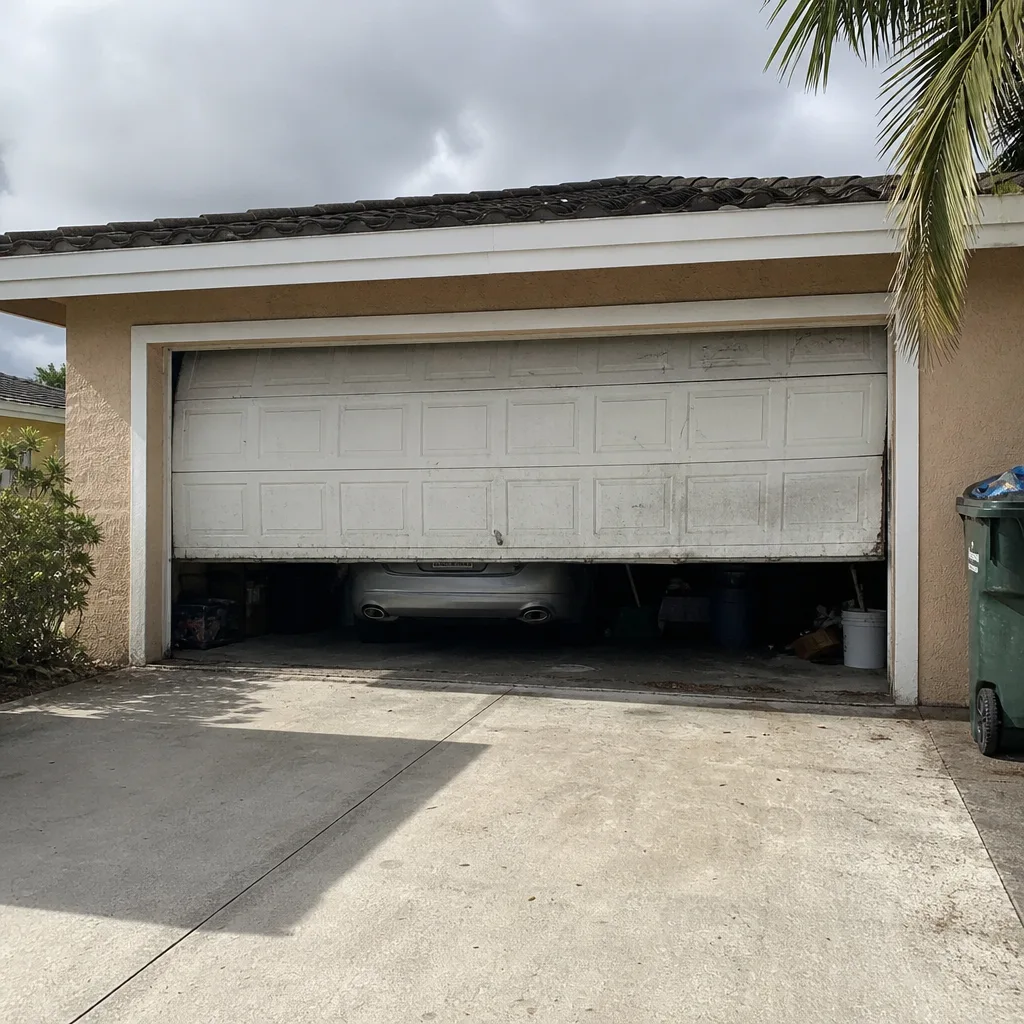 Before
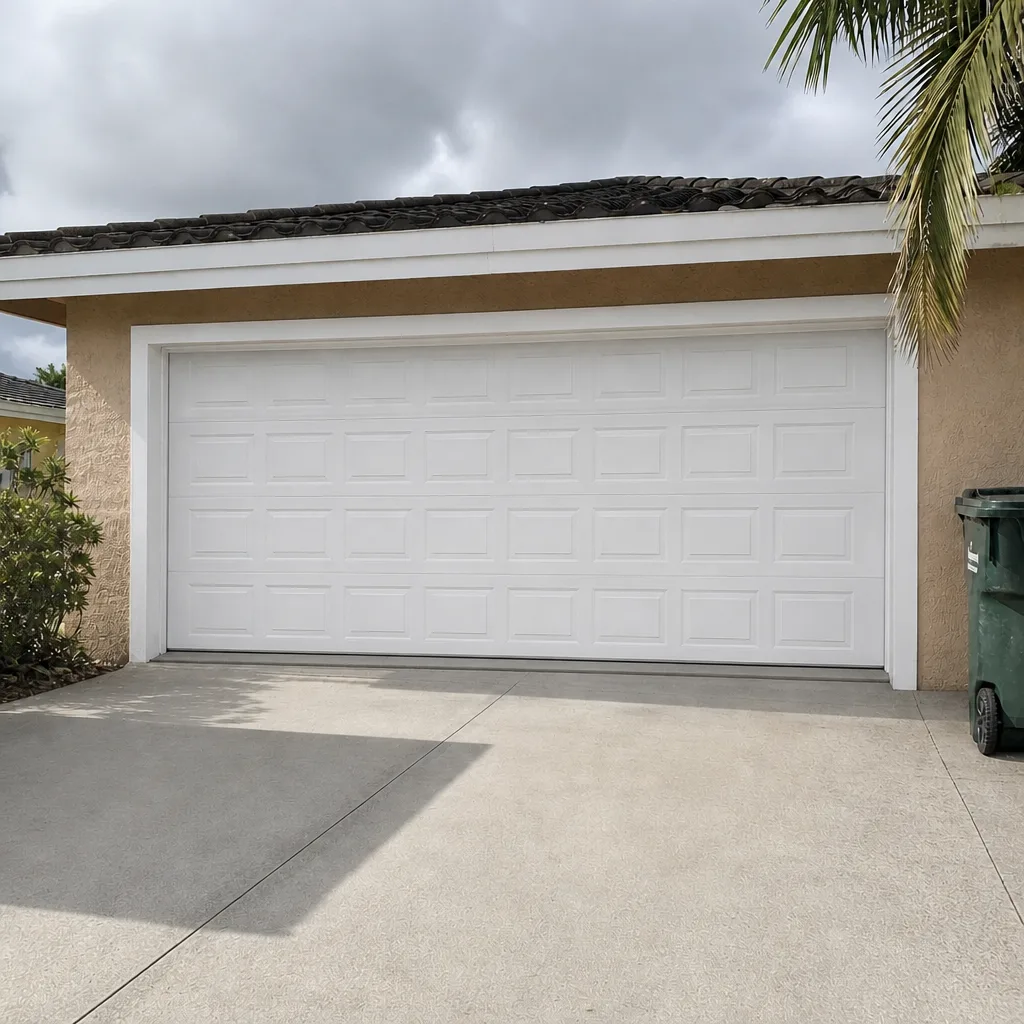 After
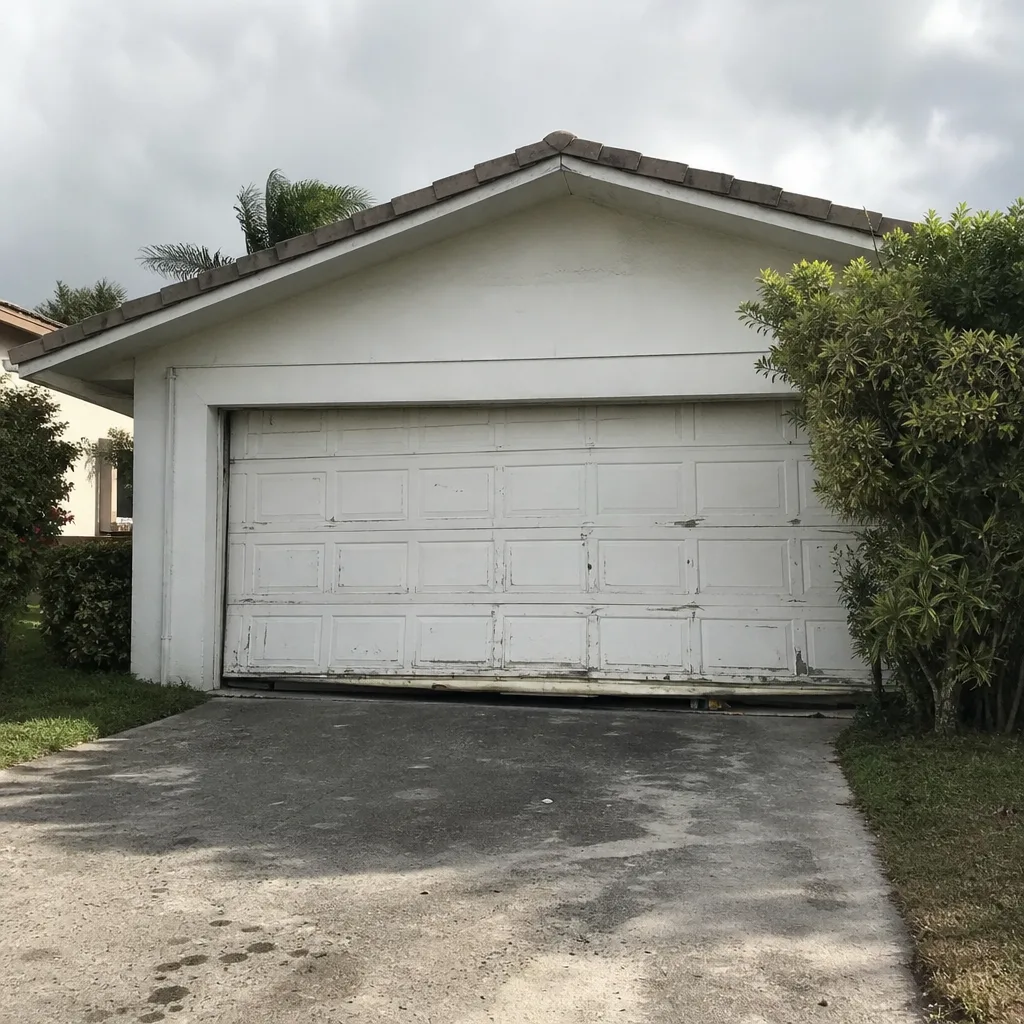 Before
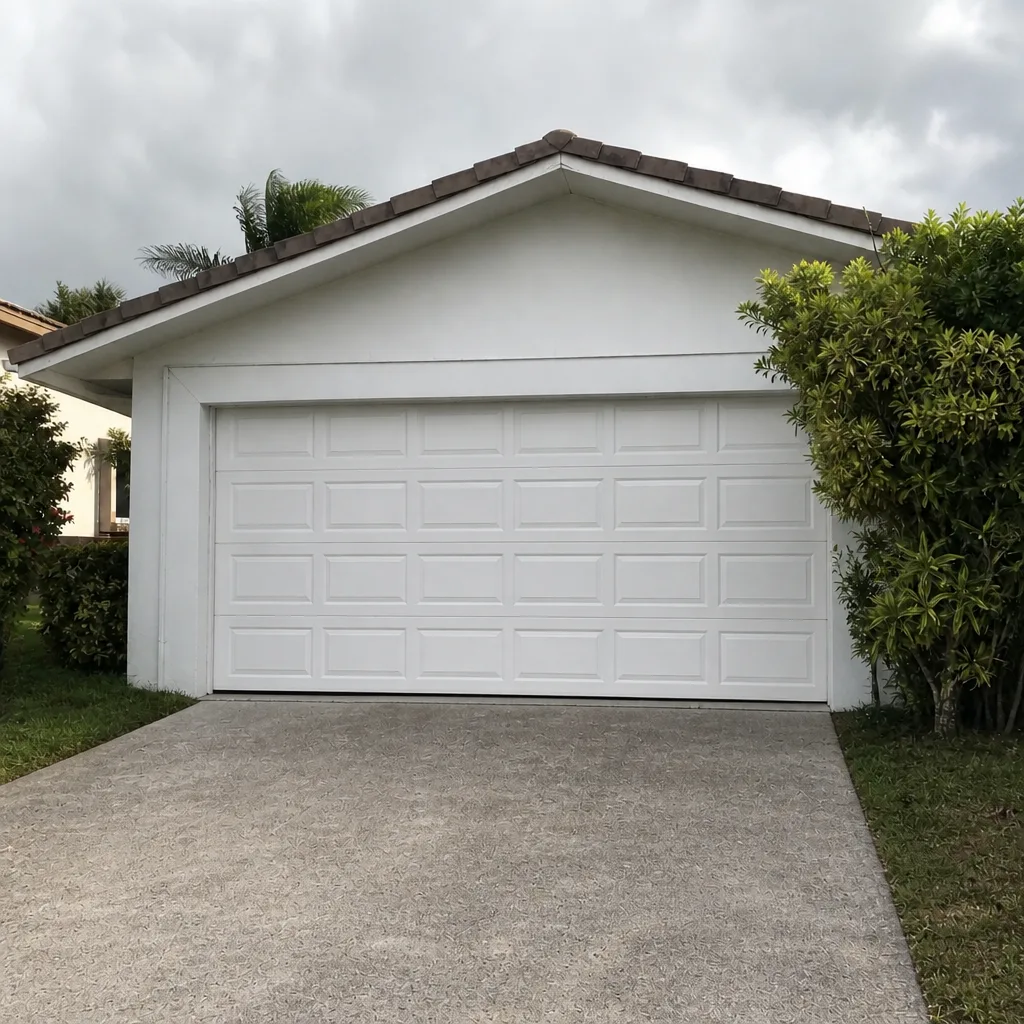 After
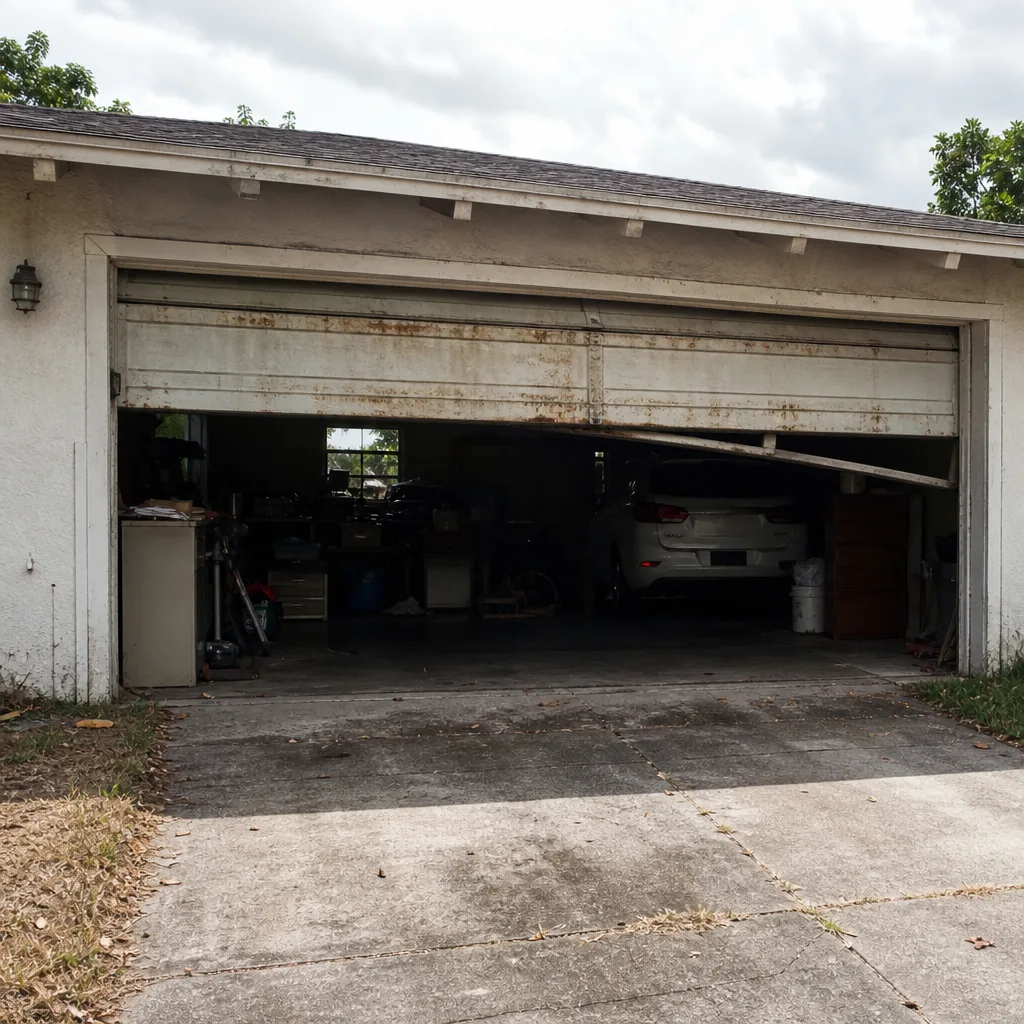 Before
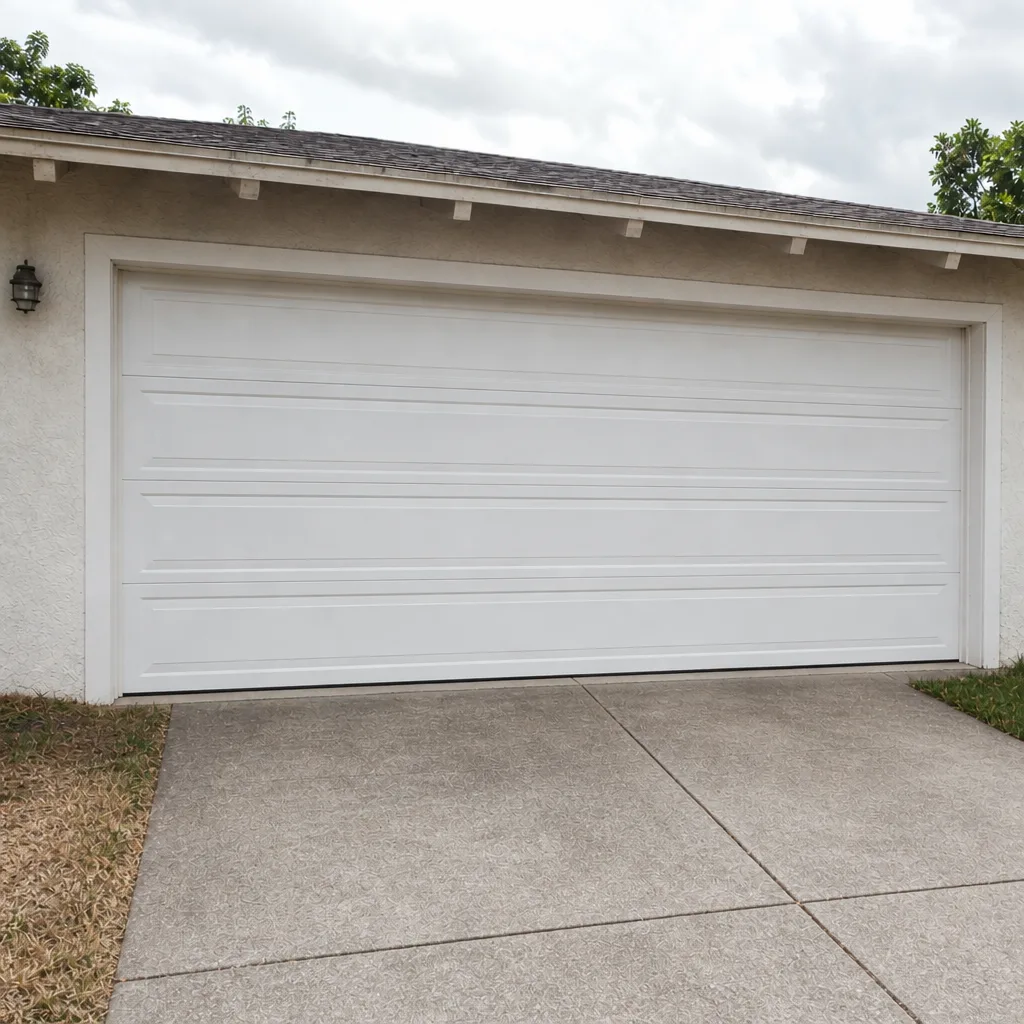 After
When to Call a Professional
Some garage door problems are cosmetic; most are mechanical. Call a professional when the door won’t open or close, when you hear a bang from the garage followed by a door that won’t lift, when the opener runs but the door doesn’t move, when either cable looks slack or frayed, when the door comes off a track or hangs unevenly, or when the safety reverse feature stops working. These aren’t cosmetic issues. They’re failures that can get worse or dangerous. Springs, cables, openers, and panel alignment all sit in that category. Do not attempt a repair you’re not trained for – especially on springs and cables, which store enough force to cause serious injury.
Plantation Garage Door Repair Pros offers free estimates in Plantation – call (866) 937-8852. We connect you with vetted local professionals who work on LiftMaster, Chamberlain, and the other major brands rather than pushing a single line, and the price is quoted and agreed before any work starts.
Frequently Asked Questions
Ask for the license number and registered business name, then look both up in the Florida DBPR license database before the contractor starts work. Confirm the status is current and the name matches the estimate and business card. If either doesn’t match, or the number can’t be produced, don’t hire them. Call (866) 937-8852 for an exact quote – estimates are free.
A legitimate garage door contractor should carry both general liability insurance and workers’ compensation insurance, with current certificates that list your property as the job site. General liability covers property damage; workers’ comp covers injuries to the crew on your property. Request the certificates in advance and call the insurer to confirm they’re active. Call (866) 937-8852 for an exact quote – estimates are free.
A parts-and-labor breakdown lets you see whether the price is driven by materials or labor, and it exposes hidden charges. An estimate that says “labor included” next to a lump sum hides which parts are new, how much labor is priced at, and whether disposal is extra. A written estimate with line items is the one you can compare and question. Call (866) 937-8852 for an exact quote – estimates are free.
Ask which brands they service and whether their recommendation depends on what they stock. A brand-agnostic specialist will name a real range – Craftsman, Raynor, LiftMaster, Chamberlain, and others – and recommend based on what you own. A single-line seller names one brand and steers every diagnosis toward it. The follow-up question about your smart-home setup reveals the difference. Call (866) 937-8852 for an exact quote – estimates are free.
A real warranty states what’s covered (parts, labor, or both), what’s excluded, how long each term lasts, who honors it, and how to make a claim. A verbal warranty isn’t a warranty because nothing enforces it after the invoice clears. Ask specifically whether a return visit for a failed part carries a labor charge, and get the answer on the written estimate. Call (866) 937-8852 for an exact quote – estimates are free.
No. Torsion springs and the cables alongside them store enough energy to cause serious injury if released incorrectly, and the tension must be managed with proper tools and procedure. A trained professional is the only safe route. If you hear a loud bang and the door won’t lift, stop touching it and call (866) 937-8852 for an exact quote – estimates are free.
The Bottom Line
Hiring a garage door contractor in Plantation isn’t about finding the lowest number. It’s about four checks that take less than ten minutes combined: verify the specialty contractor license in the state DBPR database, collect both insurance certificates, read the estimate for parts-and-labor separation, and get the warranty in writing. Add the brand-bias questions and you’ve screened for the two failure modes that cost homeowners most – unlicensed work and unnecessary replacement. Plantation Garage Door Repair Pros works across LiftMaster, Chamberlain, and the other major brands, which means the recommendation follows your system rather than a product line. Every job is quoted and agreed before work starts, and the written estimate is the price. Call (866) 937-8852 for a free estimate – if the door breaks, we’ll tell you what’s actually wrong before we quote a fix.
Written by the team at Plantation Garage Door Repair Pros.